Adventist Health Simi Valley is Home to One of the Nation’s Most Advanced Robotic Surgery Programs
 Daniel Jordan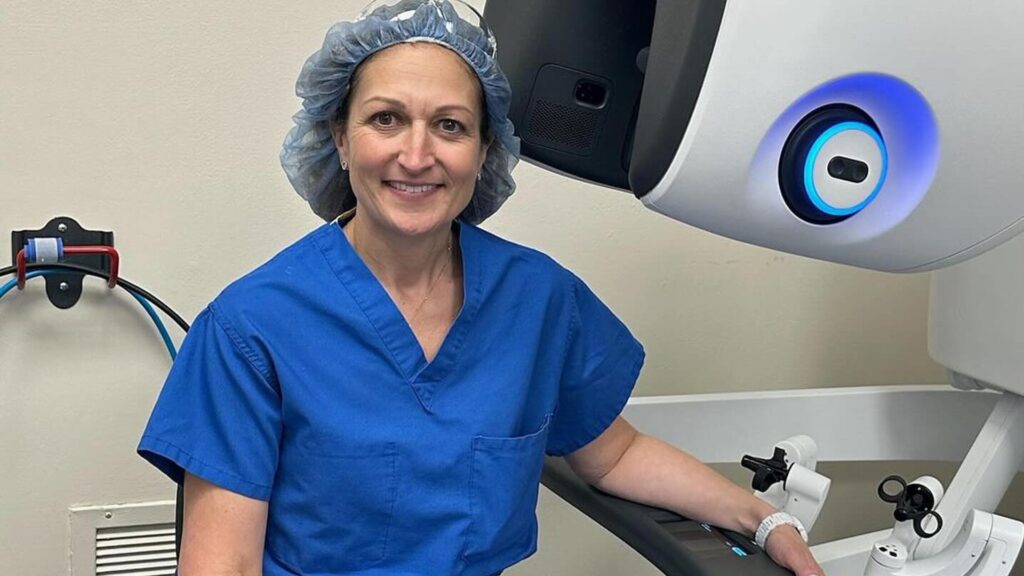
A Look Inside Adventist Health’s Robot-Assisted Surgery Program and the Woman Leading the Charge
(CLAIR | Simi Valley, CA) — If you’ve ever had surgery—or supported someone who has—you know it’s not just the operation itself that’s hard. It’s the recovery. The weeks of discomfort. The pain medications. The worry about how long it’ll take to feel normal again.
Simi Valley may be the starting point, but the benefits are reaching patients across the Greater Los Angeles area and throughout the country.
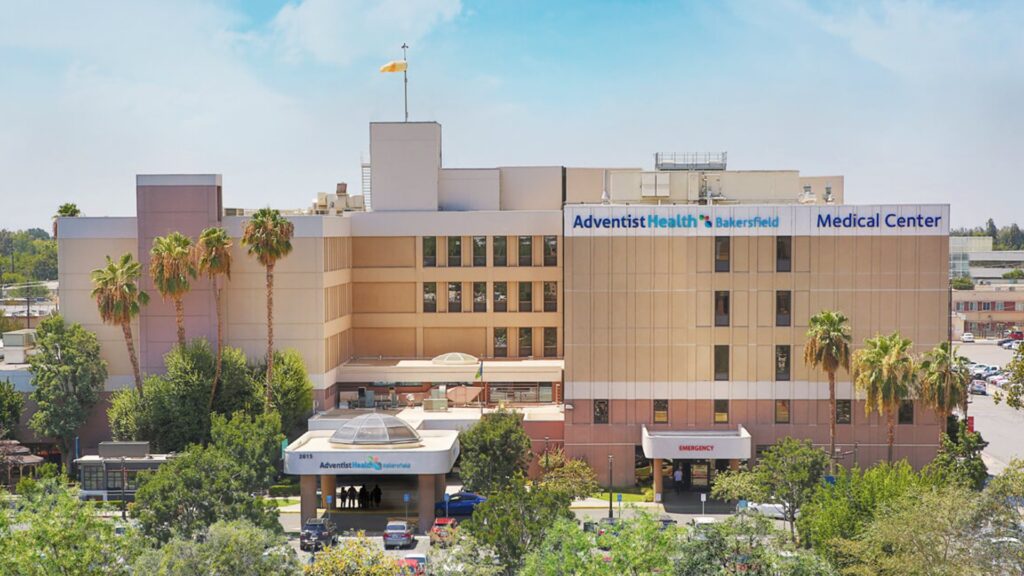
Thanks to a growing robotic surgery program at Adventist Health Simi Valley, patients are now having operations through incisions so small they often leave the hospital the same day. They’re going home with less pain, fewer medications, and in many cases, a quicker return to normal life.
At the center of it all is Dr. Andrea Pakula—a highly respected surgeon who’s not only performing these advanced procedures, but also training surgeons from around the world to do the same.
Dr. Pakula: A Surgeon Who Trains the Trainers
You might expect a big-city hospital to have the kind of talent that trains other surgeons. But right here in Simi Valley, Dr. Andrea Pakula is doing just that.
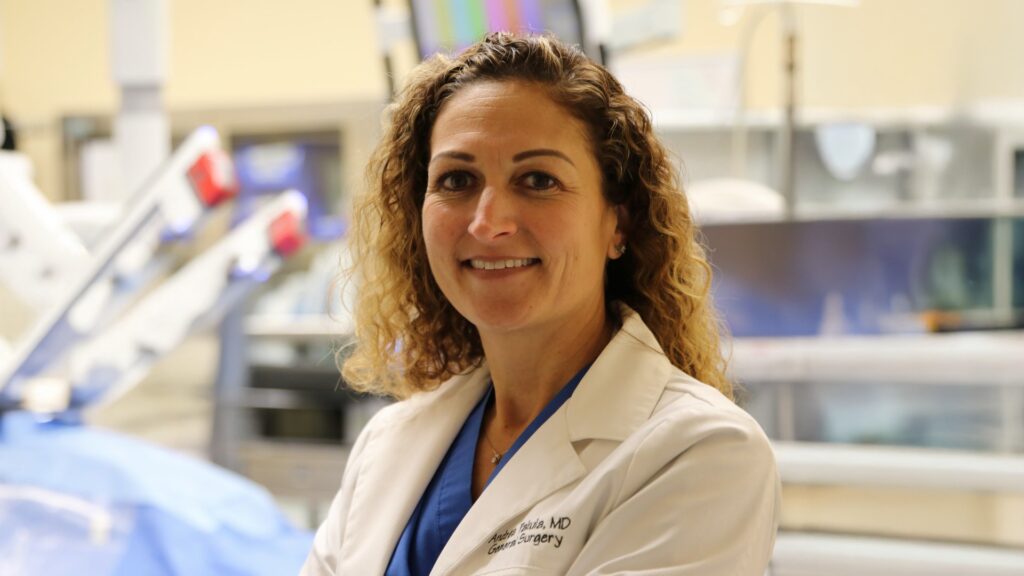
Dr. Andrea Pakula is a national leader in robotic surgery, with deep expertise in hernia repair, bariatric procedures, and emergency surgical care. She’s also one of a select few surgeons in the country certified to train others on the da Vinci Surgical System—the most advanced robotic platform available today.
She was also among the first surgeons in the U.S. to operate using the next-generation da Vinci 5 system, a cutting-edge tool launched at just 10 hospitals nationwide. Adventist Health Simi Valley was one of those chosen sites, with Dr. Pakula leading the effort as Medical Director of Robotic Surgery.
“My goal is always to help people feel safe, informed, and supported,” she says. “If a minimally invasive approach is the best option for a patient, we’ll take it.”
That mindset isn’t just something she says—it’s the foundation of how her entire team operates.
How Robotic Surgery Actually Works
Let’s clear up one of the biggest misconceptions: robots aren’t doing the surgery.
Robotic-assisted surgery simply means the surgeon is using robotic tools—controlled from a console nearby—that allow them to make smaller, more precise movements than they could with their hands alone.
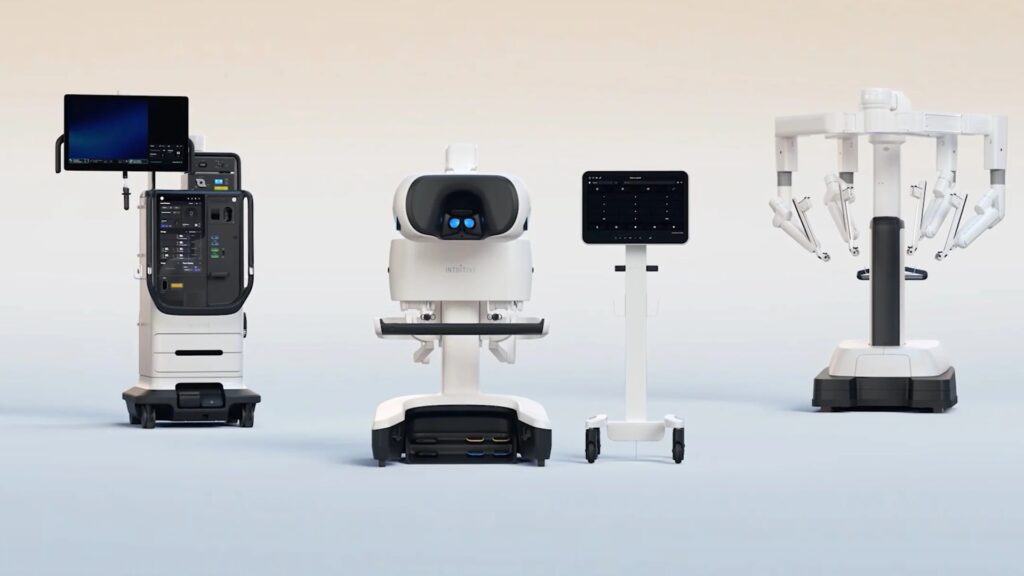
These instruments are especially helpful when working in tight spaces, like the abdomen or pelvis, and they let surgeons reach areas that might otherwise require large incisions.
The result? Less trauma to the body, less bleeding, less scarring—and much faster healing.
Less Pain, Fewer Pills, Faster Recovery
Here’s what surprises many people the most: patients who have robotic surgery with Dr. Pakula often don’t need prescription painkillers after their procedure.
Instead of being sent home with opioids, many go home with just ibuprofen. That’s a huge shift—and one that matters not only for comfort, but also for safety.
“When we reduce the size of the incisions and the trauma to surrounding tissue, people just recover faster,” Dr. Pakula explains. “They feel better sooner and need less help managing pain.”
It’s not just about convenience. It’s about helping people get back to work, to family, to walking their dog, or simply sleeping through the night without discomfort.
Nationally Recognized for Doing Things Right
Adventist Health Simi Valley isn’t just doing robotic surgery—it’s doing it at a nationally recognized level.
The hospital has been named a Center of Excellence in Robotic Surgery by the Surgical Review Corporation—a distinction that only goes to hospitals that meet strict standards for safety, patient outcomes, and staff training.
What that means in plain language: you’re in good hands here.
It’s Not Just One Type of Surgery—It’s a Whole Range
People often assume robotic surgery is only used for complex or rare conditions. The truth is, it’s being used successfully for all kinds of everyday procedures, including:
- Gallbladder removal
- Hernia repair
- Weight loss (bariatric) surgery
- Prostate or gynecological conditions
- Hip and knee replacements
- Spine surgery
- Some types of cancer treatment
Adventist Health Simi Valley uses three different robotic systems: the da Vinci Surgical System, the Mako System for orthopedic procedures, and ExcelsiusGPS for spine surgery.
This wide range of tools gives surgeons flexibility to tailor procedures to each patient—and to choose the most minimally invasive option possible.
Real People, Real Results
This isn’t about flashy technology—it’s about helping people heal.
A woman with chronic gallbladder pain can have it removed through tiny incisions and go home the same day. A man facing prostate cancer might avoid the long recovery and complications that used to be unavoidable. A mom can get a hernia repaired and be back to picking up her kids within days.
The goal is simple: give people their lives back—with less pain and more dignity.
If You Need Surgery, Ask About Your Options
If your doctor has told you that surgery is likely, it’s worth asking: Can this be done robotically?
You might be surprised at the answer. The technology is more advanced—and more accessible—than most people realize. And it’s available right here in Simi Valley.
Dr. Pakula and the surgical team at Adventist Health are happy to walk patients through their options, explain the process clearly, and make sure every decision is based on what’s safest and most effective.
A High-Tech Hospital That Feels Like Home
For a long time, patients had to travel to Los Angeles or Santa Barbara to access this kind of care. But with this program, you can stay close to home and still get some of the most advanced surgery available anywhere.
That’s what makes this so special: it’s not just about cutting-edge tools. It’s about building something local that people can trust.