
Caught on Camera: WM Now Watching Your Trash—Here’s What They’re Looking For
 Daniel Jordan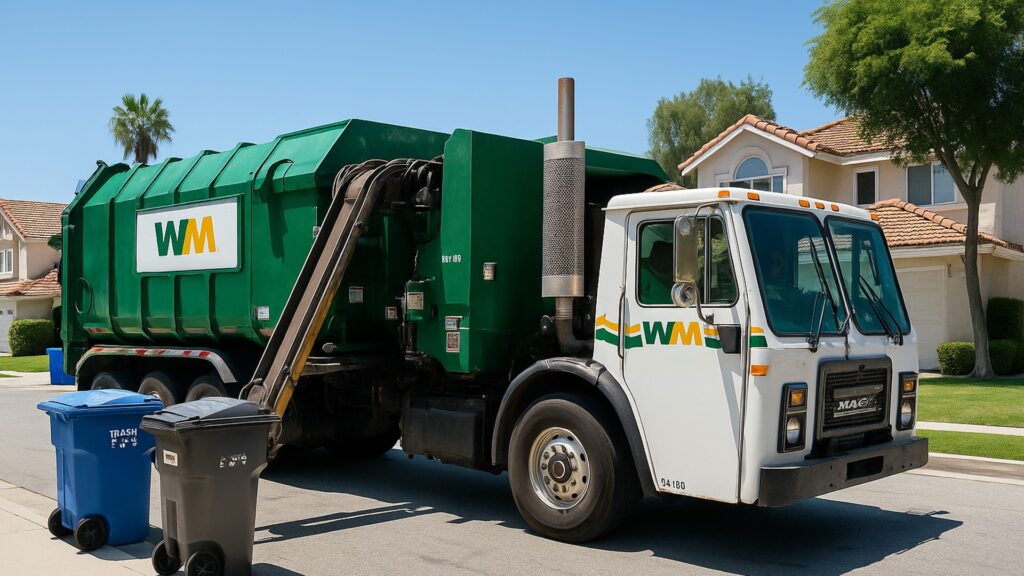
(CLAIR | Simi Valley, CA) — Simi Valley residents are now facing fines for putting the wrong items in their recycling and organic waste bins. Under California Senate Bill 1383, the state aims to reduce the amount of organic waste going to landfills by 75% by 2025. To meet these goals, cities like Simi Valley are stepping up enforcement.
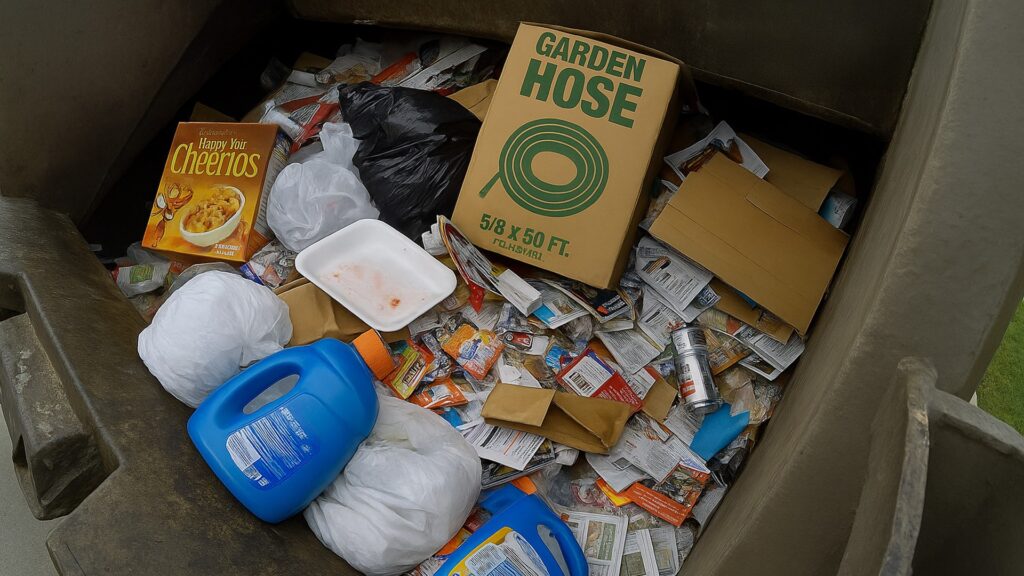
The city has authorized fines for “cart contamination”—placing non-recyclables in the blue recycling bin or trash in the green organics cart. The fines start at $50 for a first offense, increase to $100 for a second, and jump to $250 for each following violation [City of Simi Valley >>].
Waste Management, the city’s trash service provider, now uses trucks equipped with video cameras. These cameras record the contents of each bin as they’re emptied. Footage is reviewed to identify violations, and residents receive warnings or fines based on what’s found.
These fines aren’t just a local choice—they’re part of the city’s obligation under SB 1383. According to the city’s own staff report, Simi Valley passed Ordinance No. 1332 and Resolution No. 2021-52 to meet the state’s waste diversion goals. The ordinance requires the city to educate residents, monitor compliance, and impose penalties when necessary. Without enforcement, the city risks noncompliance with state law, which could trigger state audits or even financial penalties from CalRecycle.
Residents Speak Out
The changes sparked heated conversation in a popular Simi Valley Facebook group. Some residents voiced confusion over what goes where. Others criticized the fines as excessive, especially when they feel the rules aren’t clear.
“It’s OK to allow hundreds of dump trucks full of wildfire debris every day, but God forbid you put your avocado peels or cardboard in the trash can,” one user wrote. Another said, “It’s clear as mud. Get your [act] together, WM.”
Others joked about using neighbors’ bins to avoid detection or pointed out how easy it is to make mistakes when items are bagged and no one can see what’s inside.
But not all reactions were cynical. One resident brought up a more positive example from abroad. “In Norway,” she wrote, “they turned it into a lottery system. If you recycle well, you’re automatically entered to win cash awards.”
A Better Way?
That Norway program is real—and effective. Known as Pantelotteriet, the system ties recycling directly to rewards. People returning bottles and cans can donate their deposit to the Red Cross and get entered into a lottery. Prizes range from small payouts up to 1 million Norwegian kroner (about $95,000).
Since the program began in 2008, it has generated over 737 million kroner (about $70 million) for the Norwegian Red Cross. The effort is paired with one of the world’s most successful deposit return systems, which has a 92% return rate for beverage containers. It turns recycling into a win-win: good for the environment, and rewarding for the individual.
While it’s not a direct match for how curbside recycling works in California, it does highlight another way cities can motivate residents—through positive reinforcement instead of punishment.
What to Do Now
If you’re a Simi Valley resident, here’s how to avoid trouble:
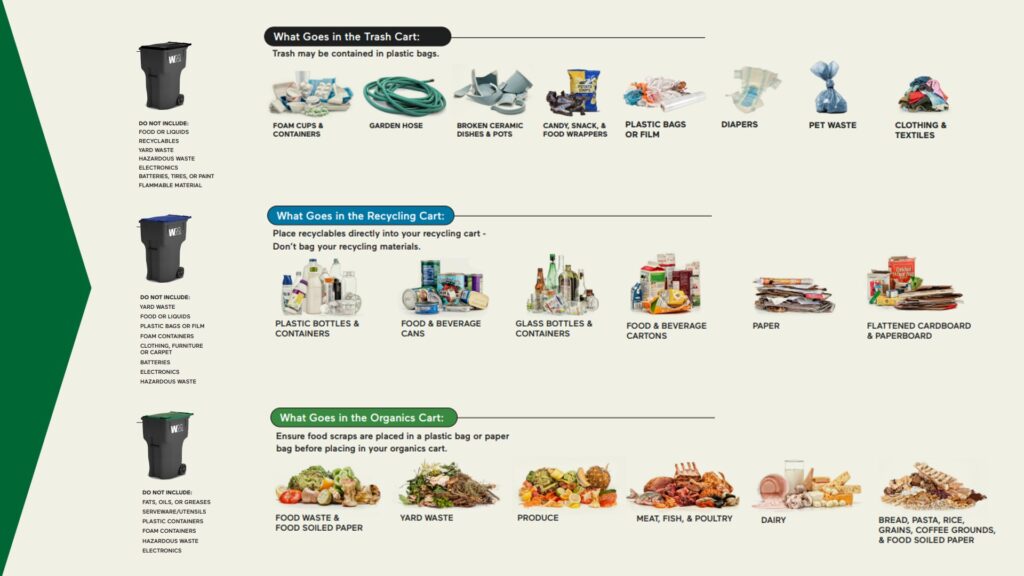
- Green Organics Bin: Food scraps (bagged), yard clippings, napkins, and food-soiled paper.
- Blue Recycling Bin: Clean bottles, cans, cardboard, and paper. No plastic bags or food.
- Black Trash Bin: Everything else—diapers, pet waste (bagged), broken ceramics, plastic film.
- Avoid bagging your recyclables, and don’t put plastic or packaging in your organics bin. If in doubt, check with Waste Management or the City of Simi Valley’s website.
The city is still offering grace periods and education in many cases. According to the staff report, the goal has been to prioritize outreach and reduce contamination before strict fines are issued. Residents typically get a notice of violation and time to correct mistakes before fines escalate.
Looking Ahead
The city’s goal isn’t just to issue fines. The hope is to change habits, reduce landfill use, and protect the environment. But if officials want more cooperation, they may need to take a cue from programs like Norway’s and offer residents a reason to care—beyond just avoiding a fine.