Why Simi Teens Are Ditching 4-Year Colleges for Vocational Training That Pays
 Daniel Jordan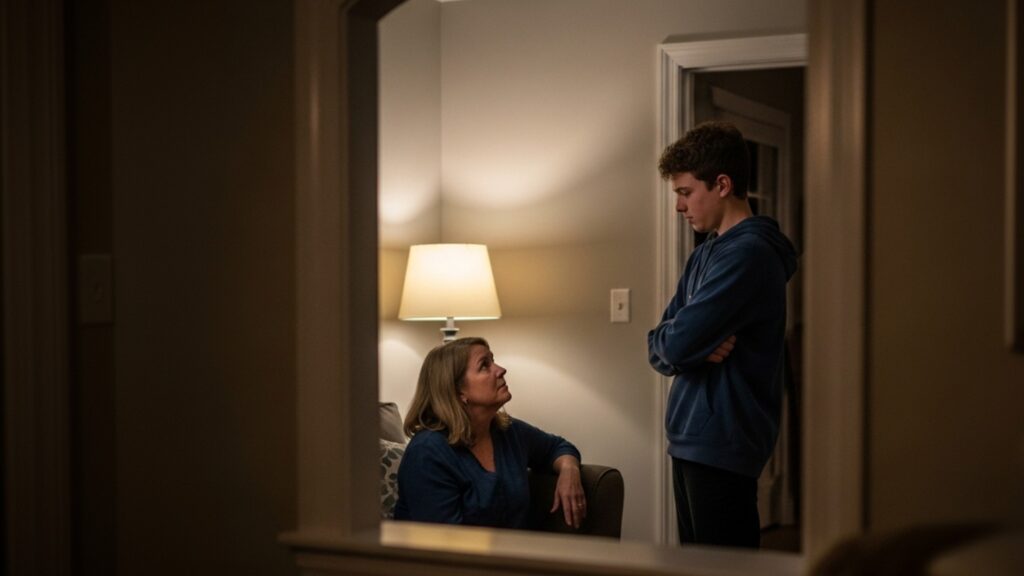
Lost in the College Shuffle: Why So Many Teens Feel Their Future Is Uncertain
(CLAIR | Simi Valley, CA) — For many high school seniors, the pressure to figure out the rest of their lives starts before graduation gowns are even ordered. Parents ask about applications. Teachers talk about deadlines. Friends post about early acceptances on social media. For those who aren’t sure, the weight can feel crushing.
On Reddit, one senior recently shared how their mother compared them to classmates who already had college offers. The student admitted they hadn’t applied anywhere yet, and in response their mom sent angry texts warning them they’d need to move out if they didn’t make a plan. Thousands of strangers chimed in with advice — some urging the student to get applications in immediately, others suggesting community college or trade schools, and still others pointing out that not everyone’s timeline looks the same.
This is not an isolated story. Across the country, teenagers are being asked to make life-shaping choices at 17 or 18, often with limited guidance. For some, college is the obvious path. For others, the high costs and uncertain returns make the choice far less clear.
The numbers tell the story. Tuition has risen sharply while wages for young workers have stayed flat. Even students who do everything right can graduate with tens of thousands in debt, and not every degree guarantees a stable career. At the same time, vocational training and community colleges remain underappreciated despite offering direct paths to steady work.
What makes this moment so hard is the mix of financial reality and emotional strain. A parent’s push for their child to succeed can feel like love, but it can also come across as pressure or even rejection. Students want independence but still depend on their families for financial aid forms and support.
The truth is that many young people are caught in the middle — knowing they need to act but feeling unprepared to decide what their lives should look like for the next decade. That uncertainty can make every conversation about the future feel like a confrontation.
What can help? For some, it’s community college, where the costs are lower and students can test the waters before committing. For others, it’s vocational training programs that lead directly to work. And for many, it’s simply having the space to figure it out without being told they’re already falling behind.
Not every future looks the same. But what unites these stories is the need for patience, guidance, and understanding. Behind the statistics and application deadlines are real teenagers, doing their best to make sense of a system that often feels stacked against them.
And here’s the truth that too often gets lost: there is no single timeline for success. Some students graduate into four-year universities. Others find themselves at community colleges, trade schools, or in the military. Some take a gap year to work or save money. Years later, many circle back to education with a clearer sense of purpose.
The “right path” isn’t about what looks best on paper — it’s about what allows a young person to grow into their life without breaking under the weight of debt or someone else’s expectations.
For a student who feels behind, the ah-ha moment can come when they realize they aren’t alone. Thousands of others are navigating the same questions. And there are more doors open than they might think: financial aid programs, local career institutes, transfer agreements, apprenticeships, and employers ready to train the right person.
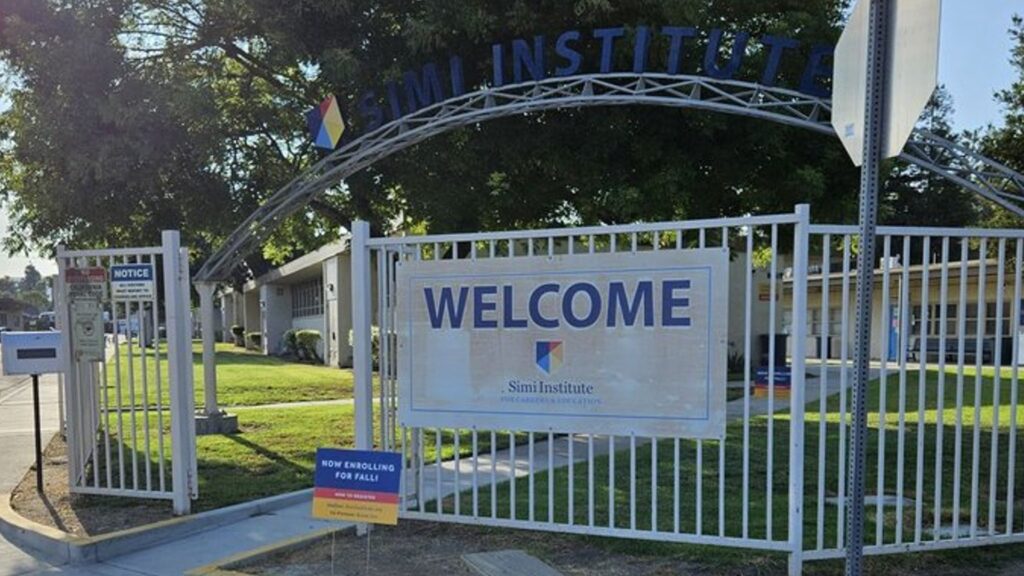
In Simi Valley, that lifeline often comes through the Simi Institute for Careers & Education. For decades, it has offered affordable training in fields like healthcare, cosmetology, welding, HVAC, and machine technology. Programs are hands-on, practical, and designed to get students working quickly. Many graduates walk out with certifications that lead to steady jobs — often at wages that rival or surpass what some four-year graduates earn.
The Financial Reality: Vocational Training vs. Four-Year College
- A respiratory therapy program at Simi Institute costs about $12,050 for a first year student — that covers tuition, required books, uniforms, and supplies.
- A certified nursing assistant program is about $1,300, and includes supplies, clinical work, and required training.
- In contrast, attending a four-year public university in California for one academic year (tuition, fees, room, board, etc.) often costs $25,000–$45,000, depending on whether the student lives on campus or off, and whether they are in-state or out-of-state.
- The average cost of attendance for a public four-year institution in-state over four years is often over $100,000, before factoring in loan interest or lost wages while studying.
The Advantage of Earning Earlier
- Vocational graduates often finish in months, not years. They can qualify for jobs immediately.
- Many Simi Institute programs include externships. That means students get hands-on work experience and often earn income soon after finishing.
- Trades like HVAC, welding, machine tech, and health care offer starting wages in the $20-$30 per hour range in Ventura County. That leads to real earnings. That matters when tuition bills don’t build up.
The fear that a single missed deadline means a canceled future is not true. Futures bend, shift, and rebuild. A late application, a detour into trade school, or a pause to regroup doesn’t end the journey — it shapes it.
Hope lies in this: the world doesn’t demand perfection from 18-year-olds. It demands persistence. The willingness to keep moving, to learn, to adapt. To take one step forward even if the whole map isn’t clear.
And for every teen sitting at the kitchen table, staring at a blank application or dreading another conversation with a parent, the message they need most is simple: your future is not canceled. You are still writing it, one choice at a time — and here in Simi Valley, the chance to begin earning, growing, and living independently is closer than you think.