
Remember When Dogs Slept Outside? And Why We Judge Neighbors With Outdoor Dogs Today
 Daniel Jordan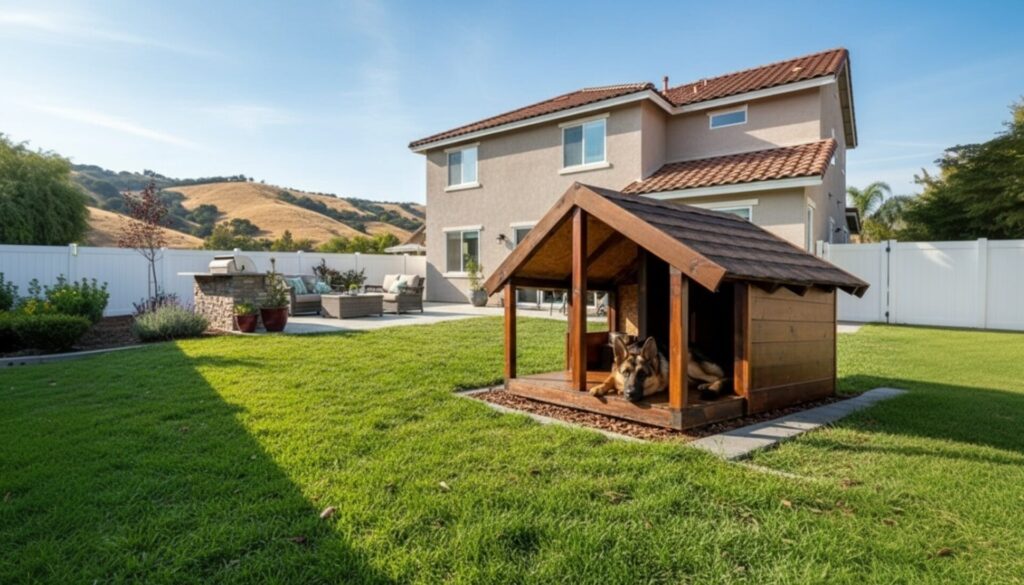
Once the Dog Slept Outside. Now He’s in Your Bed. Here’s the Story Behind It.
(CLAIR | Simi Valley, CA) — Not that long ago, most family dogs slept outdoors. There was a small wooden house under a tree or beside the fence. A water bowl sat nearby, maybe an old blanket or towel inside the doghouse.
That was ordinary life. The family dog lived in the yard — watching, guarding, napping in the sun. The air smelled of cut grass, kids played in the street, sprinklers ticked at night. The dog was part of the neighborhood.

It wasn’t neglect. Dogs were loved, but also expected to be tough, independent, and self-sufficient. They got fed, brushed, and petted — but when evening came, someone opened the back door and said, “Go on, outside.”
The Shift Indoors
Over time, that routine faded. Starting in the late 1980s and through the 2000s, dogs began moving inside — first into the garage, then the kitchen, and finally the bedroom.
Part of it was practical. Yards shrank as newer housing developments filled in. Outdoor space turned ornamental — patios, not fields. At the same time, families spent more hours indoors, in climate-controlled comfort. The dog followed suit.
Science played a role too. Veterinarians and behaviorists began showing that dogs are social animals — pack creatures that need contact and conversation as much as food and water. A dog left alone outside for long hours can become anxious or frustrated. Barking, digging, pacing — not disobedience, but loneliness.
And there were safety issues. Heat, coyotes, and theft became real concerns. It wasn’t that the dogs grew softer; it was that the world outside became harsher.
A Cultural Turn
Something deeper was changing too. We started seeing dogs less as property and more as family. “Pet ownership” quietly shifted toward “pet parenting.”
This shift reached into almost every corner of daily life. Stores began selling dog birthday cakes. Parks built fenced play areas. New cars came with “pet mode.” Dog daycares opened where feed stores used to be.
In middle-class suburban neighborhoods, this transformation was especially strong. Dogs went from living in the yard to sharing the sofa. That closeness became a reflection of family values — care, attention, belonging.
Perceptions of Outdoor Dogs Today
With those changes came new perceptions. Today, in most suburban areas, a dog that lives full-time outdoors often draws sympathy — or judgment. People tend to assume the dog is lonely, neglected, or unloved.
In reality, the reasons vary. Some families believe a dog is happier outside, especially working breeds that crave space. Others simply grew up that way and see it as normal. But in many neighborhoods, especially those where life revolves around family routines and indoor comfort, an outdoor dog can now seem out of place.
Neighbors might comment about the barking or worry about the heat. Some even call animal control out of concern. There’s an unspoken cultural message: A good dog lives inside. And by extension, a good owner brings them in.
This social shift doesn’t come from cruelty — it comes from changing empathy. People project their own comfort onto their pets. If they can’t imagine sleeping outside on a cold night, they can’t imagine their dog should either.
Still, not every family or every dog fits that mold. Working dogs, livestock guardians, and certain breeds remain well-suited to outdoor life — provided they have shelter, care, and company. But socially, the image of the outdoor dog has changed. What once symbolized loyalty and toughness now sometimes signals distance.
What Dogs Might Tell Us
Dogs, of course, don’t read culture. They read us. They listen to tone, movement, and routine. When they lived outside, they could still smell dinner cooking, hear the laughter, sense the family inside. But they weren’t part of it.
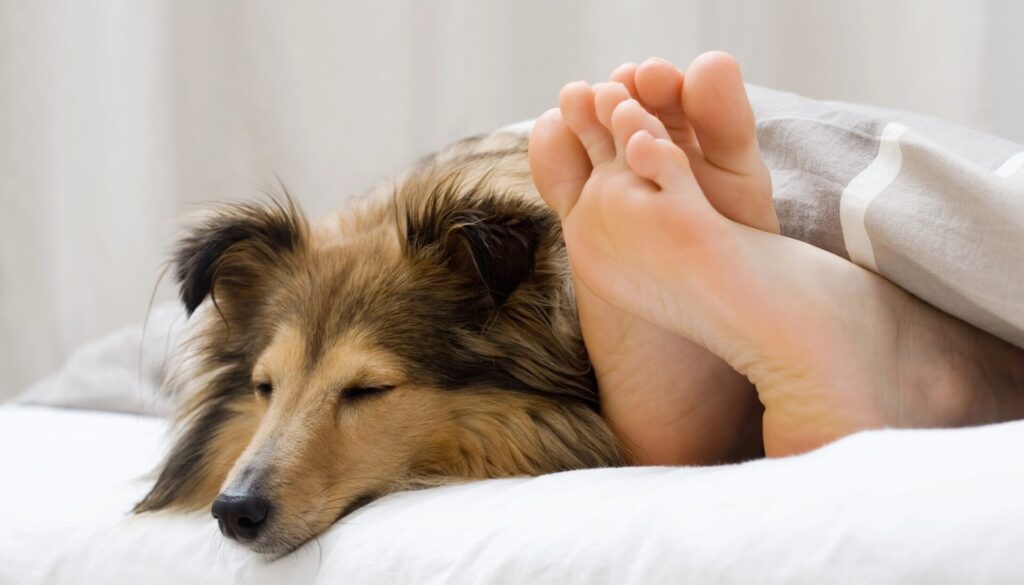
Now, when they sleep by the couch or curl up at the foot of the bed, they’re closer to what they naturally seek — contact, belonging, warmth. Studies show that when dogs lie near their humans, their heart rate slows. So does ours. That’s connection in its simplest form. It’s not that dogs needed saving. It’s that we began to understand them better.
Echoes of the Old Way
Still, there’s something nostalgic about those nights when the only light was the porch bulb and you could hear your dog shifting in the doghouse. It reminds people of a slower time, when the boundary between home and yard was thinner, and a barking dog meant someone was awake and watching.
Those days shaped the bond we have now. Dogs once guarded the home from the outside; today, they guard it from within — often while snoring softly on the rug.
The shift tells a story about us: how comfort, empathy, and connection came to mean more than toughness or tradition. We haven’t made dogs less loyal. We’ve just brought them closer.