Is Rap Finally Getting Old? After 35 Years at the Top, Has Rap Music Lost Its Cool?
 CLAIR Editorial Staff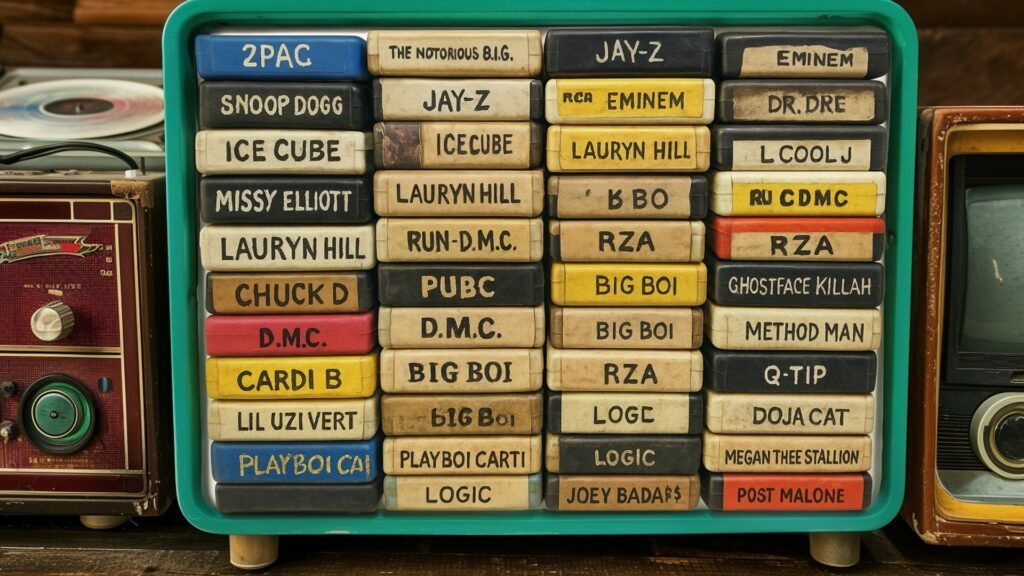
Rap Ruled a Generation. Now It Sounds Tired. What Happened?
(CLAIR | Simi Valley, CA) — For the first time in thirty-five years, the Billboard Hot 100’s Top 40 doesn’t feature a single rap song. The last time that happened was February 1990 — before Tupac, before Jay-Z, before hip-hop became the voice of a generation. Now, after decades of dominance, that voice has gone quiet at the top of the charts. The question is why.
Some point to Billboard’s new rules that move older hits into a “recurrent” category sooner, which pushed Kendrick Lamar and SZA’s long-running No. 1 “Luther” off the list. But even after that adjustment, no new rap songs filled the gap. For two straight weeks, not one track classified as rap has cracked the Top 40. That’s not just a data anomaly. It’s a sign of changing taste — and maybe, changing values.
The Sound That Changed Everything
Rap once felt unstoppable. From the streets of the Bronx to global stadium tours, it became the language of rebellion, truth, and identity. For decades, hip-hop shaped culture, fashion, and politics. It was raw, powerful, and alive — a voice for those who felt unheard.
But over time, the message shifted. What began as an expression of pride and resistance often hardened into anthems of excess and hostility. Violence, misogyny, and cynicism became commercial staples. Artists who once described their environments began glorifying them. The line between storytelling and celebration blurred.
That shift didn’t happen overnight, and it didn’t come from malice. It came from success. Once rap became the dominant form of pop music, the shock that once made it powerful began to feel routine. The edge dulled. The anger became formulaic. The stories started to repeat themselves.
When the Message Gets Tired
There’s growing evidence that audiences — especially younger ones — are ready for something different. On social media, fans talk about being “emotionally exhausted” by the constant negativity in mainstream rap. Even within the genre, many artists admit that the narrative feels stuck.
A 2003 study by the American Journal of Public Health found a troubling connection between heavy exposure to rap videos and higher rates of violence and risky behavior among teens. Two decades later, those same themes still dominate much of the genre. At a time when listeners have more choices than ever, the idea of celebrating pain or chaos simply feels dated.
That doesn’t mean hip-hop has lost its importance — only that audiences are changing. Many grew up with Drake, Kendrick Lamar, and Future as the soundtrack of their youth. Now, as they get older, they want depth, optimism, or at least a new emotional register. Music that lifts rather than drags.
A Culture Looking for Light
Every major genre has faced this moment. Rock went through it in the 1980s when image and ego replaced authenticity. Country did it during the “Bro-Country” era, when shallow party anthems pushed away serious songwriting. Each time, audiences eventually rebelled — not against the music itself, but against what it had become.
Rap is now in that same place. The biggest names — Lamar, Drake, J. Cole — release less frequently. Emerging rappers are fragmented across niches that rarely break into the mainstream. Meanwhile, other genres are rising by offering something hip-hop once did best: sincerity. Country artists like Luke Combs and Jelly Roll are topping charts with songs about hope, healing, and self-reflection. Pop and K-pop acts are winning young fans with messages of unity and joy.
That shift doesn’t mean listeners want to avoid reality. It means they want art that offers more than survival. People are tired of anger as an aesthetic. They’re ready for honesty without hostility.
What Happens Next
Rap is not dying — it’s recalibrating. The same thing happened to rock after its burnout in the 1980s. It didn’t disappear; it fractured into indie, alternative, and folk movements that rediscovered heart and storytelling. Rap will likely do the same. Underground scenes are already evolving toward new sounds — spiritual rap, lo-fi soul, and poetic hybrids that focus more on introspection than aggression.
For decades, hip-hop gave voice to frustration and inequality. That role remains vital. But audiences are signaling that it’s time for the genre’s next chapter — one that builds instead of breaks, that reclaims joy without losing truth.
The absence of rap in the Top 40 doesn’t mean people stopped listening. It means they stopped relating. And when people stop relating, culture changes.
This moment could be the best thing that’s happened to hip-hop in years. It’s a pause, not a collapse — a chance to rediscover the emotion that once made rap revolutionary. Because when a sound that big goes quiet, it’s usually just catching its breath before something new begins.