Dick Cheney Dies at 84 — Simi Valley’s Link to a Controversial Power Broker
 Daniel Jordan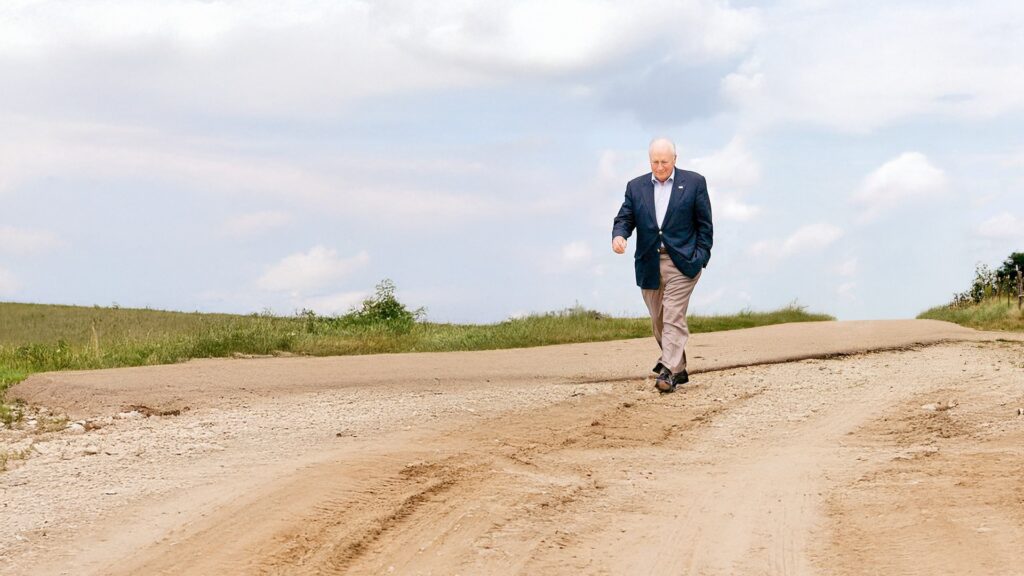
Dick Cheney, Force Behind America’s Post-9/11 Wars and a Defining Power in U.S. Politics, Dies at 84
(CLAIR | Simi Valley, CA) — Dick Cheney was the man behind the curtain — the strategist, the enforcer, the heartbeat of two presidencies. Revered and reviled in equal measure, he reshaped the modern vice presidency into a command post of global consequence. Cheney’s decisions after September 11, 2001, set the course for two decades of war, surveillance, and expanded national security powers. He died Monday at age 84 from complications of pneumonia and cardiac disease, his family said in a statement reported by the Associated Press.
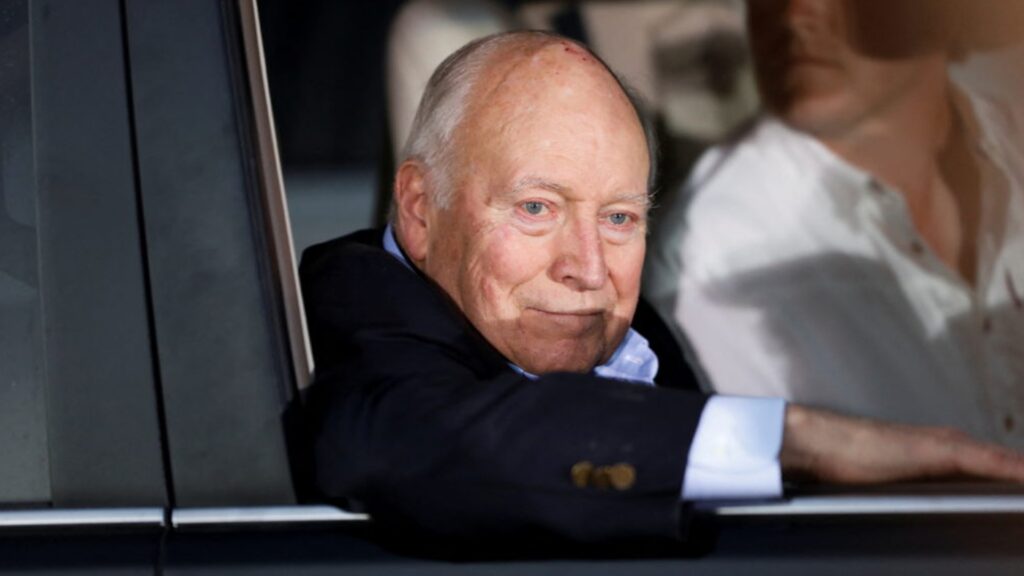
“For decades, Dick Cheney served our nation,” the family said. “We are grateful beyond measure for all he did for our country, and blessed beyond measure to have loved and been loved by this noble giant of a man.”
A Career That Redefined Power
Cheney’s imprint on American government spanned five decades. He served under five presidents, led the Pentagon during the 1991 Gulf War, and as vice president to George W. Bush, became the most influential second-in-command in modern history.
After the attacks of September 11, he championed the invasion of Iraq and defended extraordinary measures — from secret prisons to warrantless wiretaps — as necessary to protect the United States.
To admirers, he was disciplined and unflinching when the nation needed resolve.
To critics, he was the engineer of an era defined by secrecy, war, and moral compromise.
From Wyoming to Washington
Born in Lincoln, Nebraska, and raised in Casper, Wyoming, Richard Bruce Cheney’s rise was steady and strategic. He studied political science at the University of Wyoming after leaving Yale, then joined the Nixon and Ford administrations as a protégé of Donald Rumsfeld.
He served six terms in Congress before President George H.W. Bush tapped him as Secretary of Defense in 1989, where he oversaw Operation Desert Storm. Later, as CEO of Halliburton Co., he blended business and geopolitics in ways that foreshadowed his next chapter in government.
The Reagan Library Connection
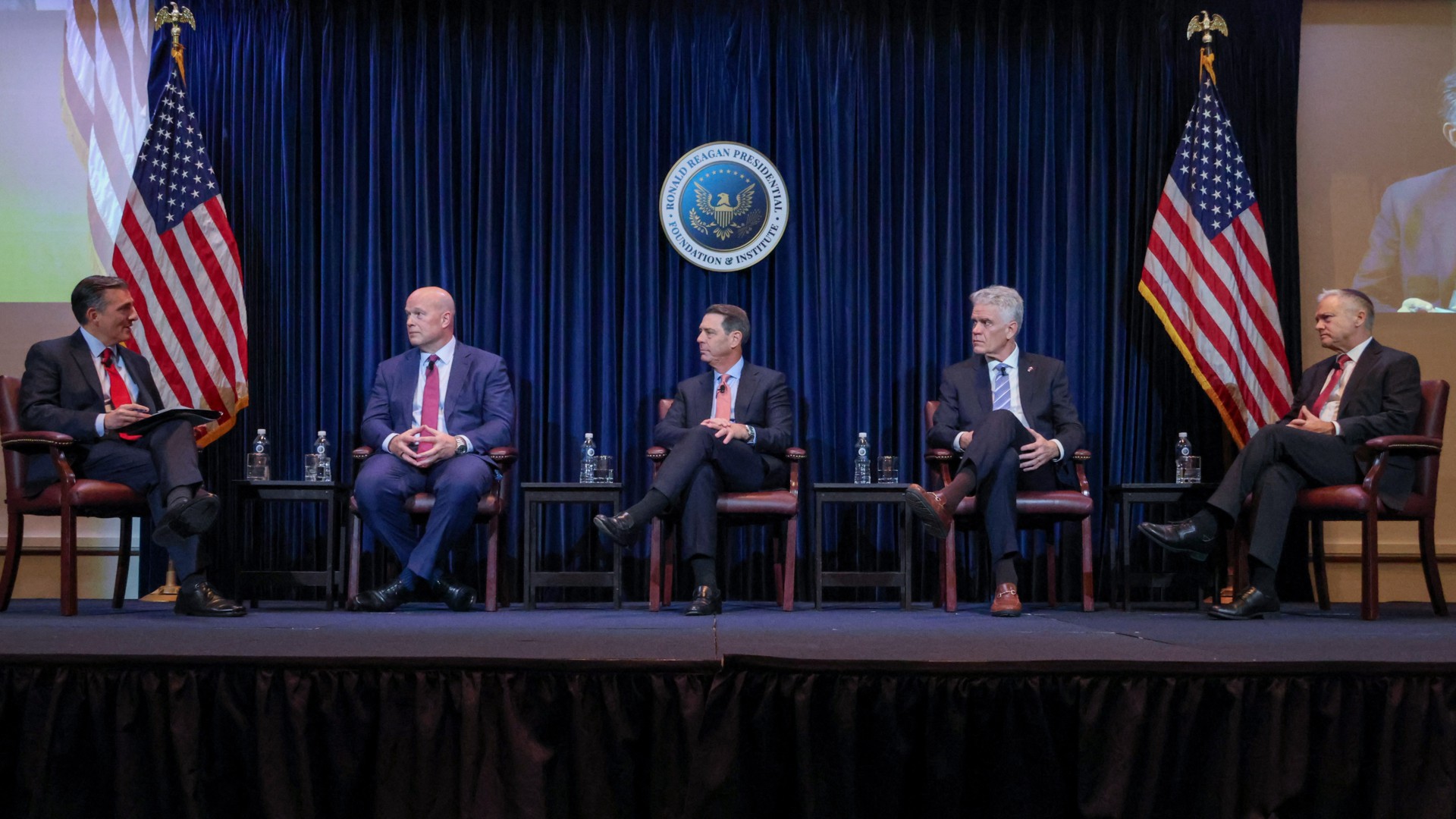
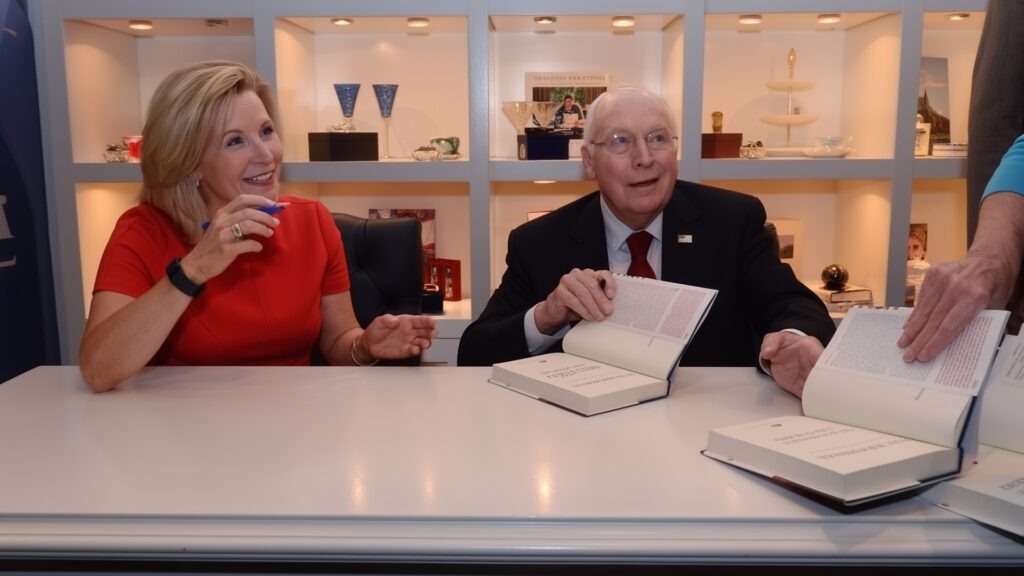
Cheney appeared publicly at the Ronald Reagan Presidential Library in Simi Valley, California, at least twice — in 2004 and again in 2011, according to official archives. The library, a fixture of Republican legacy, hosted Cheney’s speeches about national defense and American resolve — subjects that would come to define his political identity.
Controversy Without Retreat
Cheney never distanced himself from the choices that made him famous — and infamous. “I did what I thought was right,” he said in 2015.
He stood by the Iraq War, defended “enhanced interrogation techniques,” and insisted that expanded surveillance powers were vital in a dangerous world. The courts, and later public opinion, often disagreed.
Still, his focus on executive authority and national security helped shape U.S. foreign policy for a generation.
The Critics’ Verdict
Not everyone viewed Cheney’s late-life moves — including his endorsement of Vice President Kamala Harris over Donald Trump — as redemption.
In a 2024 Al Jazeera opinion essay, Ziyad Motala, a law professor at Howard University, argued that Cheney’s record “caused immense human suffering on a global scale.” Motala wrote that celebrating Cheney as a “defender of democracy” ignored “the havoc unleashed during the Iraq War and the broader war on terror,” which left “a trail of death and destabilisation” from Baghdad to Guantánamo.
The critique underscored a central truth of his legacy: Cheney was both a stabilizer and a disruptor — a man whose conviction in his own judgment never wavered, even when history did.
Family, Faith, and Final Years
Cheney survived five heart attacks and a 2012 heart transplant. He often said he awoke “thankful for the gift of another day.”
In 2022, he returned to the political stage to defend his daughter Liz Cheney, the Wyoming congresswoman who broke with her party to challenge Donald Trump’s attempts to investigate the 2020 election.
“There has never been an individual who was a greater threat to our republic than Donald Trump,” Cheney said in a campaign ad for her.
He spent his later years in Jackson Hole, surrounded by family and the mountains he loved. He is survived by his wife Lynne, and daughters Liz and Mary Cheney.
A Legacy Still Argued
Dick Cheney leaves behind one of the most consequential and divisive legacies in modern American history — a record that redefined presidential power, reshaped global conflict, and challenged the nation’s moral compass.
His influence endures in the policies, debates, and divisions that followed him — proof that one man, working mostly out of sight, can alter the course of history.