
Little House on the Prairie’ Star Suffers Stroke and Now Facing Eviction: Olivia Barash’s Real-Life Nightmare
 Daniel Jordan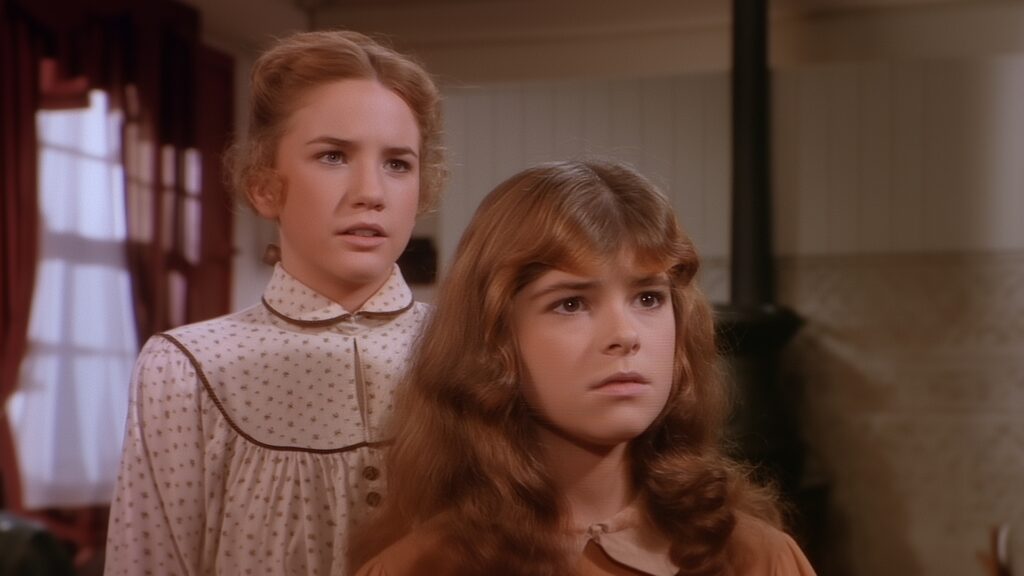
Fans Remember ‘Sylvia’ — The Actress Who Shocked TV in 1981 Is Now Pleading for Help
(CLAIR | Simi Valley, CA) — In 1981, millions of television viewers watched a young actress named Olivia Barash deliver one of the most haunting performances in Little House on the Prairie history. She played Sylvia Webb, a shy teenager whose story of assault and tragedy shocked audiences who had come to expect gentle family drama.
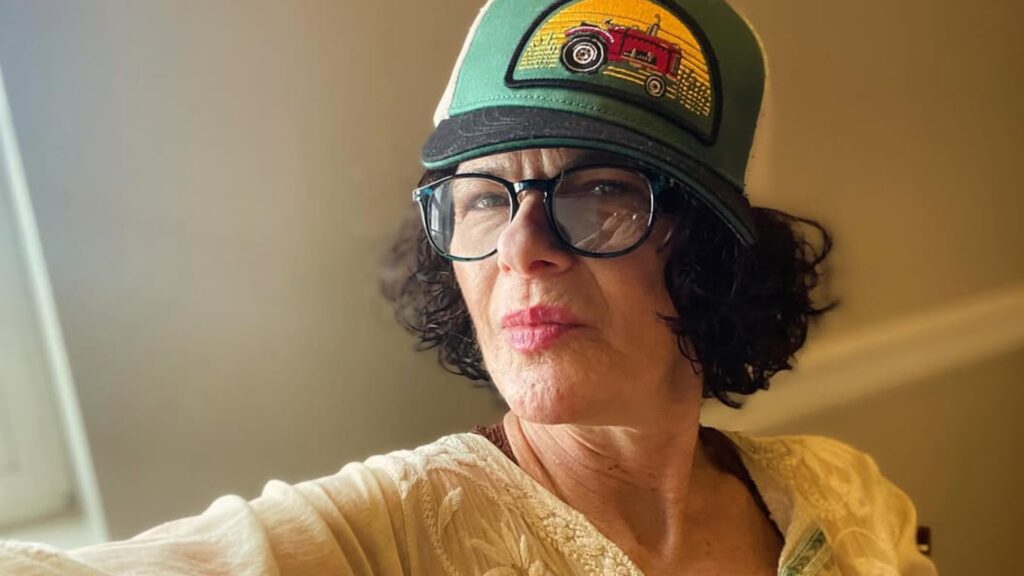
Four decades later, Barash’s name has surfaced again — not because of Hollywood, but because of a very different kind of heartbreak. The sixty-year-old actress is recovering from a stroke, bedridden in her Los Angeles apartment, and just weeks away from eviction.
The Episode That Defined Her
“Sylvia,” a two-part story written and directed by Michael Landon, remains one of the darkest chapters of the long-running series. The 2023 Entertainment Weekly retrospective called it “the most WTF episode of Little House on the Prairie ever.”
Barash, who was only fourteen when she auditioned, remembered Landon’s emotional presence behind the camera. “He would cry during the scenes,” she told EW. “I could feel that and it made my performance better. He was one of my favorite directors.”
Her character’s death scene, filmed near Simi Valley, left viewers devastated. “I didn’t realize how much it would affect people,” she said. “Because of Little House, I have this really weird fan base… I’m this cult actress, but it started with Sylvia, no doubt about it.”
That role made her recognizable for life — yet fame offered little protection when real life began to mirror the isolation she once portrayed on screen.
A Sudden Medical Emergency
In October 2025, Barash suffered a stroke that left her unable to walk or care for herself. Speaking to TMZ, she explained that she has “no family and hardly any friends left in Los Angeles” and has struggled to find adequate healthcare. “I just need help during this terrible time,” she said. “I didn’t expect this. I want to move to a safe place and be normal again.”
She told reporters that rent increases and construction at her building have forced her to leave. “I don’t know where I’ll go,” she admitted. “I’m trying to get help, but nothing has come through.”
Her disability application was denied, leaving her with almost no income while she recovers.
Friends and Strangers Step In
Barash’s longtime friend Nanea Reeves created a GoFundMe campaign to prevent her from becoming homeless. The appeal reads, “Our dear friend Olivia Barash needs help. She recently had a stroke and has no family in her life, just her friends.”
The goal is modest — $9,000 to cover first and last month’s rent and basic living expenses. As of early November, the fundraiser had passed $7,700. “She is spirited, creative, and very talented,” Reeves wrote. “If you are able to help, it would be so appreciated.”
Speaking Out in Desperation
On social media, Barash has shared her fear and confusion openly. In one post she wrote, “Don’t know what more I can do to stop this forward progression of time, which appears it will end with me and Pippin on the street.”
She also criticized the lack of help from her unions. “After more than fifty years as a SAG-AFTRA member and forty in the music industry, they dropped the ball when I needed them the most,” she told Yahoo Entertainment.
Her posts are raw and disoriented — a reflection of both her illness and her despair. “I must be doing something wrong because of my stroke,” she wrote. “I’m not remembering everything. I need help.”
Echoes of a Role That Won’t Fade
In Little House on the Prairie, Sylvia Webb was a girl cast out by her community and left to suffer alone. Decades later, Olivia Barash is facing a similar abandonment — not scripted, not staged, but painfully real.
“I just need some assistance right now,” she said. “I want to move somewhere safe and start again.”
For viewers who remember Little House, it’s impossible not to see the parallel: the girl no one could save has become the woman no one should forget.
A Quiet Reminder
Barash’s story is not about lost fame. It is about how quickly stability can vanish, how a single medical emergency can erase a lifetime of work, and how easily creative workers slip through the cracks of an unforgiving system.
She remains hopeful that compassion — from fans, friends, or strangers — might buy her time to recover. The same vulnerability that once made audiences weep for Sylvia Webb now defines the woman behind the role.