 Sylvie Belmond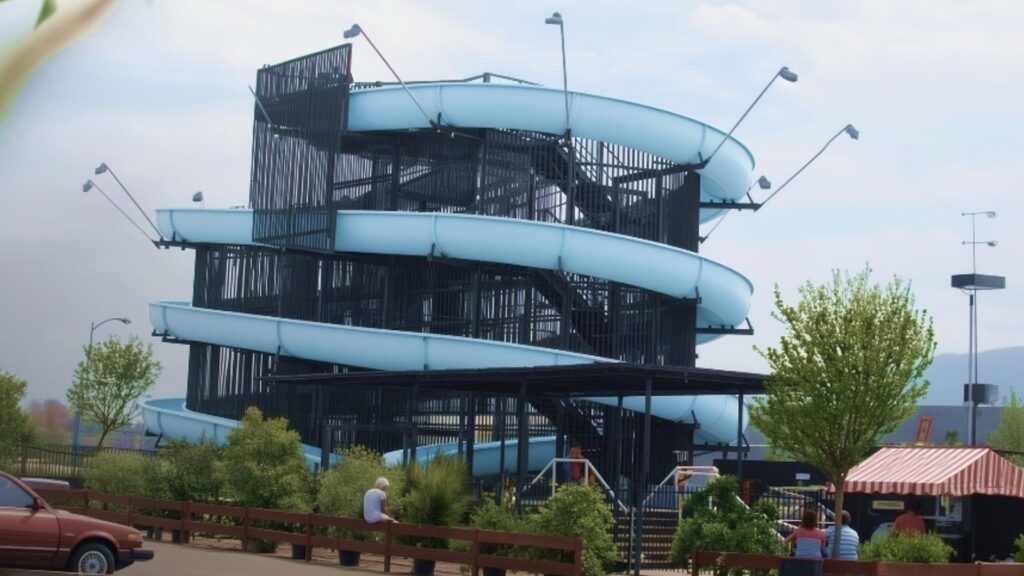
Not Stuck in the Past — But Rooted in What Matters
(CLAIR | Simi Valley, CA) — Growth is happening. And in Simi Valley, the real question isn’t if the city should grow — it’s how to grow without losing what people love most.
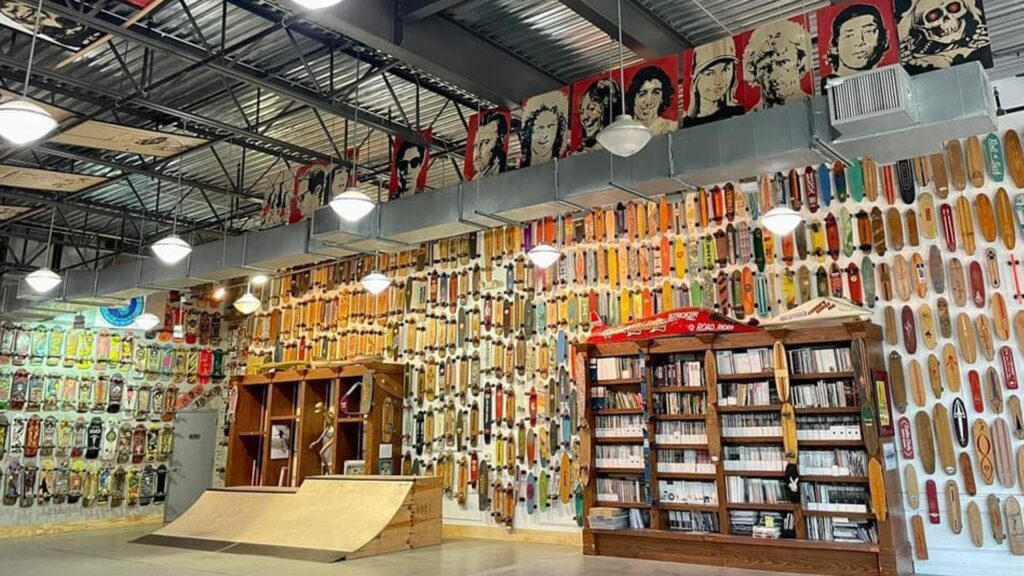
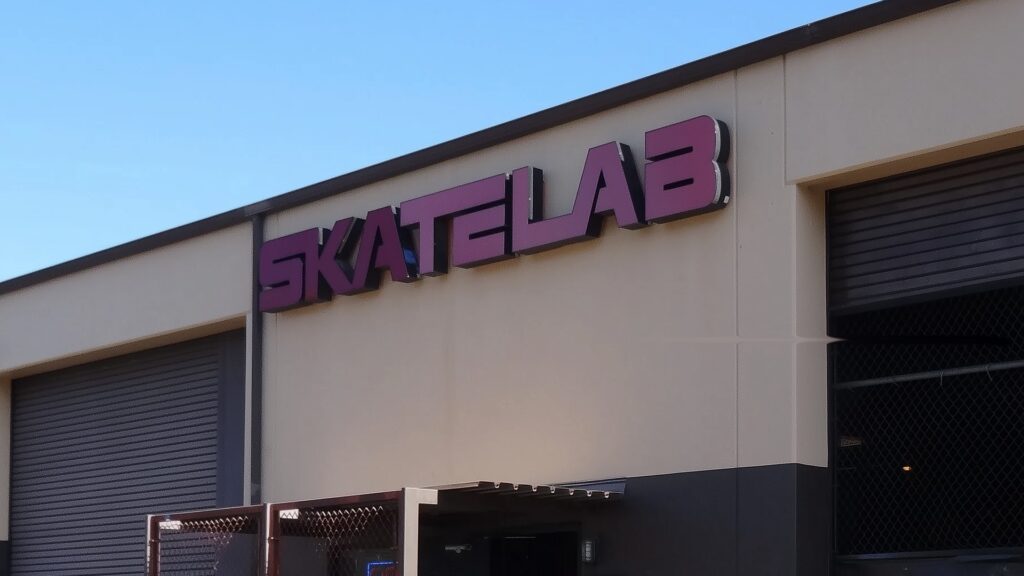
For many residents, that love runs deep. It’s rooted in memory: the kinds of places that once made Simi Valley feel lively, connected, full of possibility. Some remember roller rinks — at least three over the years. Others think back to Family Fun Zone, a ’90s arcade tucked into a strip mall where kids could bring in their report cards for free game credits and line up at the Ghostbusters shooting gallery. They remember the towering waterslide. They remember Skatelab — a nationally known skatepark that also housed the Skateboarding Hall of Fame, helping put Simi Valley on the map for generations of skaters. And they remember Corriganville — once a working movie ranch and live-action stunt show destination, where families gathered for western reenactments, climbed the rocky backlot trails, and felt like part of something cinematic and larger than life.
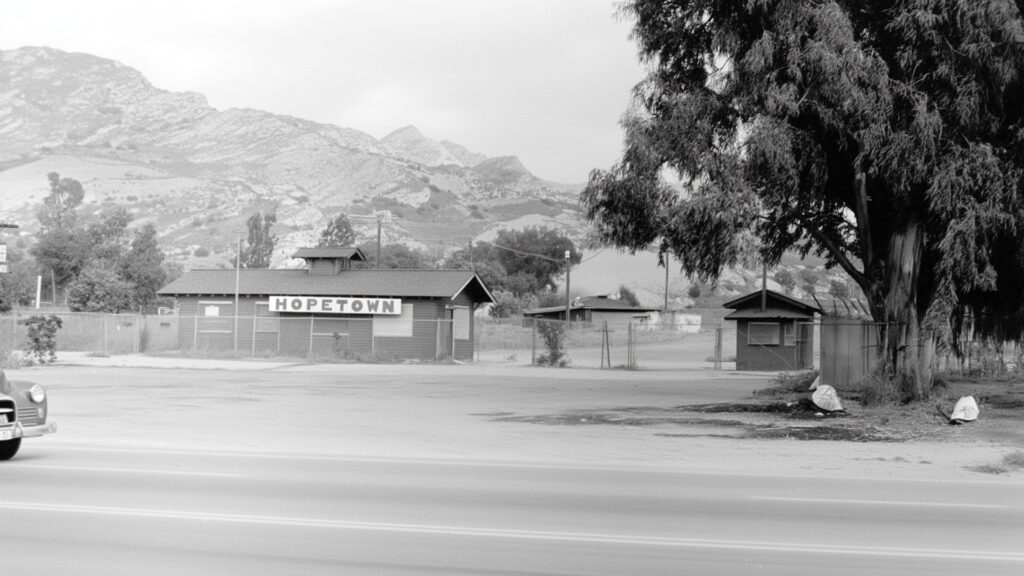
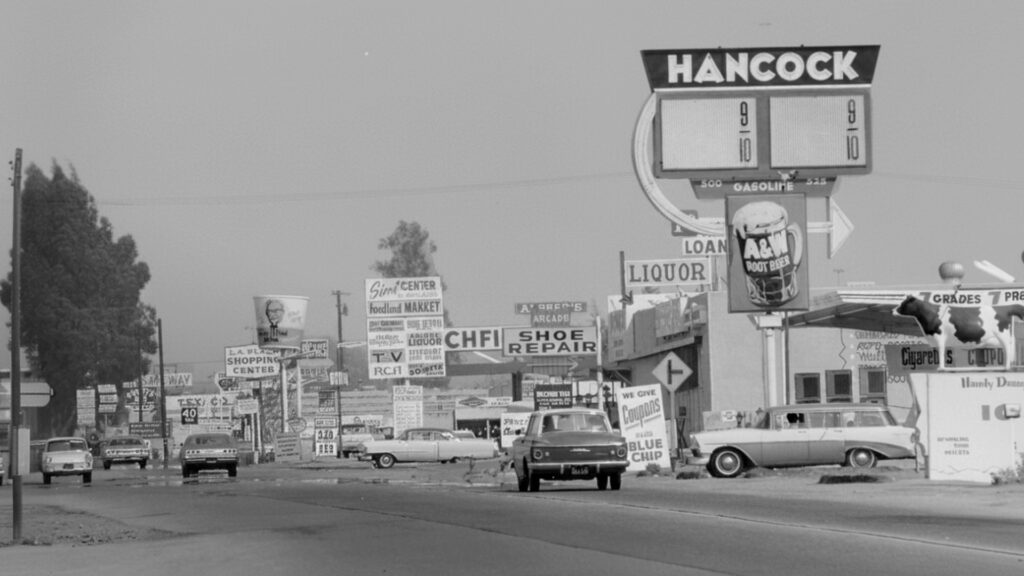
Some of those places are gone. Some still stand in new forms — Iceoplex continues to welcome skaters under the LA Kings brand, and the Skateboarding Hall of Fame and Museum remains a proud part of the city’s identity. But the feeling, many say, has faded. And it’s that feeling they want to bring back.
They’re not asking for the past. They’re asking for more of what made this place worth staying in — more energy, more fun, more places that draw people out of their homes and into community life. More of what they love, to stay, and for more to come — or come back.
Which raises the question: what if growth didn’t mean giving things up? What if it created the chance to build something better — not just more homes, but more reasons to stay? Not just roads and rooftops, but places to live, gather and thrive? What if the next chapter of Simi Valley became the kind of time people will one day look back on and call the good old days?
That possibility is real — but it depends on how the city grows, and whether the next phase of development supports more than just population.
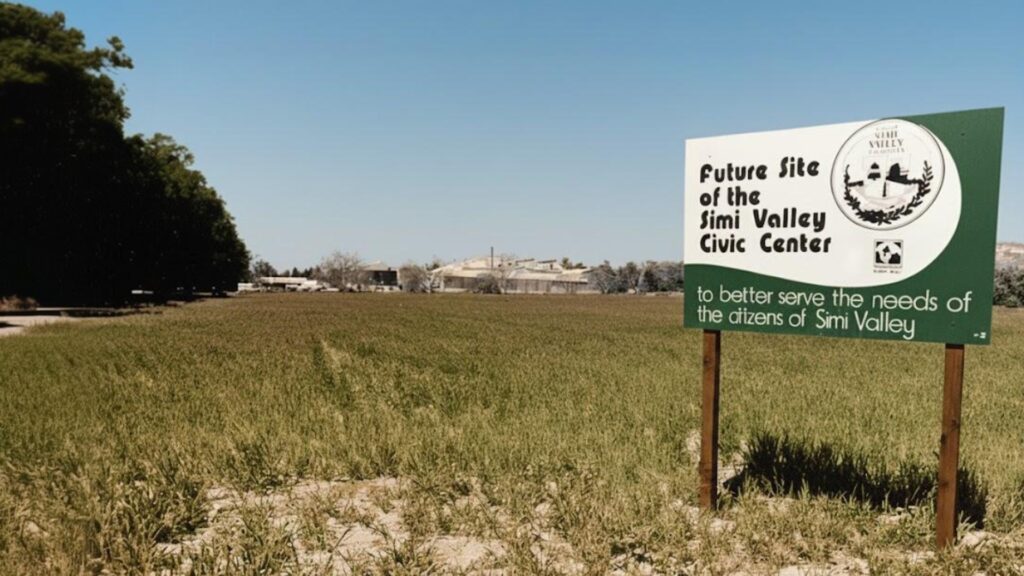
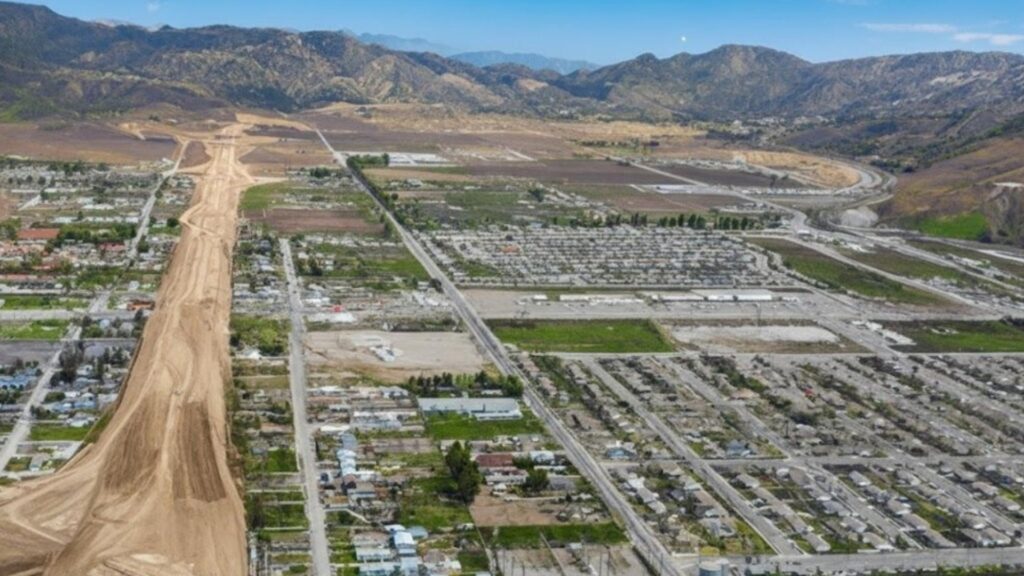
Across Simi Valley, change is already taking shape. On the northern edge, the proposed North Canyon Ranch project would bring 207 new homes on roughly 160 acres and include the annexation of several unincorporated parcels, including seven “county islands.” A city environmental study identifies nine distinct areas involved in the proposal, covering over 300 acres and 444 parcels. The plan remains under review.
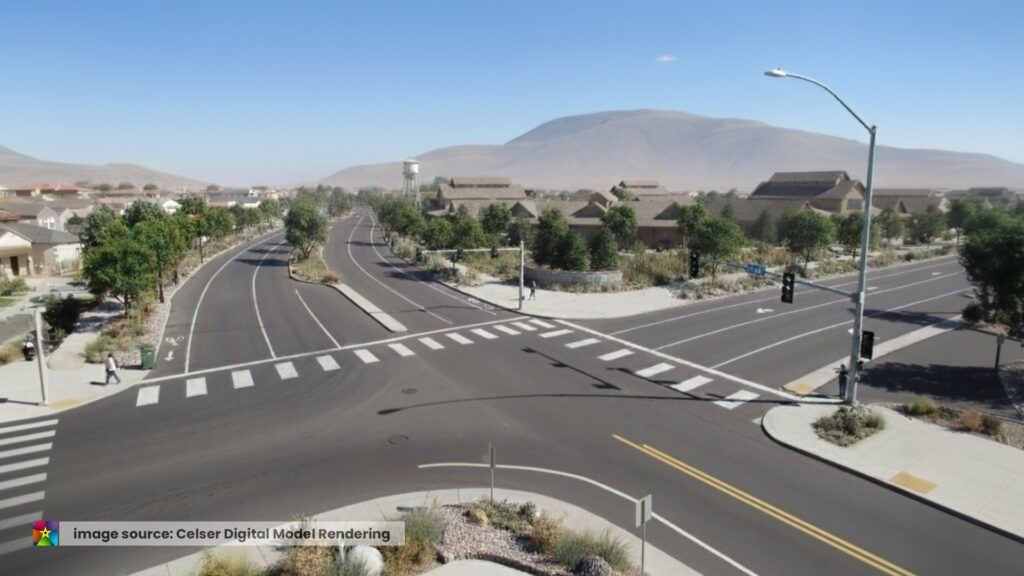
To the south, the Runkle Canyon development continues in phases, with approvals for 461 homes — a mix of estate lots, detached homes and senior condos. Several extensions have allowed time to complete remaining homes, trails and a recreation center. On the east side, Lost Canyons spans more than 1,700 acres and is approved for 364 homes, with future commercial and recreational use also planned.
Growth isn’t limited to the city’s edges. Smaller infill projects — townhomes, apartments, assisted-living facilities — are reshaping existing corridors like Los Angeles Avenue, Patricia Avenue and Cochran Street. These aim to add housing within the community, not outside of it.
But even as homes rise, many residents and city leaders are focused on something bigger: how to make Simi Valley feel more alive.
On Tapo Street, a mixed-use development proposes 280 apartments above new retail — an effort to build not just density, but daily life. At the Simi Valley Town Center, developers hope to transform the site from a fading mall into a vibrant hub of homes and businesses. A February 2025 plan calls for up to 375 residential units, reusing the former Macy’s building and parking areas while maintaining dining and retail space. Assistant City Manager Luis Garibay, in a report from the project architects, described the concept as part of a national shift: malls giving way to walkable, mixed-use centers. The key, he said, is balance — the right mix of housing, retail and social space.
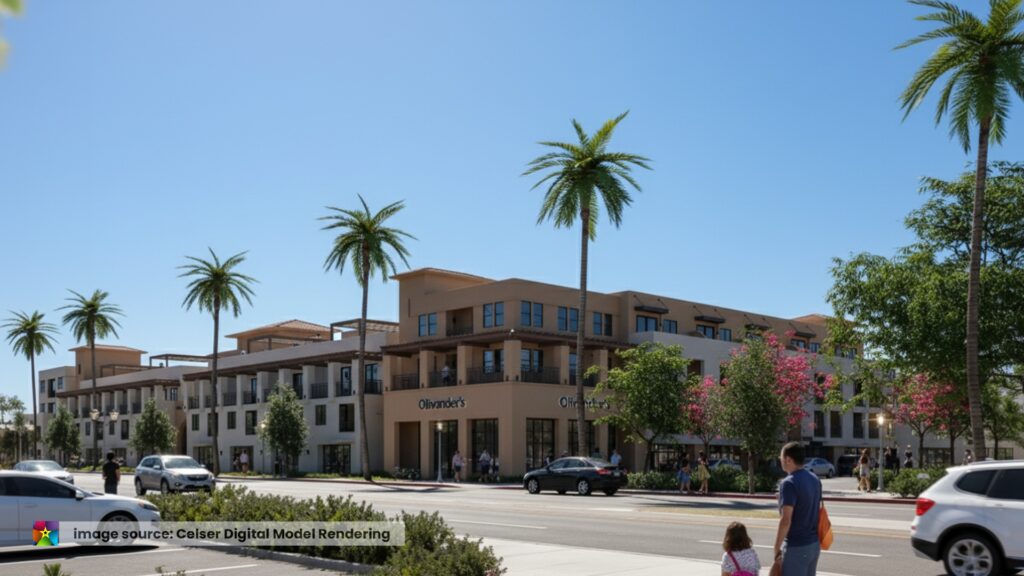
These efforts are aligned with Envision Simi Valley, the city’s long-term land-use plan that encourages development along major corridors while protecting open space. But the bigger question isn’t just how to build — it’s what kind of life those buildings support.
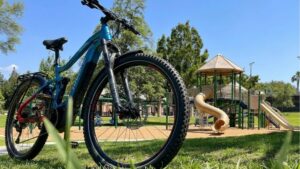
Residents have been clear about what’s missing. More activities and gathering spaces for teens and young adults. More entertainment that doesn’t require driving to another city. More public spaces that encourage hanging out, not just passing through. One local resident has even started organizing weekly skate meetups at a neighborhood park — a grassroots reminder of what’s possible when people feel invited to come together.
When CLAIR published a story earlier this month about the city’s iconic slide, readers quickly responded. One comment summed up a feeling shared by many: “Simi used to have lots of great things for people to do — water slide, skating rinks, bike tracks, motorcycle racing, bars! The good old days of yester year are gone.”
That reaction wasn’t just about longing. It was about remembering what those places gave people — freedom, community, joy. And about wanting the future to offer the same.
That’s where thoughtful development can make a difference. When new neighborhoods include local restaurants, gathering places, art spaces and performance venues, they become more than just housing. They become part of a shared experience. They become places people want to be — not just places they have to be.
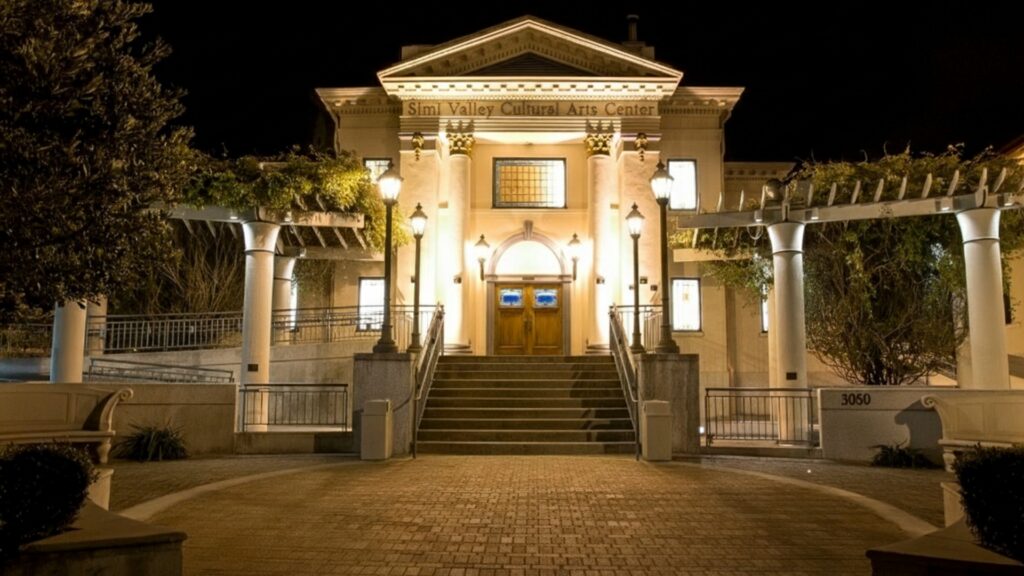
There are seeds of that already. The Cultural Arts Center continues to host live theater and music. With expanded programming — concerts, events and acts that speak to younger audiences — it could grow into something even more central. Residents aren’t asking for the past to return. They’re asking for something that speaks to now, and to what’s next.
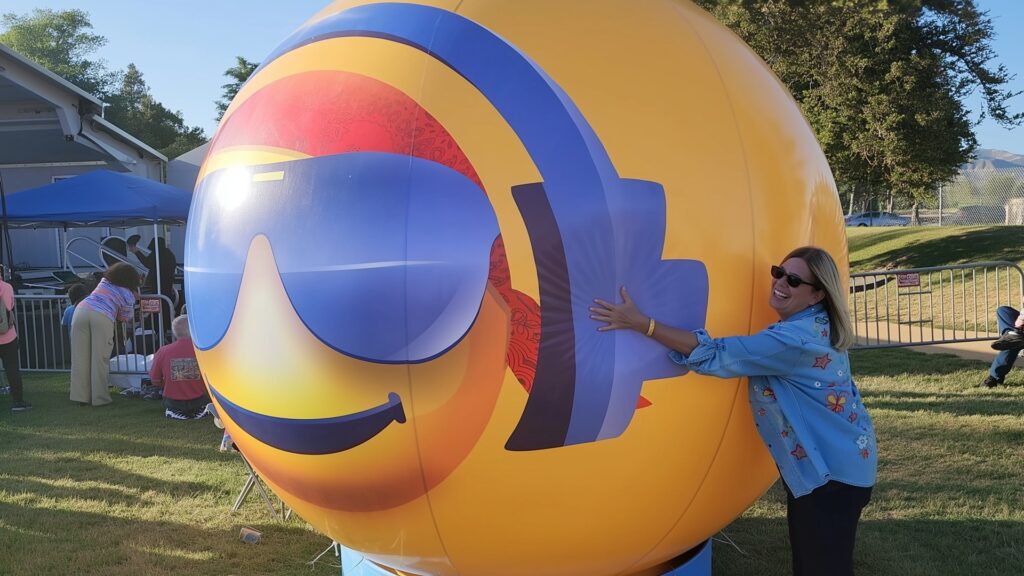
From seasonal traditions to new ideas, events like the Simi Valley Film Festival, Happy Face Music Festival, Simi Valley Beer Festival, and the long-running Street Fair all point to the same truth: people want to gather. They want reasons to stay local, to connect, to feel part of something. The Simi Valley Community Orchestra brings neighbors together through music, and the Rancho Simi Recreation and Park District’s “Concerts in the Park” series fills summer evenings with live bands, picnics, and families dancing on the lawn. The July 4th fireworks celebration draws thousands to Rancho Santa Susana Park every year — blankets spread across the field, glow sticks in hand, and cheers rising with every finale. These aren’t just events — they’re proof that residents want things to do, and they’re eager to show up when the city gives them a reason.
It’s not all gone. Places like Rock N’ Roll Pizza — part pizzeria, part live music venue — continue to draw crowds for concerts and community nights. The city’s bowling alley, Harley’s Valley Bowl, still fills lanes with families, league players and late-night regulars. These are the kinds of local hangouts that keep community life grounded — and they’re reminders that Simi Valley doesn’t need to reinvent itself from scratch. Some of what people love is already here — it just needs more room to grow.
Growth also puts pressure on infrastructure — roads, water, transit and public spaces need to keep pace to maintain quality of life.
Economic development is gaining ground. The city approved a Fairfield Inn on East Cochran Street, though it remains under development and has not yet opened. Costco is modernizing its fueling station. Griffin Plaza has seen upgrades and new tenants in recent years, and a major warehouse project on Guardian Street signals fresh momentum in local industry — with new space for light manufacturing and logistics beginning to take root. For many residents, these kinds of projects matter not just for tax revenue or land use, but because they bring the chance to work closer to home — to spend less time commuting and more time rooted in the community.
Simi Valley has always adapted — from a ranching outpost to a bedroom community to a city finding its own voice. The projects moving forward now will define what that voice sounds like in the coming decades. There’s room to shape it — not by clinging to the past, but by honoring what people loved about it, and bringing those values forward into something new.
So here’s the question for every resident: What do you want to see in Simi Valley’s next chapter?
Because the city’s next chapter isn’t just about what gets built — it’s about how people choose to live, work and gather within it.






Great article Sylvie. Past and future being brought together to create a greater Simi Valley.