 Daniel Jordan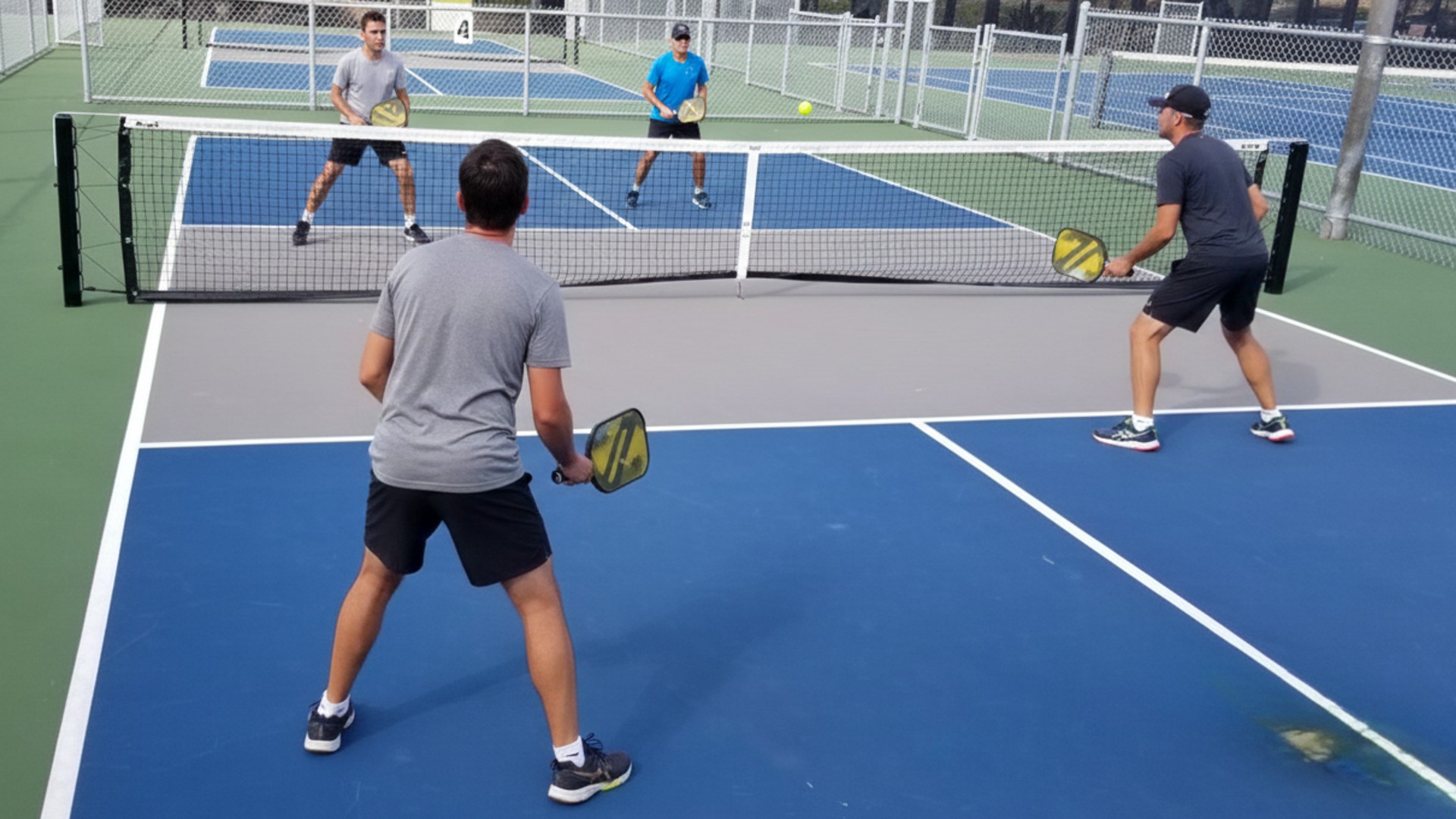
Growth slows from explosive to steady, but 20 million players tell a different story than the doomsayers predict.
(CLAIR | Simi Valley,CA) — A claim spreads through tennis clubs and social media. Pickleball is dying. The fastest-growing sport in America has peaked. Courts sit empty. The boom is over.
The numbers tell a different story.
Nearly 20 million Americans played pickleball in 2024. That marks a 46% increase from the previous year. The sport grew 311% over three years. By mid-2025, participation climbs to 23 million players. Growth continues at 15% annually.
These figures come from the Sports and Fitness Industry Association, which tracks participation across all major sports. For the fourth straight year, pickleball holds the title of America’s fastest-growing sport.
The confusion starts when people compare current growth to past rates. From 2021 to 2024, participation exploded at 45% to 52% annually. That pace was unsustainable. No sport maintains triple-digit growth forever. A 15% annual increase remains exceptional for any recreational activity.
Courts tell the same story. The United States now has more than 68,000 pickleball courts. That number includes dedicated facilities and converted tennis courts. Dedicated facilities grew 55% in 2024 alone. Cities invest $855 million to build 24,500 new courts over the next five years.
The market value reflects this momentum. The global pickleball industry was worth $1.5 billion in 2023. Projections put it at $4.4 billion by 2033. Equipment sales, tournaments, and facility construction all expand.
Some facilities do struggle. A business analyst noted in late 2025 that certain indoor pickleball centers default on loans. Developers overbuilt in specific markets. They assumed explosive growth would continue at the same rate forever. This represents market correction, not sport-wide collapse.
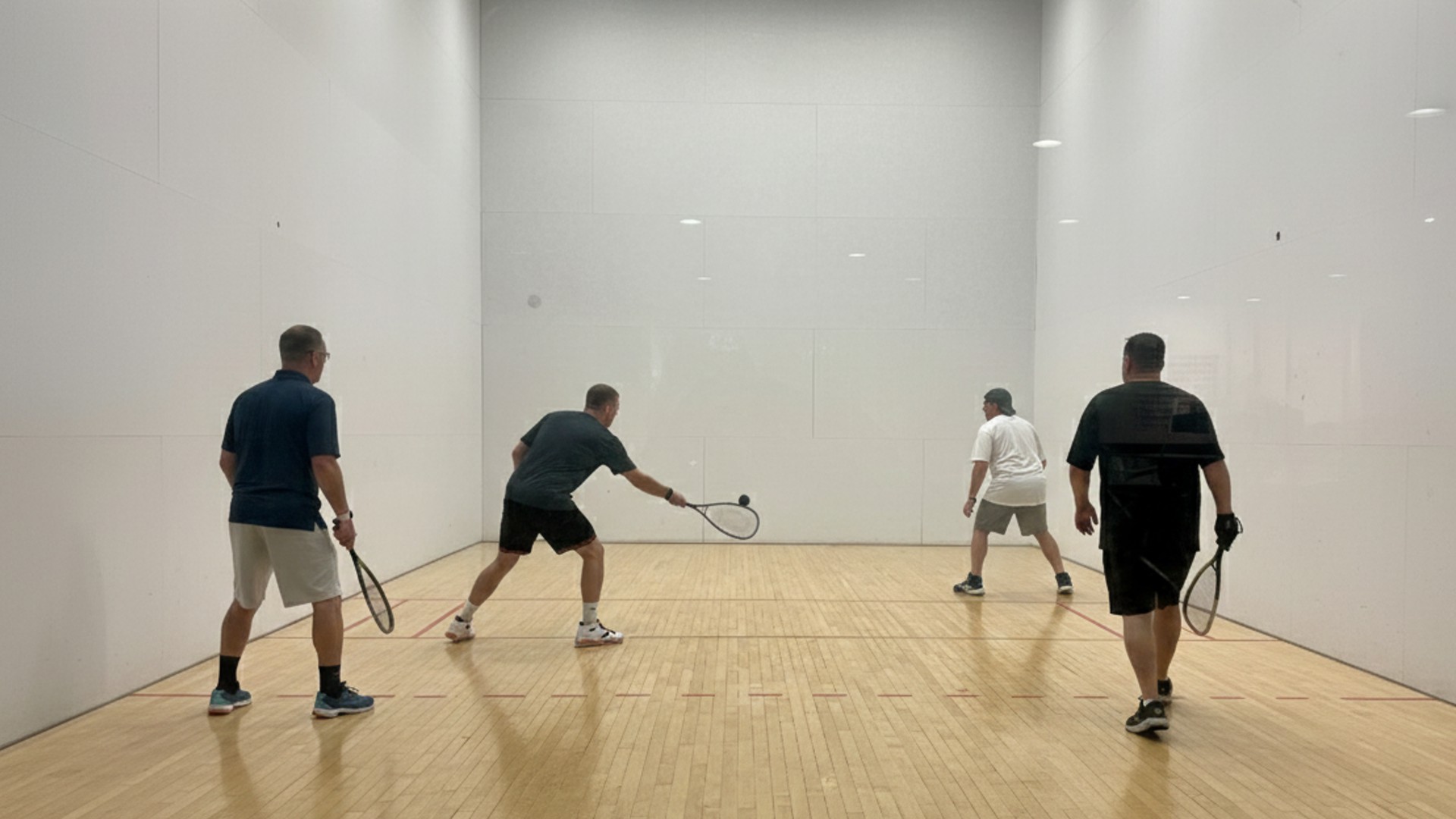
The racquetball comparison surfaces often. Critics point to racquetball’s decline as a warning. But the two sports follow different paths entirely.
Racquetball peaked at 12 million players in 1980. By the 1990s, participation dropped 50%. Today, only 3.5 million Americans play racquetball. That number has stayed flat since 2018. Courts declined from 30,000 to 14,000 nationwide.
Three factors killed racquetball. First, the sport required expensive indoor facilities. Clubs and gyms converted courts to more profitable uses like fitness studios. Second, technology made the game too fast for beginners. Advanced racquets and balls created short rallies that intimidated newcomers. Third, television networks could not broadcast matches. Viewers could not follow the small ball moving at high speeds.
Pickleball avoids these traps. The sport works indoors and outdoors. Public parks add lines to existing courts at minimal cost. The game stays accessible to all skill levels. Professional tours broadcast on ESPN and CBS Sports with clear visibility. Players range from children to seniors, with the average age at 35 years old.
The demographic spread matters. Nearly 2.3 million players fall between ages 25 and 34. Another million children under 18 picked up paddles in recent years. This creates a pipeline of young players who will sustain the sport for decades.
Geographic expansion continues. Florida leads with 1,228 locations. California follows with 1,223 facilities. Every region of the country adds courts and players. The sport also grows internationally, with federations forming in 78 countries.
Professional leagues attract major investment. Tom Brady, LeBron James, and other athletes buy into teams. Major League Pickleball and the Professional Pickleball Association expand tournament schedules. Prize money increases. Media coverage grows.
Some observers note that average playing frequency dropped from 40 days per year to 31 days among core players. This reflects an influx of new participants rather than declining interest. More casual players enter the sport, which actually signals healthy expansion.
The infrastructure challenge remains real. Major cities like New York, Los Angeles, and Chicago still lag behind national averages for court density. They sit 92% below the standard. But these markets doubled their dedicated courts in 2024. Investment flows toward solving the shortage.
Simi Valley sees this growth firsthand. Local courts fill during peak hours. New players show up weekly. The community embraces the sport for its social aspect and accessibility. Families play together across generations.
The narrative that pickleball is dying misreads the data. Growth rates moderate from explosive to sustainable. This represents maturation, not decline. A sport cannot triple in size every three years indefinitely. Physics and demographics prevent it.
What actually happens is pickleball transitions from fad status to permanent fixture. The first wave of massive growth brings millions of players. The second wave builds infrastructure and institutions. Professional leagues form. Equipment improves. Rules standardize. Youth programs launch in schools.
This pattern repeats across successful sports. Basketball, soccer, and tennis all went through similar phases. Early explosive growth gives way to steady expansion. The sport becomes embedded in culture rather than trending on social media.
The future looks bright for pickleball. Participation continues rising. Investment pours into facilities and equipment. International expansion opens new markets. Olympic inclusion becomes possible by 2032.
For Simi Valley residents who enjoy the sport, the message is clear. Pickleball is not dying. The courts are not emptying. The boom is not over. The sport is simply growing up.