Banned, Broken, and Bacteria-Filled: The Grocery Bag Saga Nobody Asked For
 Daniel Jordan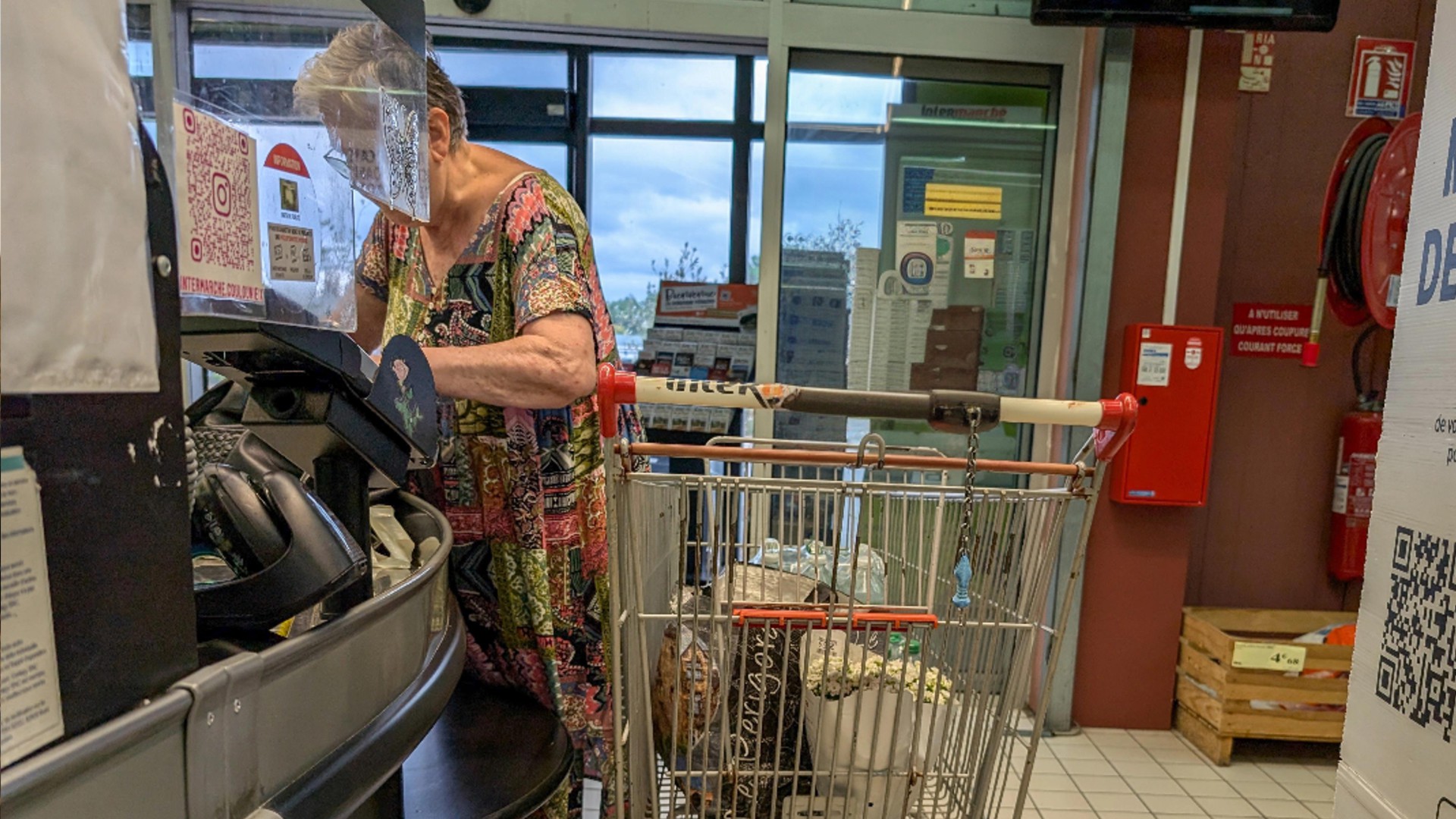
Why California’s War on Plastic Misses the Point
(CLAIR | Simi Valley, CA) — California’s grocery bag policy has officially crossed into the absurd. Beginning January 1, 2026, even the thicker, reusable plastic bags now sold at checkout will be banned statewide. Stores will offer paper only, and shoppers will pay for each one.
The intention may have been noble. The execution is pure chaos.
Plastic bags are not the problem they are made out to be. They are simple, functional, and endlessly reusable. Families use them to line trash cans, pack lunches, store leftovers, clean up after pets, and carry groceries. Seniors rely on them because they are light, flexible, and easy to grip. Food pantries across the region depend on them to safely distribute donated goods. In most homes, each bag lives a long and useful second life before it ever reaches a recycling bin.
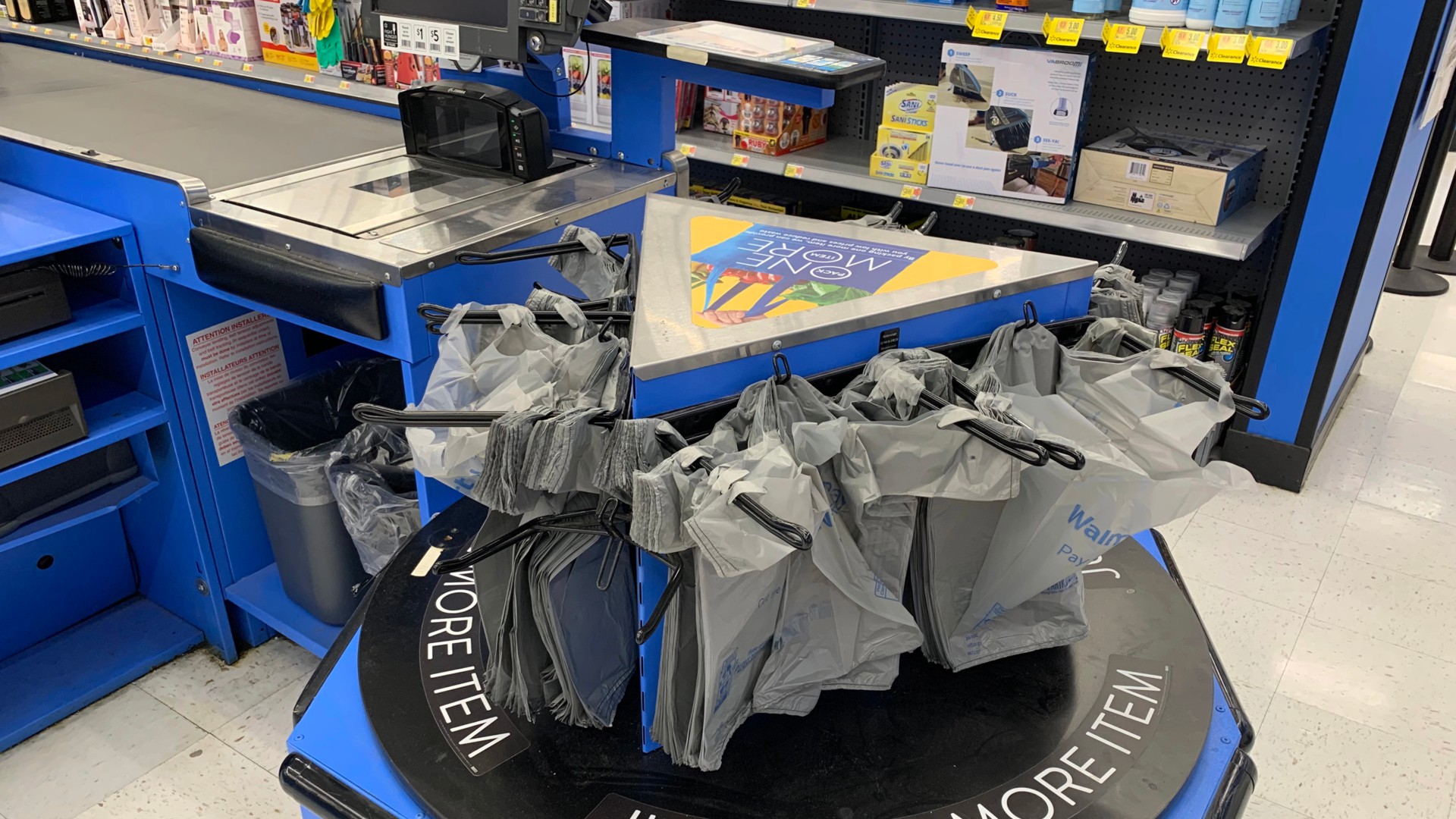
The paper replacements, however, have become a running joke. Handles snap halfway across the parking lot. Rain turns the bottoms to pulp. A bag carrying a few bottles of juice collapses before reaching the trunk. Delivery drivers have reported entire orders arriving with soggy, half-empty bags and embarrassed apologies. Stores, desperate to prevent spills, now double-bag groceries, charging twenty cents per order and calling it “structural reinforcement.” Environmental victory, apparently, comes with twice the paper waste.
And for those told to “just bring your own,” the picture isn’t much better. The state’s reusable-bag culture has quietly created its own sanitation problem. Most people never wash them. Studies show bacteria and mold build up quickly in unwashed cloth bags, especially after carrying meat or produce. One study found that nearly every reusable bag tested contained detectable bacteria, including E. coli. Yet those same bags now travel from grocery carts to countertops and back into cars every week. In a state that once banned plastic straws for “public health,” this new system all but guarantees contamination.
It’s hard to see how we got here. California has replaced one manageable issue with several unmanageable ones: weak paper bags, higher costs, and now the quiet risk of cross-contamination in homes. All this in the name of sustainability, while the simplest solution sits in plain sight.
If the goal is to reduce waste without making life miserable, a better plan would be to stop counting and policing every bag. Charge a flat one-dollar fee per grocery order and let baggers use as many as needed to pack safely. That single charge would cover cleanup and recycling, protect seniors and people with disabilities, and save everyone the time and aggravation of debating nickels at checkout.
The deeper problem is not the bag itself. It is the belief that people cannot be trusted to act responsibly. California’s leaders have turned a straightforward question of packaging into a test of obedience. Instead of investing in recycling systems that actually work, the state prefers to ban, fine, and lecture. The result is a law that manages people, not pollution.
Simi Valley’s own story shows that responsibility and progress can coexist. Local farmers have adapted to drought through technology and efficiency, not mandates. The same spirit of practical problem-solving could fix this issue too. Real environmental progress comes from trust and partnership, not from micromanaging how residents carry their groceries.
Californians care about the planet. They also care about their sanity, their safety, and their groceries making it home in one piece. Carrying food from a car to an apartment should not feel like a moral performance. It should be clean, simple, and safe.
A flat fee. A better recycling system. Bags that actually work. That is not too much to ask.
If California insists on telling people how to live, perhaps the next law will include a state-issued instruction manual on how to dry reusable bags between uses. Until then, shoppers will keep wondering how something as ordinary as a grocery bag became one of the most complicated problems in the state.