
Liquid Nitrogen, $20 an Hour, and the Cost of a First Job: The Cool Discussion Happening Inside Simi Valley’s YES Meeting
 Daniel Jordan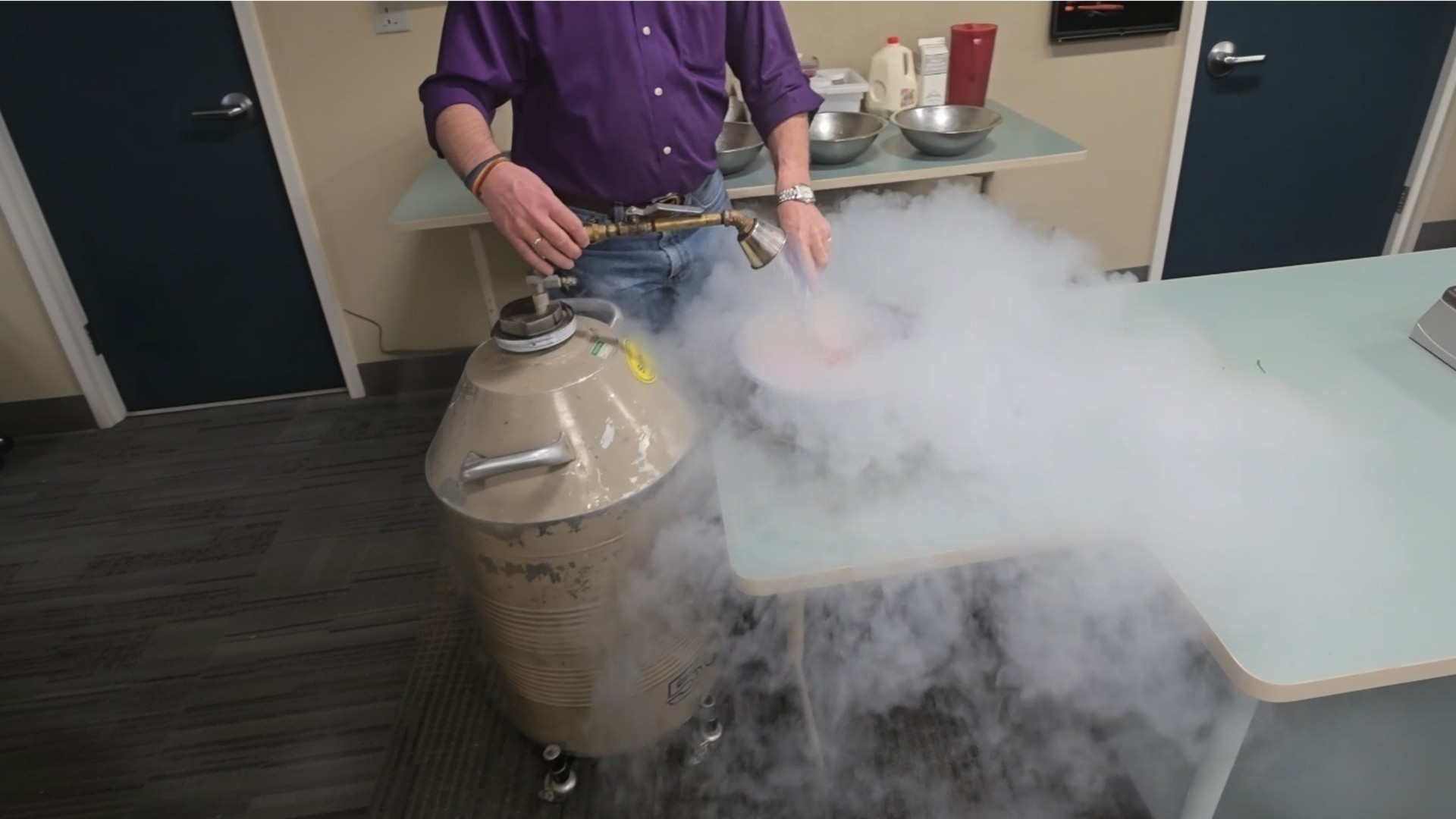
Cold Economics: What Simi’s Small Businesses Are Losing in the Heat of California’s $20 Wage
(CLAIR | Simi Valley, CA) — The morning meeting at Simi Valley’s Youth Employment Service Board wasn’t supposed to make headlines. But when a tank of liquid nitrogen rolled into City Hall, everyone in the room looked up.
At 8 a.m., Rob West, owner of Sub Zero Creamery, began pouring nitrogen into a bowl of cream, filling the room with a thick white fog. It wasn’t just a show. It was a lesson.

For nearly fifteen years, West has hired Simi Valley teens — giving scores of local students their first jobs, their first paychecks, and their first lessons in workplace responsibility. His shop has always doubled as a classroom, where young people learn to work, talk to customers, and take pride in something they made.
But as West told the board this morning, that mission is getting harder to afford.
“Fees keep rising. Taxes keep rising. Wages keep rising,” he said. “And there are days when I can only afford one person on shift.”
California’s new $20-per-hour minimum wage for restaurants — nearly triple the federal rate — was meant to help workers make ends meet. But for small shops like Sub Zero, it’s made hiring local teens increasingly out of reach.
“When I started, I wanted to be a mentor,” West said. “Now I can’t always justify hiring someone for their very first job. The door starts to close on first chances.”
For many small business owners, that’s the hidden consequence of the new wage. To keep up, they cut staff, limit hours, or skip hiring altogether — moves that shrink the pool of entry-level jobs that once gave local teenagers a place to start.
Training is another challenge. Freezing ice cream with liquid nitrogen isn’t something you can learn in a day. It takes time, attention, and a second employee on every shift for safety. Each time a worker leaves, the cost of starting over rises again.
And while the higher wage hasn’t made it easier for young people to buy homes or pay rent, it has made everything else more expensive — burgers, coffee, and even ice cream.
Across Ventura County, small business owners are asking the same question:
How do you stay committed to community jobs when the math no longer adds up?
For West, the answer is simple — if not easy. He just keeps showing up.
Even as he prepares to hand his shop to new owners and move closer to family, his message to the board was clear: the future of youth employment depends on keeping opportunity local.
“The ice cream freezes fast,” he said. “But the lessons last longer.”
As the fog cleared from the room, so did his point.
When policy outpaces reality, it’s the smallest shops — and the youngest workers — who get left in the cold.