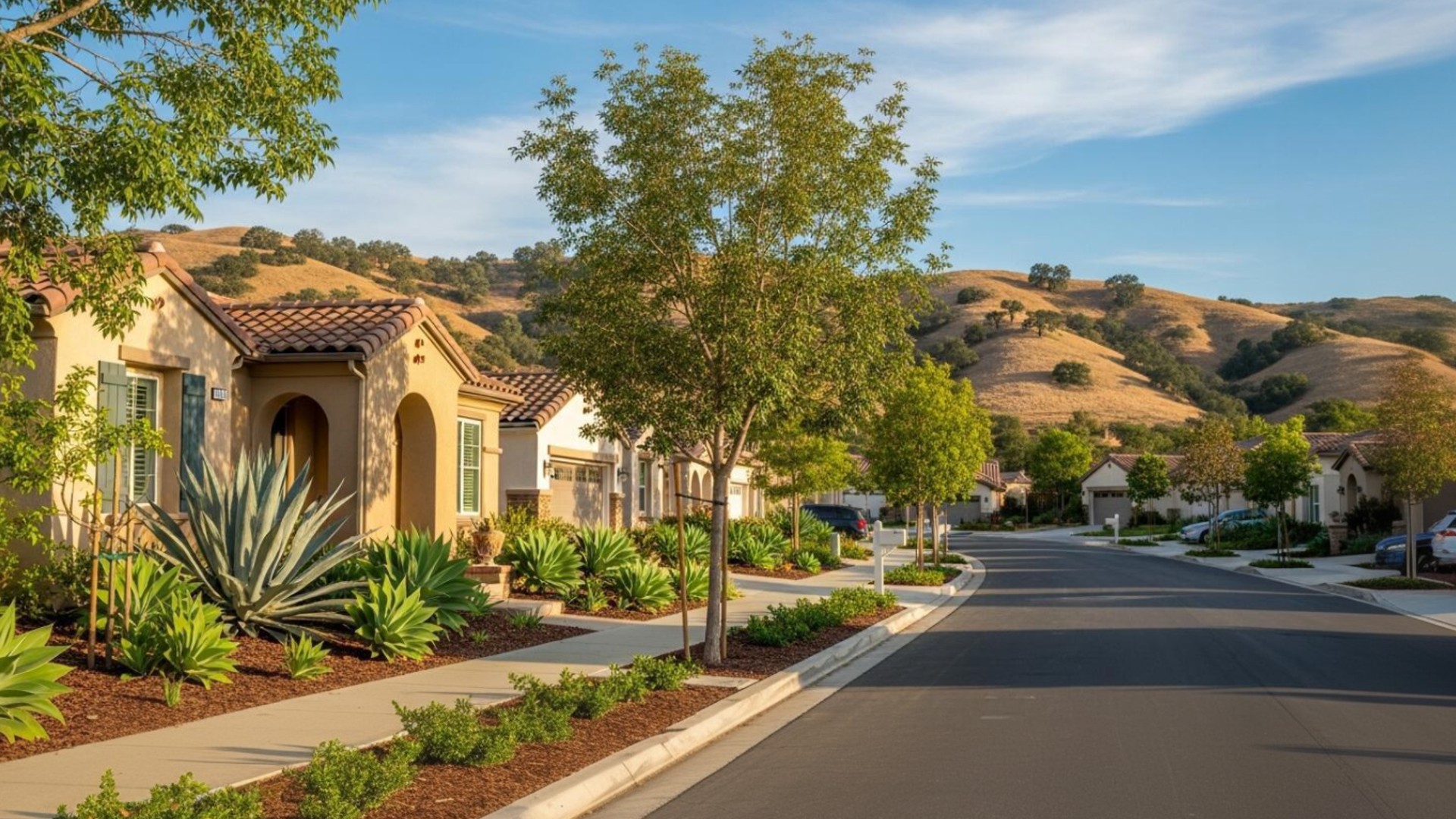
9 Things No One Told You About Buying a Home in Simi Valley — Until Now
 Daniel Jordan
(CLAIR | Simi Valley, CA) — The listing photos look perfect. Bright kitchen. Updated bathrooms. Mountain views from the backyard. The price seems right. You schedule a showing and start imagining your furniture in the living room. What the listing doesn’t mention is the $450 monthly HOA fee, the summer electric bills that hit $500, or the wind that turns patios into dust tunnels every fall.
Alex Gandel spent forty-five years watching buyers discover these surprises too late. The details that actually shape daily life rarely show up in listing descriptions. Some lessons only come from decades of watching what works and what doesn’t.
1. The HOA fee that changes everything.
You find a condo listed at $750,000. The monthly payment fits your budget perfectly. Then you read the fine print. HOA fees run $450 per month. Suddenly that affordable payment jumps by almost twenty percent.
Here’s what makes it worse. Lenders count HOA fees when they calculate how much you can borrow. That $450 monthly payment reduces your buying power by tens of thousands of dollars even though it’s not part of the purchase price. The house you could afford without an HOA becomes out of reach once you factor it in.
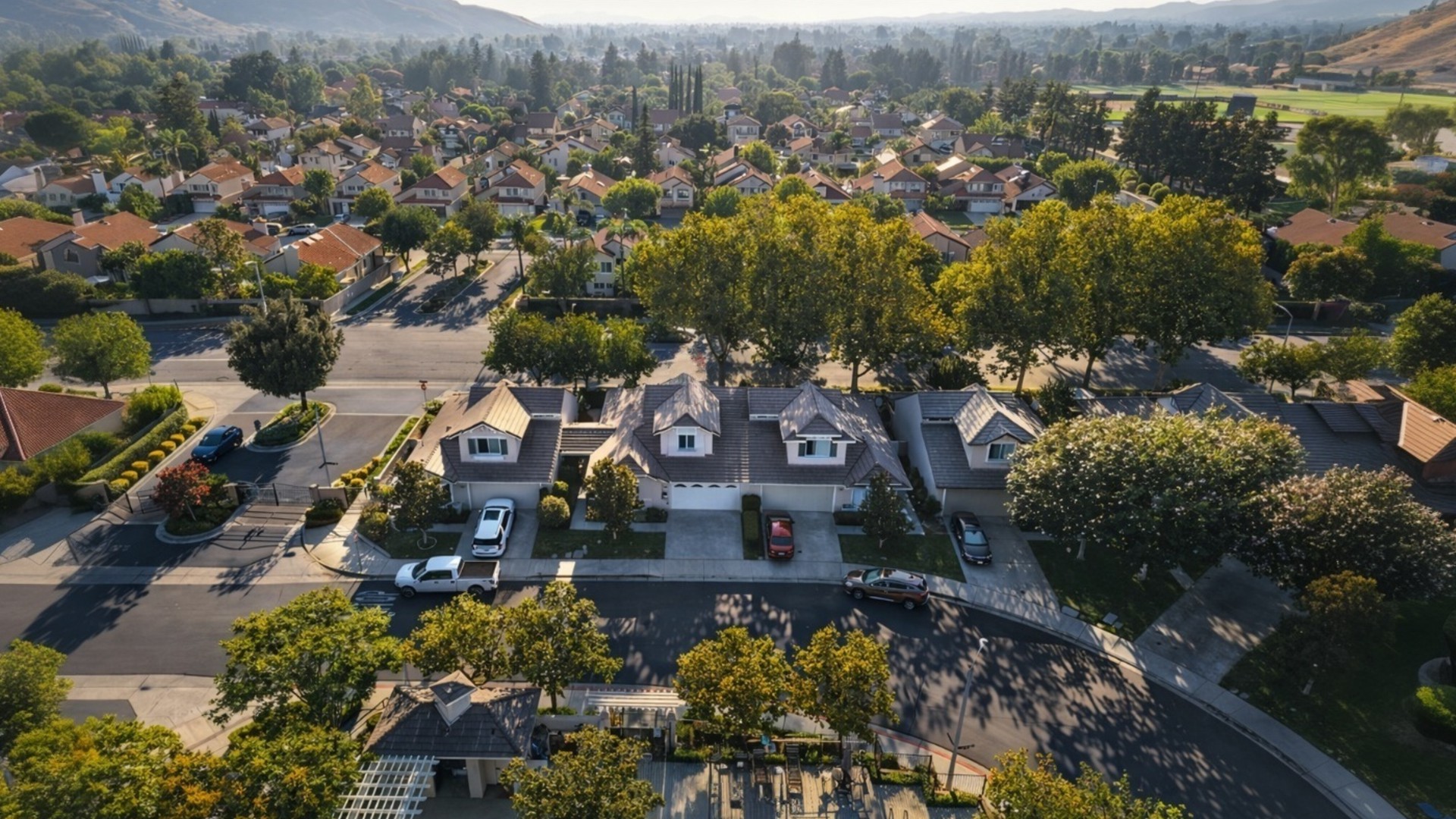
Simi Valley HOAs can range from under $100 monthly to over $500. The expensive ones usually include amenities like pools, gyms, and landscaping. Whether you’ll actually use those amenities is another question entirely.
Before making an offer, get the HOA’s financial documents. Check their reserve fund levels. Ask if any special assessments are planned. A poorly funded HOA can surprise you with a $10,000 bill to repave streets or replace a roof. And you can’t opt out just because you didn’t budget for it.
Read the CC&Rs too. Some HOAs restrict paint colors, require approval for solar panels, or limit where guests can park. That outdoor project you’re planning? You’ll need written permission first.
2. Wind that nobody mentions.
Simi allegedly comes from a Chumash word meaning wind. Some neighborhoods live up to that name more than others.
Homes near the canyons—especially in Big Sky and the eastern areas—turn into wind tunnels from October through March. Patio furniture blows over regularly. Gates slam constantly. The noise wakes people up at night. You can’t enjoy your backyard half the year because of dust and debris.
Other neighborhoods sit in protected spots where wind barely registers. The difference comes down to canyon proximity and how the terrain channels air flow.
The only way to know is to visit on a windy day. Drive through the neighborhood when gusts pick up. Ask neighbors how often they deal with it. Wind affects outdoor living more than most buyers realize until they’re living with it daily.
3. The commute that wears you down.
Simi Valley sits about an hour from downtown LA. That’s without traffic. With traffic, the drive stretches to ninety minutes or two hours each way. The 118 freeway becomes a parking lot during rush hours.
Remote work changed things for some buyers. But not everyone has that option. If you’re commuting daily, calculate the actual drive time during the hours you’ll be traveling. Morning and evening commutes tell you more than weekend test runs ever will.
A beautiful home loses its appeal quickly when you’re spending fifteen hours a week in your car. Some people handle long commutes fine. Others burn out within a year. Know which type you are before you commit to a house that’s an hour from your office.
4. The utility bills that shock people.
Simi Valley summers hit the nineties regularly. Some days crack 100 degrees. Air conditioning runs nonstop from June through September. Electric bills during peak months can reach $400 to $500 for larger homes. Older homes with poor insulation cost even more.
Ask the seller for utility bills from the past twelve months. They might hesitate but push for them anyway. The listing won’t tell you the house costs $3,000 annually just to keep comfortable. Factor those real costs into your monthly budget before you stretch for a higher purchase price.
5. Insurance that became a crisis.
Wildfire risk maps expanded across Simi Valley over the past few years. Insurance companies responded by either raising rates dramatically or refusing coverage altogether. Some longtime homeowners saw premiums jump from $1,500 to $3,500 annually. Others can’t find any carrier willing to cover them at any price.
Ask sellers for proof of their current insurance and what they pay annually. If they can’t provide it, that’s a warning sign. Contact your own insurance agent before making an offer. Verify you can actually get coverage and find out what it costs.
Too many deals collapse in escrow when buyers discover they can’t insure the property. Don’t let that be you.
6. Property taxes that reset when you buy.
Your future neighbor bought his house in 2005. He pays $4,000 a year in property taxes. You’re about to buy the identical house next door. Your property taxes will be $10,000 annually.
California’s Prop 13 limits annual tax increases to two percent for existing owners. But when a property sells, the assessed value resets to the purchase price. You’ll pay taxes based on what you paid, not what the seller paid twenty years ago.
Calculate one to 1.25 percent of your purchase price to estimate your annual property tax bill. The gap between what sellers pay and what buyers will pay can be substantial.
7. A city that goes to bed early.
This affects lifestyle more than property value but buyers should know. Most restaurants in Simi Valley close by nine or ten PM. There’s no late-night scene. The city caters to families who wake up early and go to bed early.
If you’re used to urban nightlife, Simi Valley will feel limiting. The flip side is it’s safe and quiet. Crime rates stay low. Kids ride bikes around neighborhoods. People know their neighbors. The bedroom community vibe either fits your lifestyle or it doesn’t.
Visit at night before you buy. See if the pace matches what you’re looking for.
8. Water pressure that reveals bigger problems.
Turn on every faucet during your showing. Flush the toilets. Run the upstairs shower while someone turns on the kitchen sink. Weak water pressure signals trouble.
Homes at higher elevations sometimes struggle with pressure. Older neighborhoods built in the 1960s and 1970s often have galvanized pipes that corroded over decades. Fixing it means replumbing the entire house. That’s a $15,000 to $30,000 problem hiding behind fresh paint and new fixtures.
9. Deals that never go public.
The best properties sometimes sell before they ever hit the MLS. Some agents test the market privately with their network before listing publicly. These pocket listings face less competition and sometimes offer better prices because of it.
You’ll never see these opportunities unless you’re connected to agents who work that network. The best deals get grabbed in the first 48 hours. Building relationships with active local agents means seeing properties others miss completely.
Buying a home in Simi Valley comes with details the listings skip. HOAs add hidden costs. Wind varies by canyon. Insurance became expensive overnight. These factors don’t show up in staging photos but they affect daily life more than granite countertops ever will. Know them before you make an offer.