The Citrus Ranch That’s Quietly Reinventing Elder Care in Ventura County
 Daniel Jordan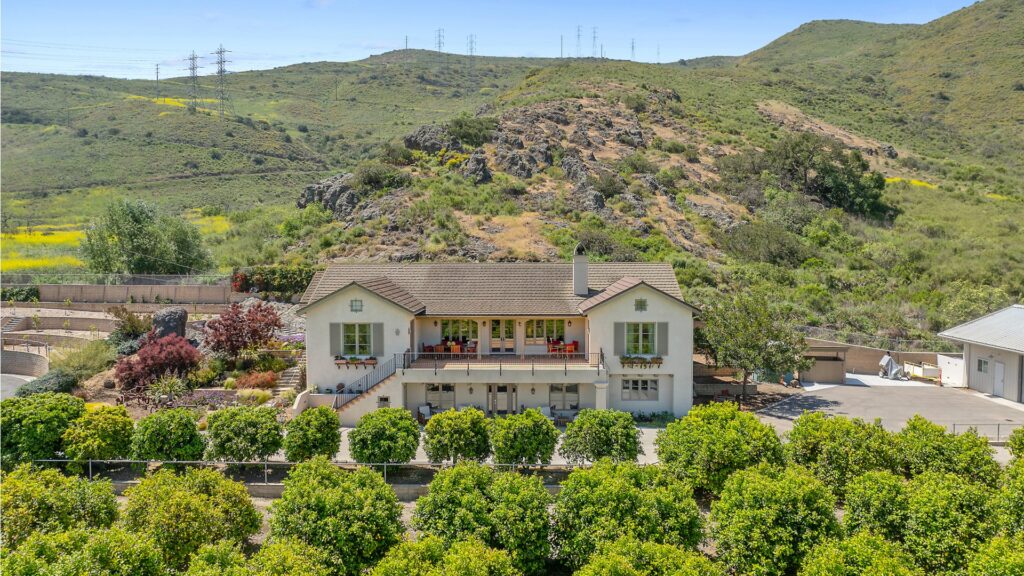
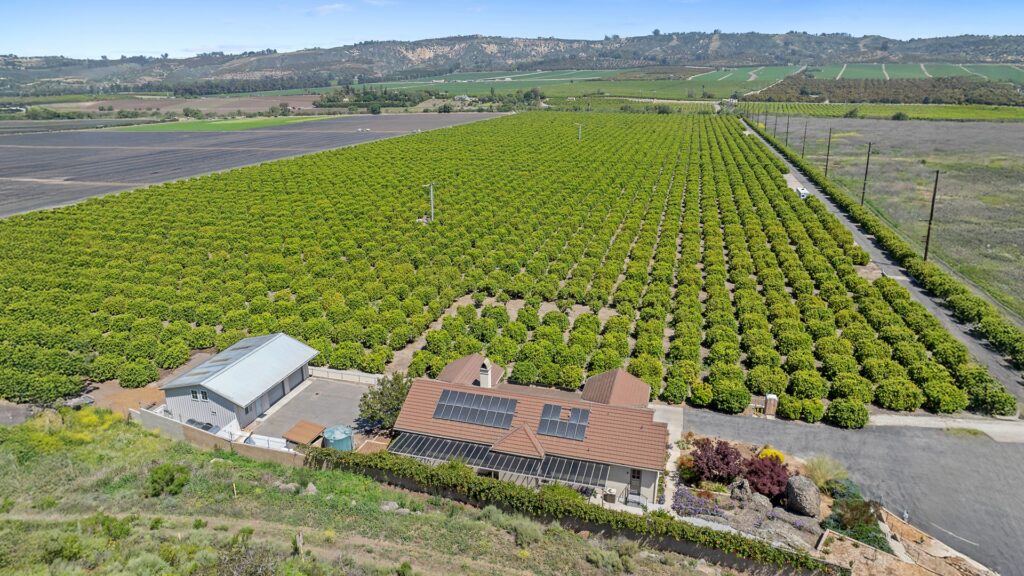
(CLAIR | Santa Rosa Valley, CA) — Just past the winding oaks and citrus groves off Santa Rosa Road, a new kind of senior care home has quietly opened its doors—not in a city, not in a complex, but on a working lemon ranch. The Orchard by Regal isn’t what most people picture when they think of elder care. There are no long hallways or crowded dining rooms. Instead, there are six bedrooms, open skies, and the scent of citrus carried on the breeze. In a valley known more for farmland than facilities, The Orchard is offering something rare: personalized, licensed senior care in a place that still feels like home.
This is the first senior care home ever licensed in the Santa Rosa Valley. It’s a notable milestone for a part of the county that has long been defined by land and legacy rather than services and development. The Orchard offers residential care for older adults who need help with daily living but don’t want to give up the feeling of being at home. It also reflects a deeper shift in how Ventura County is preparing for an aging population.
Nearly 20% of the county’s population is now over 60, according to the 2023 Ventura County Civic Alliance report. In rural areas like Santa Rosa Valley, where services have often lagged behind need, that percentage is likely even higher. Nationally, the data is even more striking: by 2030, one in five Americans will be over the age of 65. By 2060, that number could reach 95 million. This demographic shift isn’t a distant forecast—it’s happening now, reshaping how communities think about housing, healthcare, and aging itself.
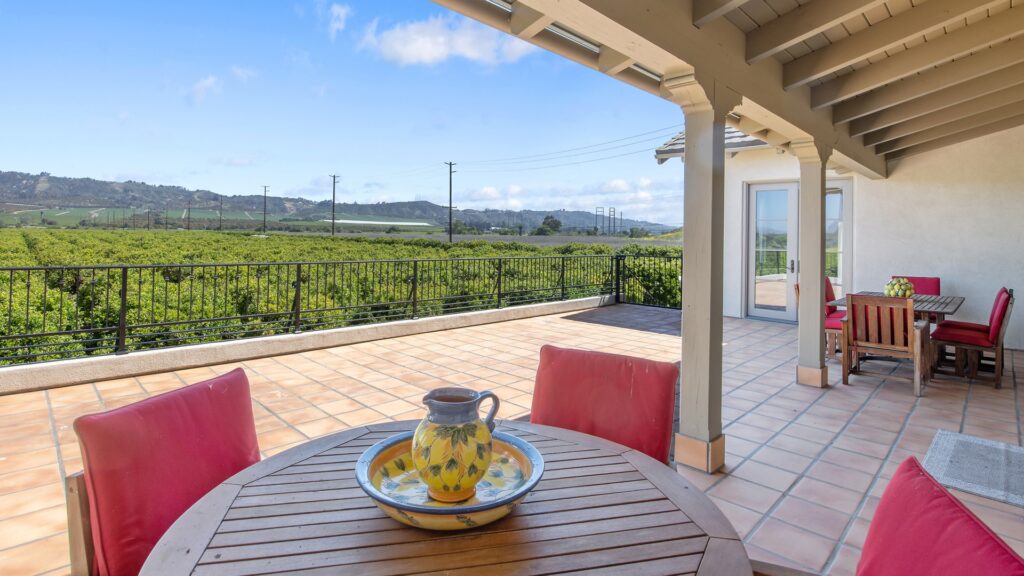
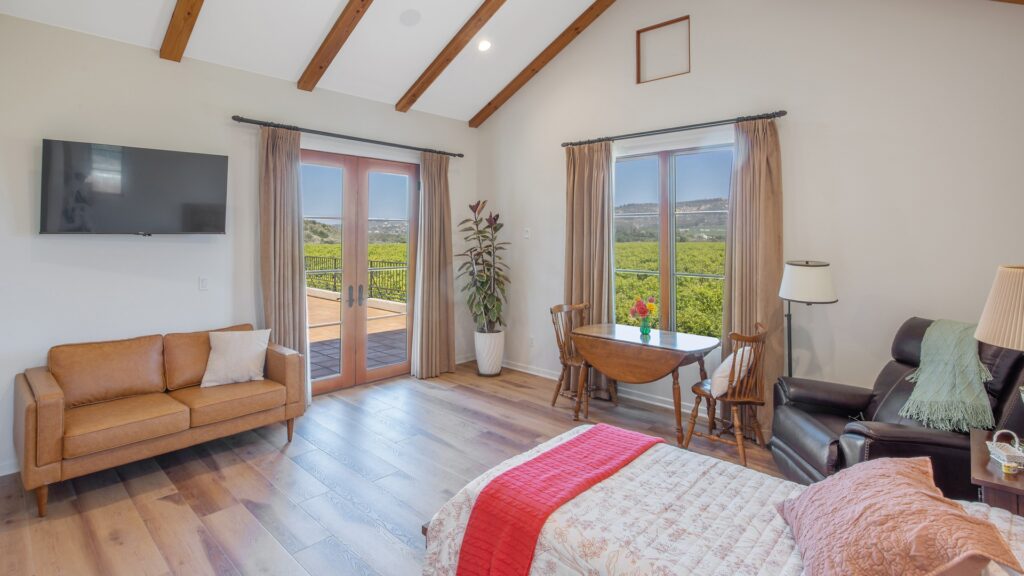
The Orchard was designed with that shift in mind. The home itself was built in 2006 and fully renovated in 2025 to meet the needs of older adults. It includes fully furnished private suites, each with an attached bathroom and a small patio for outdoor visits. Each room is set up not just for safety and accessibility, but for comfort. Beds, recliners, nightstands, and flat-screen TVs are standard. What stands out is the attention to daily life. There are shared living rooms with comfortable seating and views of the orchard. There’s a game table. There’s a shaded patio where residents can sit outside and feel the breeze.
The land around the house is still a working farm. There are 6,000 lemon trees, 100 avocado trees, and several smaller groves of oranges, limes, peaches, nectarines, figs, and berries. Staff say residents will be able to watch the seasonal flow of farm life—harvesting, pruning, irrigation—from the balcony or while walking the grounds. A private terraced orchard was planted just for residents and visitors, where anyone is welcome to pick and eat fruit directly from the trees.
The home’s location is both remote and connected. It’s just a mile from Leisure Village and a short drive to two hospitals and several urgent care centers. But it doesn’t feel like it’s near a city. The home is surrounded by agricultural land and open space. At night, it’s quiet enough to hear crickets. In the morning, you can smell citrus in the air.
What sets The Orchard apart—beyond its setting—is its model of care. It is intentionally small. Only six residents live here. That small scale allows for one-on-one attention that’s hard to achieve in larger assisted living centers. Staff can track each resident’s needs more closely—whether it’s medication schedules, meal preferences, or daily routines. Residents with dementia or memory challenges often benefit from these kinds of stable, low-stimulation environments. Research shows they are less likely to experience anxiety, confusion, or wandering in smaller, quieter homes.
Daily life here is simple, structured, and centered around community. Meals are cooked fresh and shared in a common dining area. Residents are encouraged to participate in activities based on their ability. Family members are welcome and can visit in outdoor or indoor spaces. The staff-to-resident ratio is high—higher than in most institutional care facilities—which means someone is always nearby if help is needed.
The opening of The Orchard comes at a time when more families are looking for alternatives to large-scale elder care. In Ventura County, the cost of long-term care continues to rise. At the same time, older adults are living longer, often with chronic health conditions that require daily monitoring. For families, smaller care homes offer a middle ground—more support than independent living, but more intimacy and flexibility than a large institution.
The history of the property adds another layer to the story. This land was once part of the Mexican land grant known as Rancho Calleguas. It passed through the hands of the Camarillo family, including Juan Camarillo Jr., who gave much of his land away to relatives and friends. The property where The Orchard now sits was part of that legacy and remained in family hands until it was sold just last year. That continuity—of land, place, and purpose—is something the current owners say they want to preserve.
The Orchard is now open to the public for tours and visits during its grand opening weekend:
- Ribbon Cutting and Open House: Friday, May 16, from 10 AM to 3 PM
- Public Tours: Saturday and Sunday, May 17–18, from 11 AM to 3 PM
Location: 8814 Santa Rosa Road, Santa Rosa Valley, CA 93012
Contact: (805) 587-2992 | [email protected]
In an era when elder care often feels removed from everyday life, The Orchard offers a different model—rooted in the land, grounded in personal care, and shaped by the rhythms of a working farm. It may not be for everyone, but for some, it will be exactly what home is supposed to feel like.