 Sylvie Belmond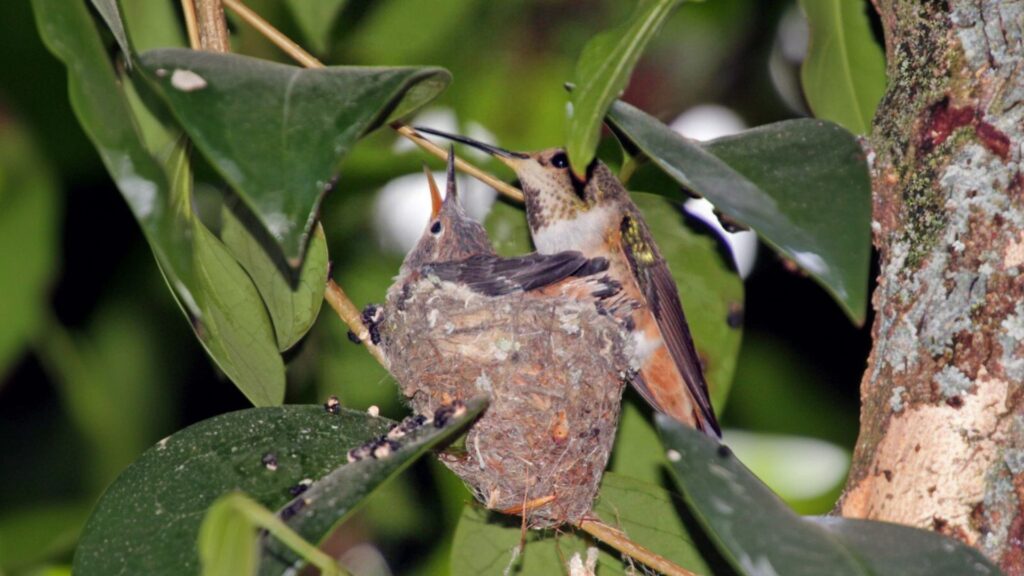
From hummingbirds to hawks, and lizards to lions, everyday wildlife brings beauty, balance and quiet wonder to the spaces we share
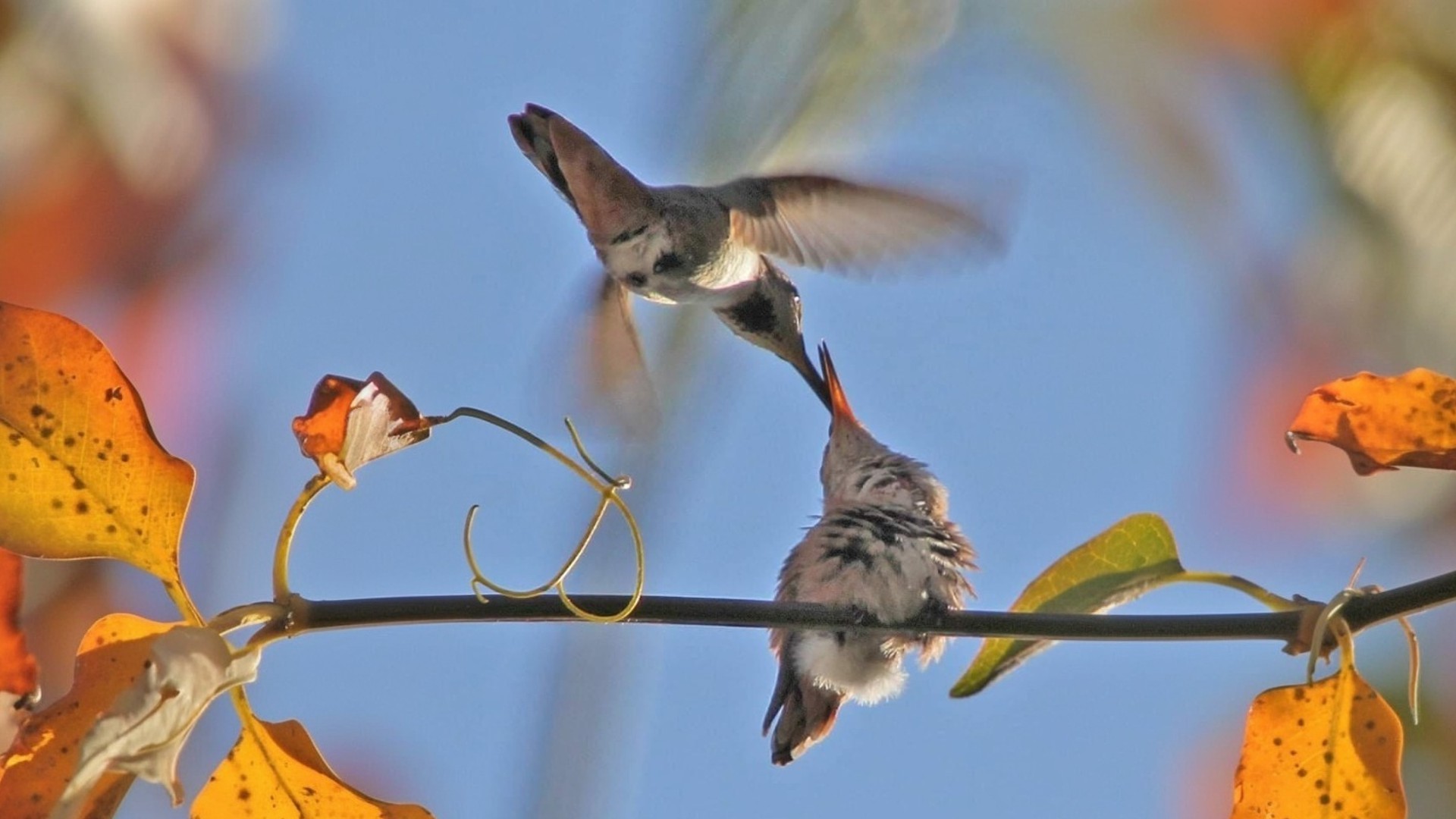
(CLAIR | Simi Valley, CA) — In the quiet of early morning, before traffic hums and the day begins to stir, a tiny shadow flits past the kitchen window. It’s the hummingbird again—the same one, it seems, that visits each day. And when the feeder’s been taken down for cleaning, it hovers impatiently, chirping its high-pitched reminder until the sugar water is returned.
Encounters like these are familiar to many in the area. Watching birds return to the same feeder or seeing a mother dove build a nest in a hanging plant is a quiet joy that plays out across countless yards. From the weaving of the nest to the first wobbly flight of fledglings, these moments connect us to the rhythms of life happening just outside our door. When nesting birds settle close to home, it’s important not to disturb them—keep noise down, avoid peeking too often, and be sure to keep cats indoors.
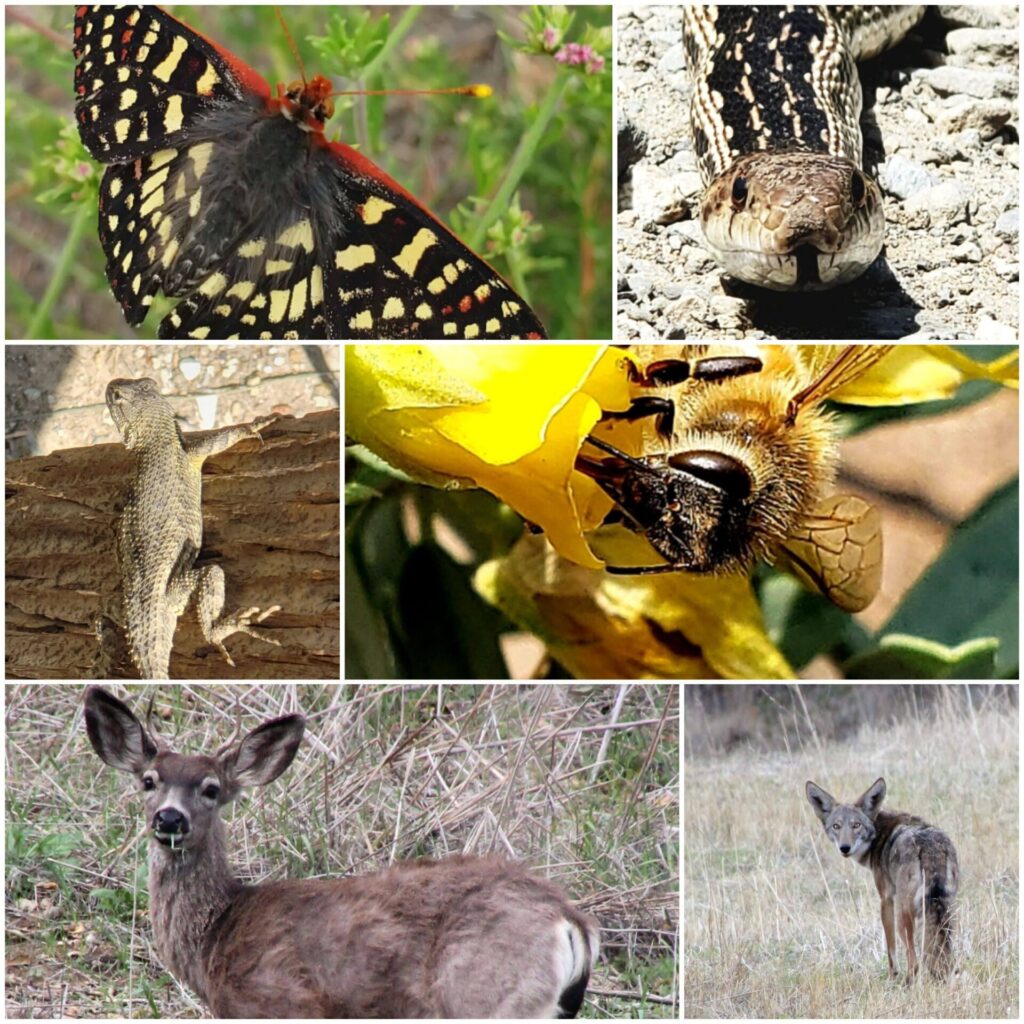
Backyard wildlife comes in all shapes and sizes. Lizards dart between fences and flowerpots, warming themselves on stones. Bees hover from plant to plant, gathering pollen. Squirrels chatter from tree limbs and race along fences. At dusk, you might catch the rustle of a raccoon or the gentle step of a deer passing through. These neighbors are part of the landscape too.
And then there are the sky hunters. Raptors—hawks, owls and even turkey vultures—soar above our neighborhoods on thermals, scanning for movement below. Red-tailed hawks can often be heard before they are seen, helping to control the rodent population. Turkey vultures, with their wide wingspans and distinctive flight, play a critical role in the ecosystem by cleaning up carrion. Their presence is a reminder that not all wildlife is cuddly or tiny—some simply awe us with their power and purpose.
That awe has extended far beyond the backyard, too. Over the past several seasons, thousands of people across California and beyond followed the nesting journey of two bald eagles, Jackie and Shadow, in Big Bear. Through live-streamed cameras operated by Friends of Big Bear Valley (friendsofbigbearvalley.org), viewers watched their eggs hatch and saw eaglets Sunny and Gizmo grow from fluffy chicks to full-fledged birds. People wept, cheered and learned—together—what it takes for raptors to raise a family in the wild. The effort also highlighted how our attention and care, even from a distance, can fuel a deeper respect for nature.
Feeding birds and squirrels has become a routine many people look forward to. It’s calming, even meaningful, to offer something to another living being. But feeding needs to be done with care. For hummingbirds, the right nectar recipe is simple: a quarter cup of plain white sugar dissolved in one cup of clean water. That’s all. According to guidance from the Audubon Society and the Smithsonian’s National Zoo & Conservation Biology Institute, other ingredients—like honey, organic sugar or food coloring—can be harmful. Honey can ferment, and alternative sugars often contain minerals that are tough on a hummingbird’s kidneys. Even red dye, once thought helpful, is unnecessary and potentially dangerous.
Feeders should be cleaned thoroughly every two to three days, especially in warm weather. Dirty nectar can grow mold or bacteria that sickens birds. Similarly, if you’re offering food to squirrels or other animals, stick with natural, unsalted nuts or seeds and avoid processed snacks. Let wild animals stay wild—it’s okay to be helpful, but let’s not make them dependent on us for nutrition.
Water is just as important as food, especially in the heat. But standing water quickly becomes a problem. Mosquitoes breed rapidly in stagnant bowls or birdbaths. That’s why any water offered outdoors should be refreshed daily or kept moving with a small circulating fountain. Even a simple clay saucer with a few pebbles for perching can give bees, birds and butterflies a safe, useful drink—so long as it’s kept clean.
Sometimes the urge to help can create questions. Not long ago, a local Facebook forum featured a post from someone asking what to do with a butterfly that couldn’t fly. According to the Xerces Society for Invertebrate Conservation and Butterfly Conservation UK, newly emerged butterflies occasionally rest with wings that haven’t yet fully formed. If it’s cool or cloudy, a little sun can help them dry and stretch. If the wings are clearly deformed or the insect seems permanently grounded, it likely won’t survive in the wild. While some people create enclosed pollinator habitats for non-flyers, experts generally recommend against feeding butterflies sugar water or fruit unless you’ve researched the proper care. Sticky surfaces and fermentation can create more harm than good.
It can feel harsh to leave a struggling butterfly alone, but sometimes the most respectful thing we can do is to let nature take its course. If you’re unsure, placing the butterfly in a quiet, sunny spot on a flat blossom or stone gives it the best chance to recover on its own.
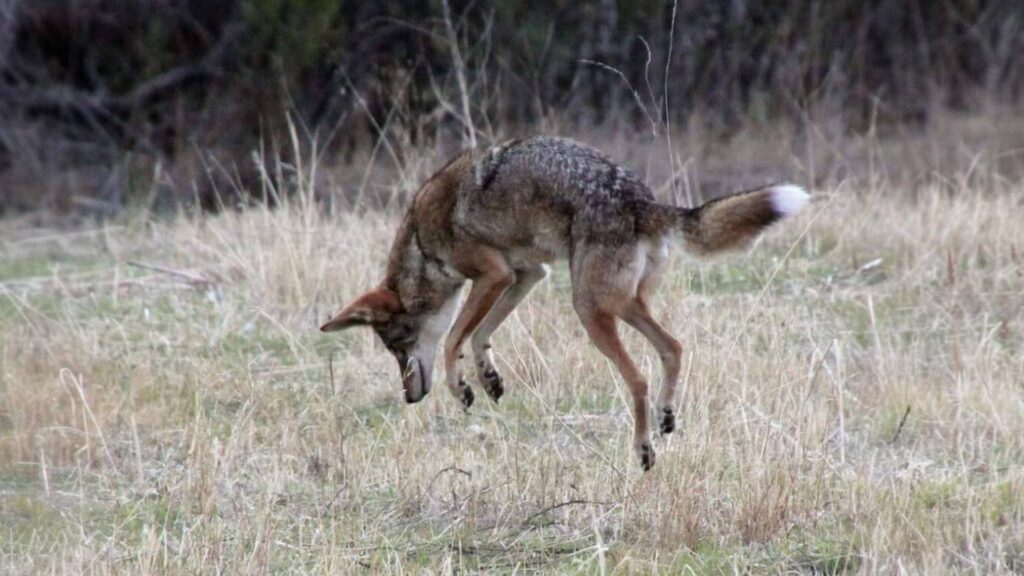
Of course, not all backyard wildlife is small. Coyotes are common in many neighborhoods, especially at dawn and dusk. Bobcats roam too, though they’re usually unseen. Deer sometimes pass through, and raccoons and opossums appear regularly. Occasionally, residents living near the hills report sightings of bears or even mountain lions, especially when natural water sources run low. The California Department of Fish and Wildlife reminds residents to secure trash bins, bring pet food indoors and never intentionally feed larger animals. Coexistence depends on respecting boundaries.
Even so, the presence of these animals reminds us of something important. We’re not the only ones who live here. Our backyards are shared spaces, alive with song, color, movement and memory. Birdsong in the morning has even been linked to improved mood and reduced anxiety, according to research from the Cornell Lab of Ornithology and studies published in Scientific Reports. It takes only a few minutes listening to finches, mockingbirds or sparrows to feel a subtle shift in your day.
In choosing to care for the creatures around us—feeding them thoughtfully, providing clean water, giving them space when they need it—we also care for ourselves. We’re reminded that life continues all around us, quietly, joyfully, just outside the window. And when the hummingbird hovers near the empty hook where its feeder usually hangs, demanding a refill, that’s its way of telling us: we’re part of this world too.