Should Simi Valley Bring Back Its Roaring Motorcycle Past?
 Sylvie Belmond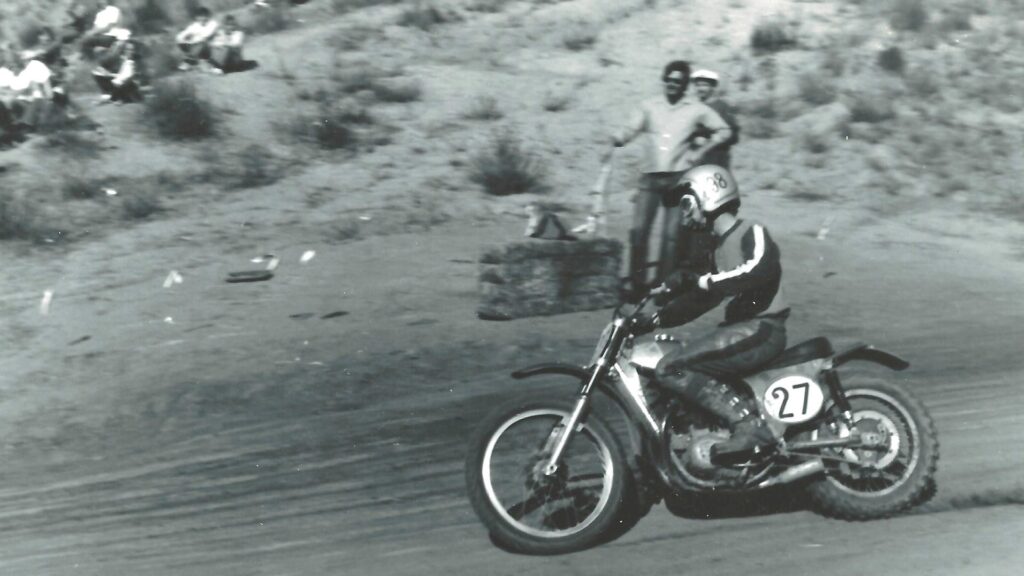
Could a New Motorcycle Track Keep Riders Off Simi Valley Streets?
(CLAIR | Simi Valley, CA) –– Our city has a long, loud and very local love for motorcycles. Ask around and you’ll hear about desert runs, weekend hauls to Gorman, and memories of the Hopetown Grand Prix roaring through Corriganville in the late ’60s and early ’70s. That race drew big names and bigger crowds to Bob Hope’s movie ranch—proof that this valley once embraced two-wheeled competition right in our backyard.
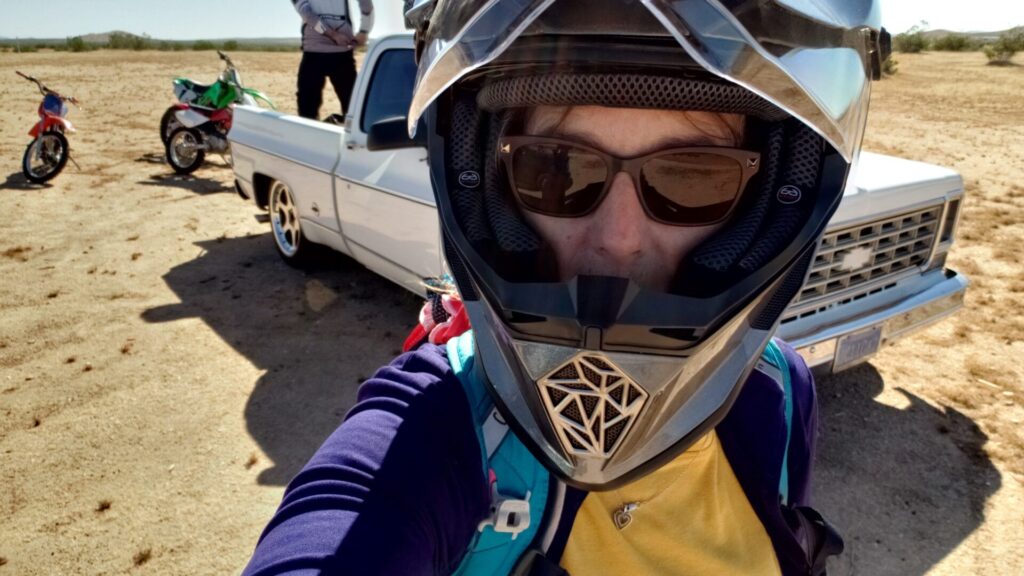
Today, many local riders—kids and adults—load up their trucks and head for the desert. But the drive is long and the options closer to home are limited. That’s why some residents are asking: should Ventura County have a legal dirt-bike track again?
The case for a local track
- Safety and order. A designated, supervised venue gives riders and families a lawful, predictable place to ride—especially teens on electric motorcycles who are riding anyway. It can reduce illegal riding on streets and in open space, where it’s unsafe and clearly prohibited.
- Community and skills. Riding is focus, flow, and freedom. It builds balance, fitness, mechanical know-how, and, yes, smiles. That “in-the-moment” feeling is why people ride.
- Willingness to pay. Riders already invest heavily in their sport—buying OHV stickers, maintaining their bikes, paying day fees at private tracks, and traveling long distances for a chance to ride. That doesn’t apply to kids on e-motorcycles, who usually just want a safe place close to home. Still, the lesson is the same: if someone opens a well-run local venue, people will show up and support it.
Why a waiver alone isn’t enough
Could a simple release make a public or private dirt-bike facility hassle-free? Not in California.
Waivers can cover ordinary negligence but not gross negligence or statutory duties aimed at public safety. California courts have repeatedly said so, and that means operators still need insurance, risk management, and staff. Public entities face the same challenge: even with the state’s “hazardous recreational activity” immunity, costs for claims, insurance premiums, dust, sound, and traffic often decide whether such a project gets built.
E-moto reality: give riders a legal lane
Teens on electric motorcycles are here, regardless of ordinances. A permitted track with designated hours—separate sessions for traditional dirt bikes and e-motos—could keep them off streets and sensitive trails while teaching helmets-up, eyes-up habits. Think coaching clinics, gear checks, and parent waivers as the price of admission.
Our bike culture runs deep
- Corriganville’s racing past. The Hopetown/Corriganville races once made this valley a destination for off-road greats.
- BMX track in transition.The Rancho Simi park district once had the Sycamore BMX raceway, which closed in 2018. Work is underway to establish a new track at a different site.
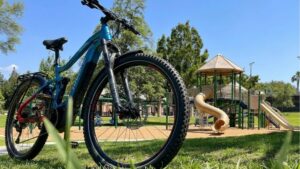
- Shoutout: Sapwi Bike Park in Thousand Oaks. A free-to-ride, volunteer-powered skills park that proves wheels can coexist with neighborhoods—strictly pedal bikes only.
What nearby places already work
For now, locals head out to:
- Hungry Valley SVRA (Gorman): Closest large OHV area with miles of trails. All vehicles must have a valid OHV sticker and meet fire-safety requirements such as spark arrestors. Parts of the park remain closed after the Post Fire.
- Dove Springs & Jawbone Canyon (near Cal City): Open desert terrain with bowls and ridges. Parking and riding are free, but a current OHV sticker is required. The green sticker fee is $54 for two years.
- Cal City MX Park: Private track with practice days and camping.
- Other SoCal tracks like Perris and Glen Helen continue to draw riders for organized practice and races.
We also know from Facebook posts in years past that groups of locals have organized spring outings to Cal City for weekend riding trips.
Could a local track fit here?
If a public agency or private landowner in Ventura County were to consider a new facility—more likely privately run than public—the site would need:
- Buffers from neighborhoods for sound and dust.
- Industrial or remote zoning with access for emergency response.
- A reliable water source for dust control.
- Funding and staffing for insurance, EMT coverage, and regular maintenance.
Why we ride (and why it’s risky)
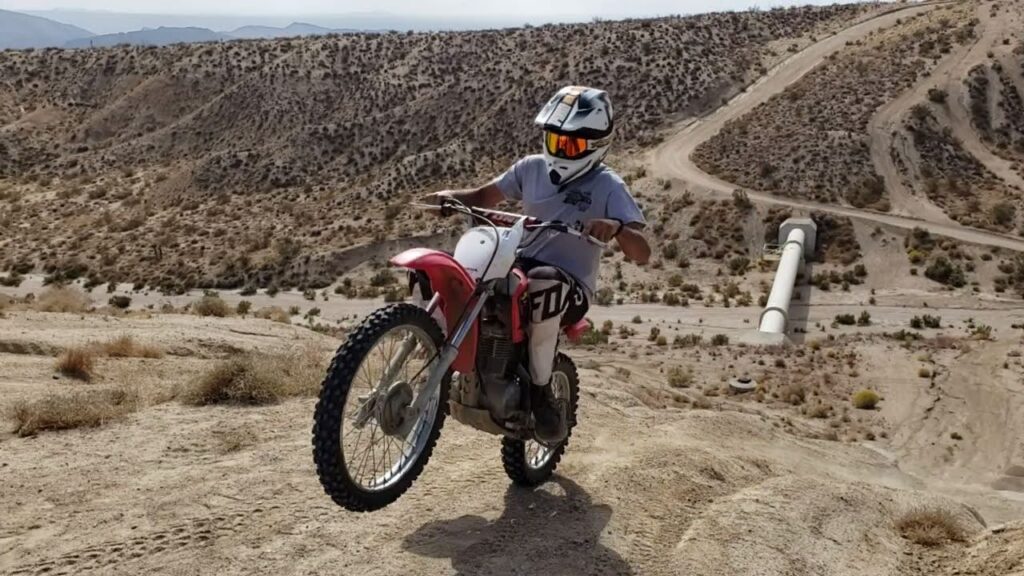
Motorcycle riding is presence. You can’t doomscroll a throttle. It’s commitment, coordination, and pure joy in a way that feels all-American. It’s also dangerous—no argument there—and that’s exactly why sanctioned tracks matter: training, marshals, medical plans, rules. A good track celebrates the “alive” feeling and respects the risk.
Road bikes vs dirt bikes
Both road motorcycles and dirt bikes are beloved, but they serve different passions. Road riders enjoy the rhythm of pavement and the camaraderie of sharing highways, even with cars and trucks around them. Dirt riders, on the other hand, often prefer not to mix with traffic at all—they want jumps, trails and the freedom of off-road terrain. The bikes themselves reflect this: heavier frames and street tires for the road, lighter builds with long suspension for the dirt. Two ways to ride, two very different experiences.
One last local thought
This region’s motorcycle story didn’t start in the desert—it started here. If we want to keep kids off sidewalks and riders out of open space, a legal place to twist a throttle is part of the solution. Done right, a track is a safety valve, a skills classroom, and a community magnet.
Have experience with Cal City spring trips or local clubs? Send us your info. We couldn’t find a public-facing page for a locally organized annual outing, but we’ll update this piece if a group shares details we can verify.