
 Daniel Jordan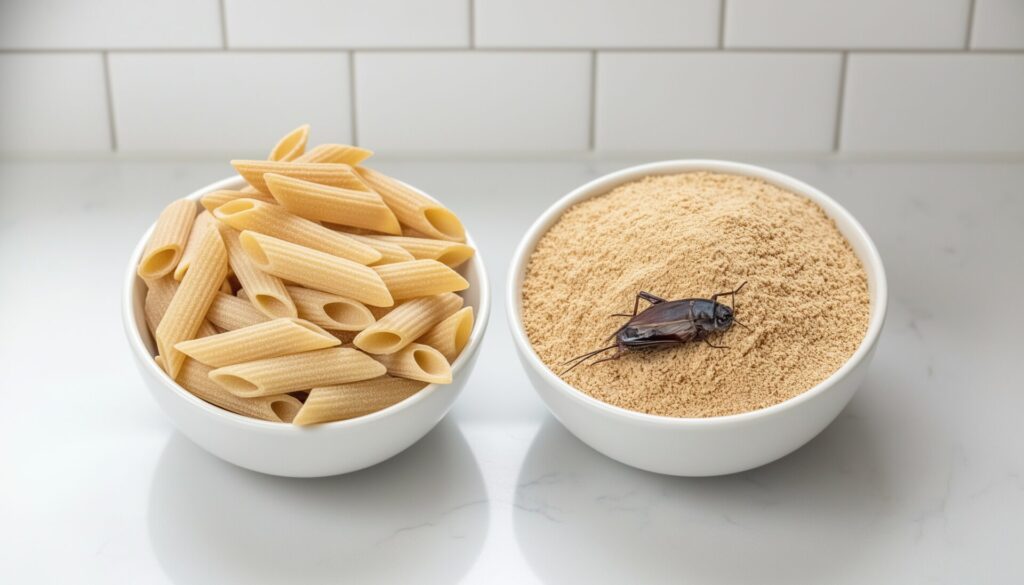
Bugs on the Plate: Why Insects Might Be the Future of Food
(CLAIR | Simi Valley, CA) — If you are vegetarian, vegan, or allergic to shellfish, it’s worth checking labels. Insect protein is animal-derived and may cause allergic reactions in some people. As more food products quietly introduce ingredients like cricket flour or mealworm powder, it’s becoming increasingly important to understand what’s in your food—and why.
While insect protein may sound like a novelty or a stunt, the truth is more practical. Insects offer an efficient, low-impact way to produce protein, and companies across the globe are working to bring them into the mainstream. From snack bars to pasta, powdered insect ingredients are already on shelves, often without much fanfare.
Why Insect Protein Is Being Considered
There are several factors pushing the insect protein conversation forward:
- Global protein demand: As the population grows, so does the need for sustainable protein sources. Traditional livestock production cannot keep pace without causing significant environmental damage.
- Environmental benefits: Insects require less land, water, and feed than cattle or pigs. They also produce fewer greenhouse gases.
- Nutritional value: Many insects are high in protein, essential amino acids, vitamins, and minerals. They can be turned into powders or flours and blended into other foods.
- Food waste conversion: Some insect farms feed their stock with food waste, turning low-value leftovers into high-protein biomass.
Current State of the Industry
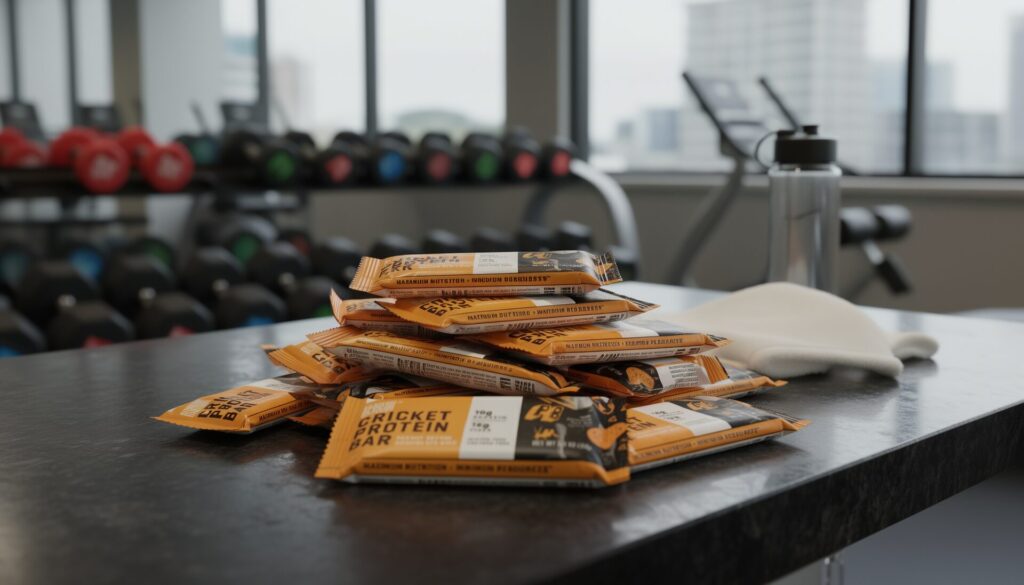
The insect protein industry remains small, but it is growing. Most of the current insect protein production goes into animal feed, including for fish and pets. However, companies are starting to produce bars, powders, and snacks for people.
- Market growth: Industry analysts project the global insect protein market will grow to $1.5 billion by 2030.
- Product types: Protein bars made from cricket flour, baking mixes, chips, and pasta blends are all being developed.
- Main players: Companies like Aspire Food Group, All Things Bugs, and Ÿnsect are investing in farming and processing insects like crickets, mealworms, and black soldier fly larvae.
- Regulatory progress: The European Union has begun approving specific insect-based ingredients for human food. Similar conversations are starting in the U.S.
Barriers to Wider Adoption
- Consumer resistance: Many people in the U.S. are uncomfortable with the idea of eating insects. Products using cricket flour or insect powder aim to make the ingredient less visible.
- Regulation: Food safety regulations for insect-based human food are still evolving. Producers must address allergen risks and contamination.
- Cost and scale: Insect protein is still more expensive than soy or pea protein. Scaling production could bring prices down.
Future Possibilities
In the next decade, insect protein may become more common in the following ways:
- Blended foods: Expect more baked goods, pastas, and snacks that include insect flour as a partial protein source.
- Animal feed expansion: Insect meal for pets and livestock is already growing and may support broader industry scaling.
- Sustainability push: Insect farms that use food waste and require fewer inputs could gain support from environmental policymakers.
- Increased labeling: Clearer labels like “cricket flour” or “Acheta protein” may help consumers make informed choices.
What It Means for Consumers
If you shop anywhere in the U.S., including Simi Valley, you may see more foods containing insect ingredients in the near future. These might be protein bars, high-protein pastas, or even snack chips. If you are vegetarian, vegan, or allergic to shellfish, it’s important to read labels carefully. Insect protein is animal-derived and may cause allergic reactions in some people.
Insect protein will not replace meat or plant proteins overnight. But it may become one more option in a growing list of protein sources.
Final Thoughts
Insect protein offers a lower-impact, nutrient-dense alternative to conventional animal proteins. Its future depends on regulation, cost, consumer acceptance, and industry scaling. While it may seem unfamiliar now, its role in future food systems is worth watching.
As new food trends take hold, understanding what you eat—and why it matters—is more important than ever. Insect protein may not be on every plate yet, but the groundwork is being laid.