We All Love Delivery. But Is It Killing Simi Valley’s Restaurant Scene?
 Daniel Jordan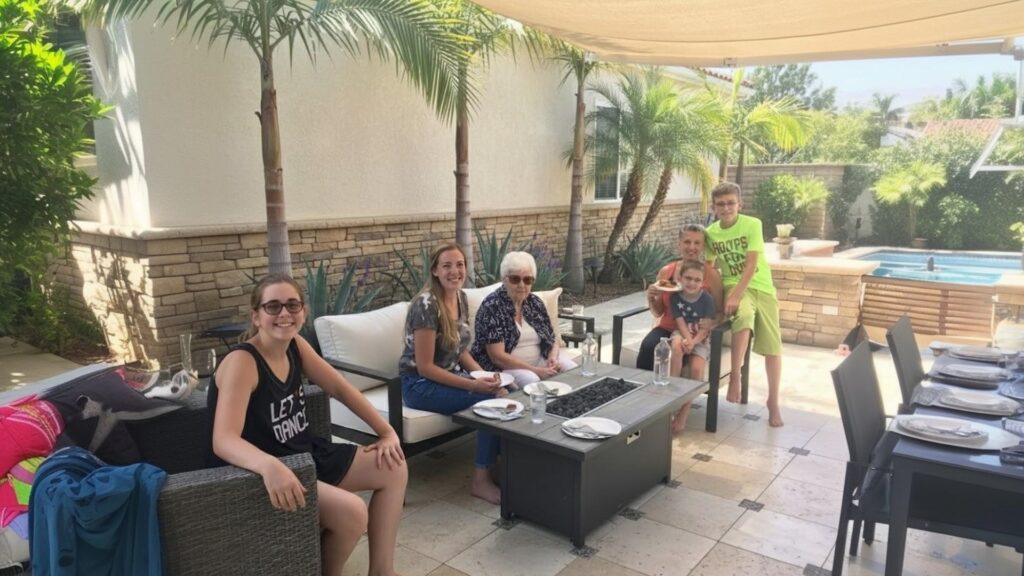
How Delivery Apps Are Quietly Draining Simi Valley’s Restaurants and Nightlife
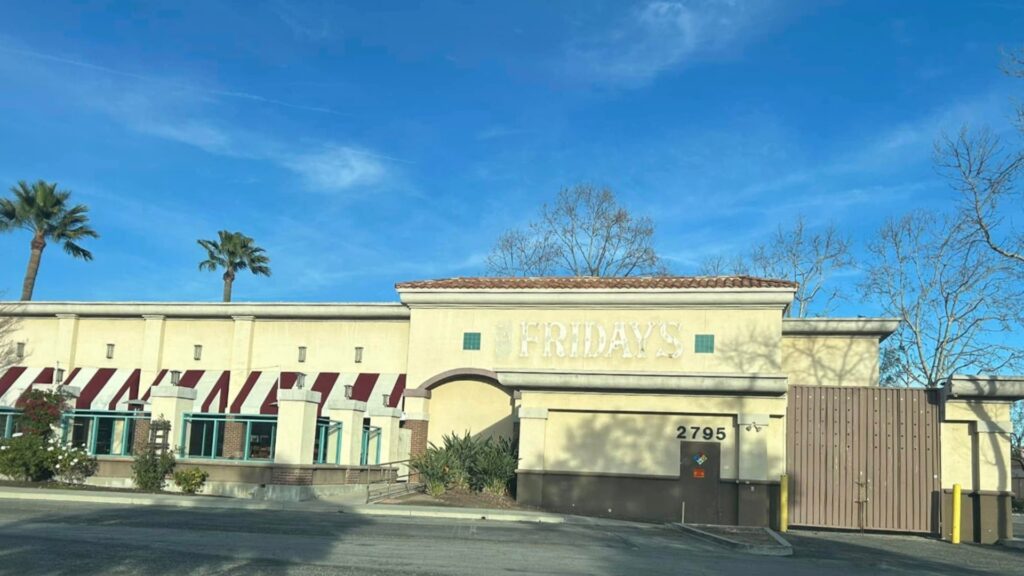
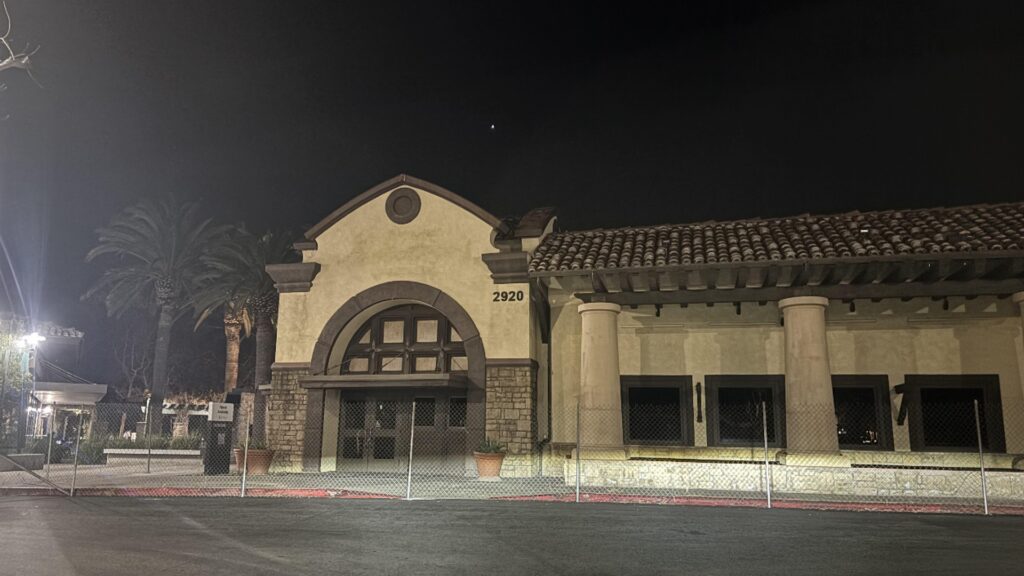
(CLAIR | Simi Valley, CA) — For years, Simi Valley has watched good restaurants open with excitement and close with frustration. A new sign goes up, the buzz builds, and for a brief moment the city feels alive. Then, too soon, the lights go dark. We shake our heads, post our regrets, and ask the same question every time: Why does this keep happening?
The answer isn’t complicated, but it is uncomfortable. If we want restaurants to stay, we have to go.
A City Built for Comfort, Not Curiosity
Simi Valley was built for families, for backyards, for comfort and space. That’s part of what people love about it — and part of what makes running a restaurant here so hard. Residents enjoy the quiet life: the backyard barbecue, the familiar takeout spot, the easy drive to another city when they want something special. We talk about wanting better options close to home, but too often, we spend our weekends and special occasions elsewhere.
When a new restaurant opens, the crowds show up at first. The excitement builds, the social media posts roll in, and the place hums with promise. Then, slowly, the crowds fade. The habit of eating in returns — home cooking, delivery, convenience. Without consistent local support, even a great restaurant can’t last long.
The New Normal of Staying In
The shift to delivery culture began before the pandemic, but 2020 sealed it. When dining rooms closed, food delivery apps became lifelines. DoorDash, Uber Eats, and Grubhub kept kitchens alive when customers couldn’t come inside. Between 2020 and 2021, delivery sales in the U.S. tripled. What started as necessity turned into habit.
By 2024, nearly three out of every four restaurant meals in America were eaten somewhere other than a restaurant. The numbers are staggering: delivery orders more than doubled from 2019 to 2024, and 41 percent of people now say delivery is “an essential part of their lifestyle.” For many, eating out became the exception, not the rule. As Ellen Cushing, writer for The Atlantic, put it, we have become “a nation of order-inners.”
Convenience became culture. And as that culture spread, something quietly shifted. Restaurants built for gathering became logistics centers. Meals turned into transactions. The food still arrived, but the experience — the reason restaurants existed in the first place — did not.
Why Simi Has Fewer Dining Options
Simi Valley’s restaurant market is tougher than it looks. Rents are high, margins are razor-thin, and the customer base is divided between commuters who eat near work and families who prefer staying home. According to the US Census Bureau, the city’s median household income is around $118,000, yet much of that spending on dining still flows out of town — toward Thousand Oaks, Westlake Village, or the San Fernando Valley.
Nationwide, about one in three full-service restaurants has already redesigned its space to make room for delivery shelves, lockers, or pickup windows instead of tables. Even the places built for gathering are being reengineered for solitude. It’s a quiet transformation — one that favors efficiency over atmosphere and convenience over connection.
The result is a fragile local dining scene. Independent owners take risks with heart and hope, but without a steady base of diners, they can’t survive. They can’t build culture on occasional visits.
The Value of Showing Up
When people eat in person, they don’t just spend more money — they bring more life. Nationwide, a dine-in customer spends about $54 per visit, compared to $38 for delivery. That extra spending covers wages, rent, maintenance, and the margin that allows a business to grow. More importantly, it brings energy back to the community.
Every delivery order sets off an invisible machine: a driver rushing through traffic, a kitchen turned into a pickup counter, a meal bundled in paper and plastic doing its best to survive a trip it was never meant to make. It’s efficient, but it’s not connection. The real cost of convenience is the loss of experience — the clink of glasses, the hum of a dining room, the feeling of being part of something shared.
When people gather in restaurants, they do more than eat. They invest in their city’s rhythm. They remind one another that community is built in moments of presence — not just transactions of convenience.
Blue Fin Grill: What Real Dining Feels Like
The consensus discussed among area chefs is that restaurants used to sell an experience, and now they sell a commodity. That’s the quiet cost of the delivery era. But in Simi Valley, a few places still push back against that trend.
One such example is Blue Fin, one of the few restaurants in town where dining still feels like an occasion. It’s not just the seafood, or the precision on a plate — it’s the experience. Many guests are greeted by name. The chef moves through the dining room, talking to regulars, sharing a laugh with the servers. The staff doesn’t rush you out; they invite you to stay.
That kind of connection can’t be packed into a to-go box. You have to be there to feel it. Restaurants like this reminds us what we lose when we settle for convenience — the warmth of service, the artistry of presentation, the simple joy of slowing down for something real. It proves that dining isn’t just about finishing a lifeless container of food.
A Call to the City
If we want better restaurants in Simi Valley, we have to earn them. We can’t just wish for them — we have to support them. That starts with small, consistent choices. Try a local restaurant instead of ordering delivery. Make Friday nights a night out, not a night in. Celebrate milestones here, not in LA.
Every filled table sends a message that Simi Valley is worth investing in — not just for developers and planners, but for chefs, entrepreneurs, and dreamers who want to build something lasting.
Why It Matters
Simi Valley has the people, the pride, and the potential. But what it needs more than anything is participation. Restaurants don’t just feed us; they create gathering places, memories, and momentum. They give a city its culture and its soul.
Because in the end, a restaurant that doesn’t serve people isn’t really a restaurant — it’s something else. And a city that stops showing up for its restaurants stops showing up for itself.
If we want more options, we can’t wait for them to appear. We have to help them thrive. The next time you wonder why good restaurants keep closing, look closer. The answer just might be that plastic bag set on your doorstep.