The Airbnb Question: Can Simi Valley Stay in Control of Its Future?
 CLAIR Editorial Staff
A Way Forward: Simi Valley’s Next Step on Short-Term Rentals
(CLAIR | Simi Valley, CA) — Simi Valley’s reputation has always rested on what people here value most — safe streets, family neighborhoods, and pride in ownership. Those ideals built the city’s identity. But as short-term rentals quietly expand into more neighborhoods, Simi faces a familiar question: will it shape its own future, or let others shape it for them?
Many residents still oppose STRs outright, citing fears of noise, parking, and neighborhood disruption. But a growing group of homeowners, planners, and civic leaders say it’s time to face reality: these rentals already exist — and pretending otherwise won’t make them go away.
To them, regulation isn’t about growth for growth’s sake. It’s about protecting Simi’s character by managing what’s already happening.

A Market That Already Exists
When one resident began looking into the scope of STR activity in Simi Valley, they found more than a few listings. During an October council meeting, they described how “a quick search shows at least a hundred illegal short-term rentals across the city,” from converted barns to hidden backyard units.
That revelation confirmed what many already suspected: STRs aren’t coming — they’re here. The city simply has no system to identify or regulate them.
At the same meeting, a pair of longtime residents urged the council to take action, warning that without clear rules “neighborhood hotels” would continue to appear unchecked. Their concerns were echoed by others frustrated by a lack of enforcement and consistency.
But a different kind of argument also emerged — one that emphasized control, not prohibition.
Regulation as Local Control
Those calling for regulation believe Simi Valley has reached the point where doing nothing is the riskier path. Their message is that a clear ordinance doesn’t create a new problem; it simply brings an unregulated market under local authority.
Simi Valley’s tourism official, Anthony Angelini, points out that without rules, city staff can’t track properties, neighbors can’t resolve complaints, and police can’t intervene effectively. He describes regulation as the act of giving the city “the tools to protect what residents already value — their peace and their streets.”
Councilmember Rocky Rhodes expressed a similar view during a recent business roundtable, noting that new state legislation “will guide how the city approaches regulation” and help make STRs “a productive part of our community.”
That legislation — Senate Bill 346, signed by the governor in October — gives cities new powers to require STR platforms like Airbnb and VRBO to share property data, display local license numbers, and collect and remit taxes on behalf of hosts. Proponents say this new authority creates the chance to build an ordinance that finally puts Simi Valley back in control.
Fairness for Residents and Businesses
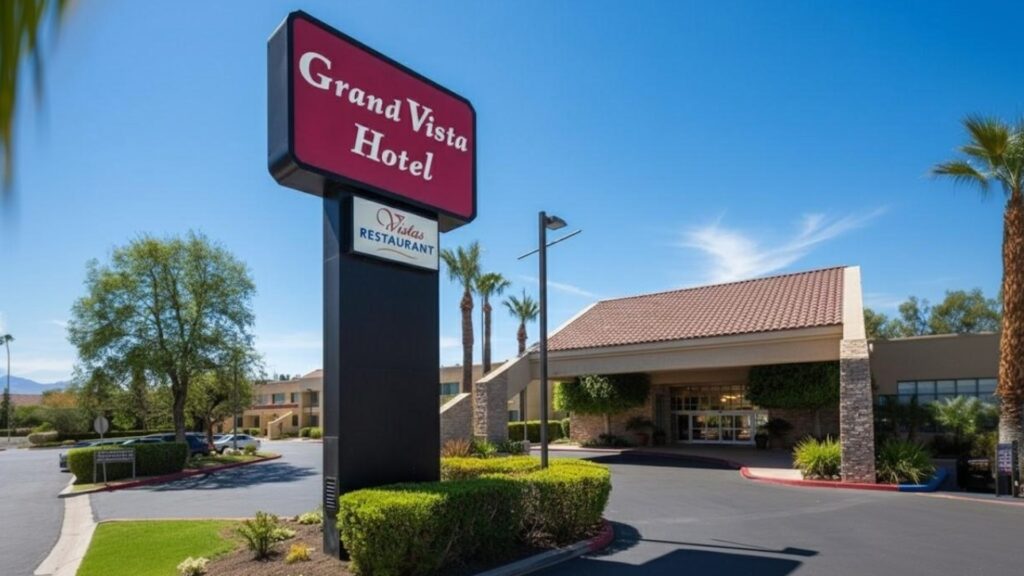
One of the main arguments Angelini points out for regulation is fairness. Hotels in Simi Valley already contribute through the Transient Occupancy Tax (TOT) and a 2 percent assessment that funds the Simi Valley Tourism Marketing District (TMD).
That district, administered by the Simi Valley Chamber of Commerce, was renewed unanimously by the City Council last year and raises roughly $400,000 a year to promote local attractions, events, and small businesses.
Angelini, who oversees the program, said during the renewal process that the district’s purpose is to invest those funds “in ways that benefit the city and align with its mission.” With STRs paying their share, those benefits could expand to neighborhood patrols, park maintenance, and beautification projects — without increasing taxes on residents.
“Fairness cuts both ways,” Angelini said. “If hotels contribute to city services, STR hosts should too. Every guest night should support the community they’re visiting.”
Protecting Neighborhoods Through Policy
Residents who support a more comprehensive STR strategy also emphasize the need for strong safeguards to protect neighborhood peace.
They point to other California cities where rules have been successful. In Ventura and Paso Robles, for example, local ordinances limit STRs to primary residences, cap the number of days per year they can operate, and require hosts to respond quickly to complaints. After those rules took effect, noise and nuisance issues dropped.
Simi Valley could adopt similar standards — limiting STRs to owner-occupied homes, establishing clear quiet hours, enforcing parking limits, and requiring a 24-hour contact for each listing.
These steps, Angelini says, “don’t weaken Simi’s neighborhoods — they keep them safe by setting expectations everyone can understand.”
A Lesson From the Past
For many of Simi’s residents, the STR debate fits into a larger conversation about growth and opportunity. They argue that the city’s cautious approach to change — while well-intentioned — has sometimes come at a cost.
They point to the controversial apartment projects, restaurants that have shut down, and businesses that chose other cities when Simi couldn’t commit to a clear path forward. To them, STRs are another example of a familiar pattern: a community that wants to protect its identity but sometimes confuses caution with control.
“Just saying no doesn’t make problems disappear,” one homeowner said after a recent council meeting. “If we don’t step up and design a plan that works for Simi Valley, someone else will do it for us — and we’ll lose the ability to decide how our neighborhoods grow.”
Using State Law to Strengthen Local Power
SB 346 provides a new opportunity to take that leadership role. Under the law, cities can now require STR platforms to provide addresses, assessor parcel numbers, and listing links — giving local governments precise data for enforcement. They can also compel platforms to display valid permits and transient occupancy certificates.
For a city like Simi Valley, which has struggled to track and tax unregistered rentals, this represents a major shift. Instead of chasing compliance property by property, the city can now require the platforms themselves to share information and ensure taxes are paid.
A local policy analyst described the new law as “finally giving cities leverage,” saying it “moves responsibility upstream, where it belongs.”
Building on a Proven Model
The infrastructure to collect and reinvest visitor revenue already exists. The TMD, renewed through 2034, shows that Simi can manage tourism funding transparently. Hotels have embraced the program after seeing how it supports the entire business ecosystem — restaurants, retail, and events.
During the renewal vote, one council member noted that the district’s continuation had the support of every local hotel — calling it “a strong sign that Simi’s business community believes in working together to strengthen the local economy.”
Advocates for regulated STRs say the same logic applies to home-based hosts. With the right ordinance, STRs could be folded into the existing structure, contributing to the same pool of tourism revenue that already funds civic marketing and community projects.
A City That Chooses Leadership
For those urging action, the issue comes down to leadership and balance. They believe Simi Valley can preserve its calm, family-centered character while adapting to economic and cultural change.
They view STR regulation as one step in a broader strategy to keep Simi self-reliant — a city that chooses its own course rather than waiting for outside mandates.
As Angelini put it simply during a recent community forum: “Regulation doesn’t mean losing what we love. It means keeping what we love by staying in control of it.”
The Road Ahead
Simi Valley now has the chance to turn a growing challenge into a structured solution. By designing a strong ordinance that limits STRs to primary residences, enforces neighborhood protections, and channels new tax revenue into local improvements, the city can protect its character while planning for the future.
The people pushing for that approach aren’t asking Simi Valley to change who it is. They’re asking it to manage change on its own terms — to lead instead of react.