 Sylvie Belmond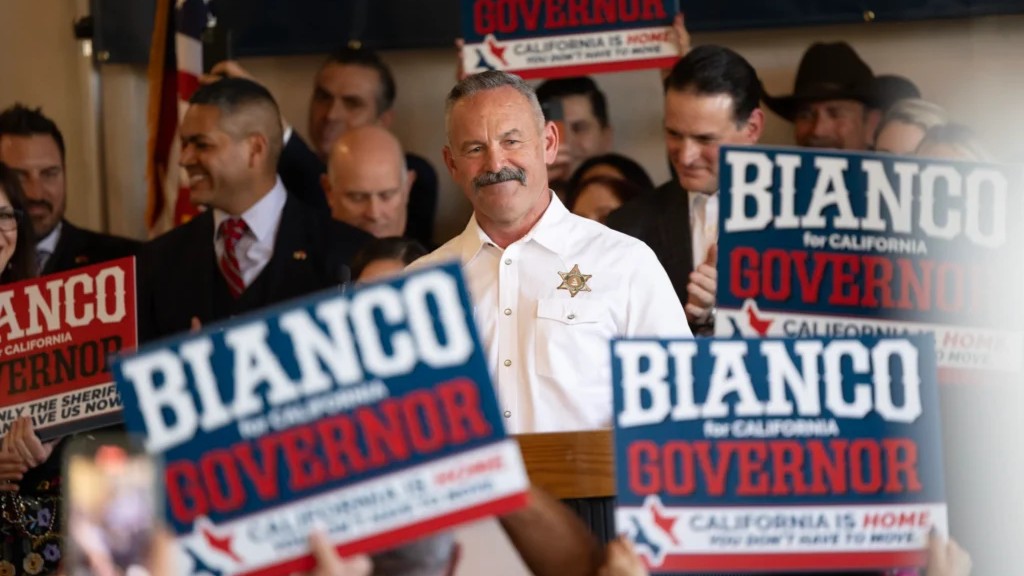
(CLAIR | Simi Valley, CA) — If stepping up has ever crossed your mind, this is when the work begins. Ventura County residents now have a chance to put their names forward, whether for governor, Congress or the county supervisor seats.
The 2026 election cycle is underway, and the choices voters make — from Sacramento to Districts 2 and 4 — will shape everything from statewide housing policy to how Ventura County manages growth and plans its next decade. With Gov. Gavin Newsom termed out, California is heading into an open race for the state’s highest office.
The first deadlines arrive before most voters even realize the cycle has begun. Beginning Dec. 19, anyone considering a run can start collecting signatures to reduce the cost of getting on the ballot. These signatures work like coupons — the more valid ones a candidate gathers, the less they pay in filing fees, and enough of them can wipe the fee out entirely.
According to the California Secretary of State’s candidate filing guide, the fee to run for governor is 2% of the office’s annual salary, a little over $4,300 unless reduced with signatures in lieu. Ventura County Clerk-Recorder and Registrar of Voters Michelle Ascencion said in a statement that this early window gives prospective candidates a chance to lower costs, organize and decide whether they want to take the next step when formal filing opens in February.
Ventura County sets its own filing fees for county offices, including supervisor, and those amounts are released with the county’s candidate filing guide. Anyone considering a run can start reducing their eventual fee now through signatures in lieu, which the Elections Division will verify before nomination papers are issued.
Up for Grabs
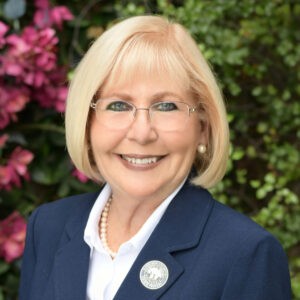
Locally, voters will decide who represents Districts 2 and 4 on the Board of Supervisors. District 2 includes Thousand Oaks, Newbury Park, Oak Park, Lake Sherwood, Westlake Village, parts of Camarillo and Santa Rosa Valley. District 4 includes Simi Valley, Moorpark and surrounding communities. Incumbents Jeff Gorell and Janice Parvin are serving their first term. These two seats carry direct influence over land use, transportation, growth decisions and the county’s remaining agricultural areas — issues residents see every day.
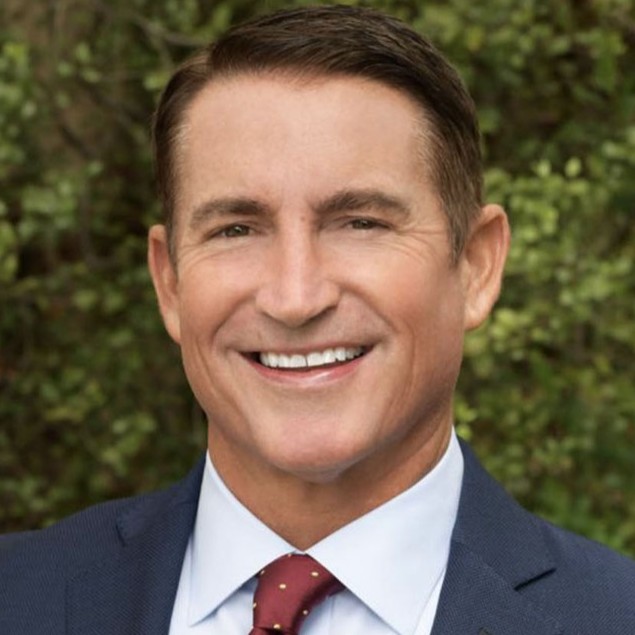
Because California uses a top-two primary, the June ballot will narrow each race to the two candidates with the most votes, regardless of party, unless someone wins a majority outright.
High Stakes
With Gov. Gavin Newsom termed out, an open contest for the state’s highest office is taking shape. Several prospective contenders are already making their case to voters.
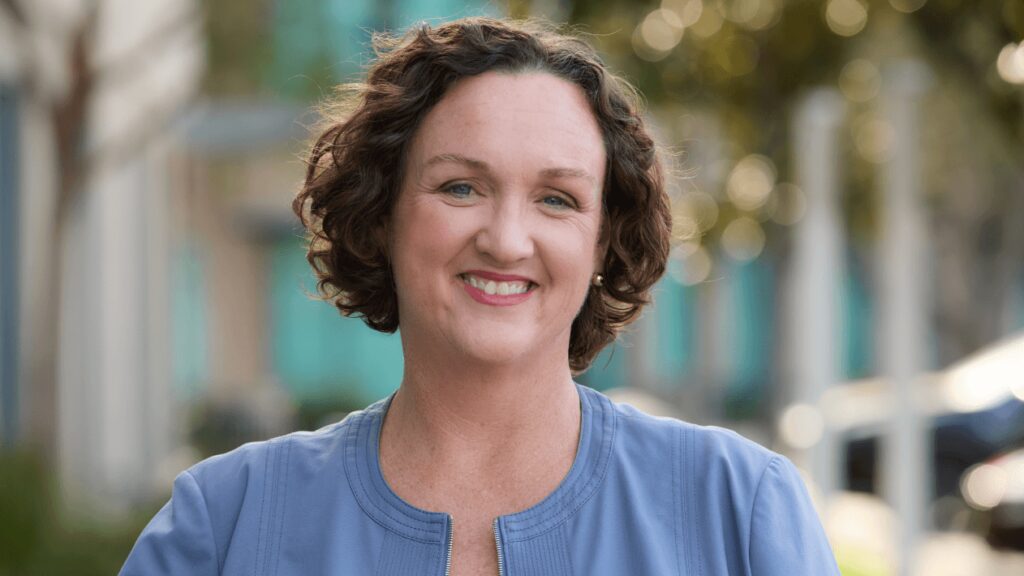
Former Congressmember Katie Porter strikes an upbeat, roll-up-your-sleeves tone on her campaign site, saying “what California needs is a little bit of hope and a whole lot of grit.”
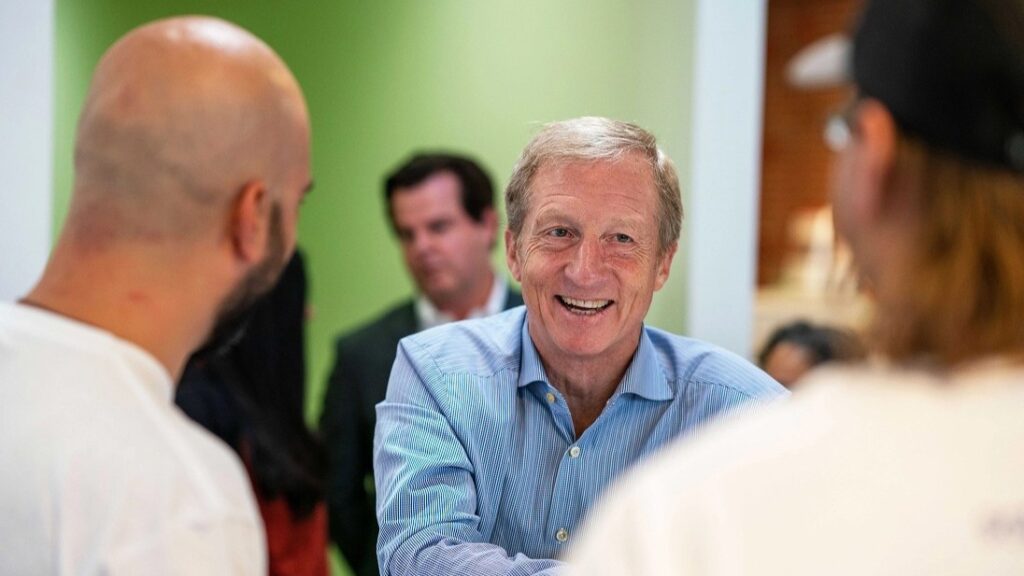
Investor and climate advocate Tom Steyer centers on affordability, writing that “Californians deserve a life they can afford” and arguing the crisis “won’t be solved by the same politicians who got us here.”
Conservative commentator Steve Hilton calls for a course correction, urging Californians to “let’s make California golden again” because “everyone can see how badly things have gone off track.”
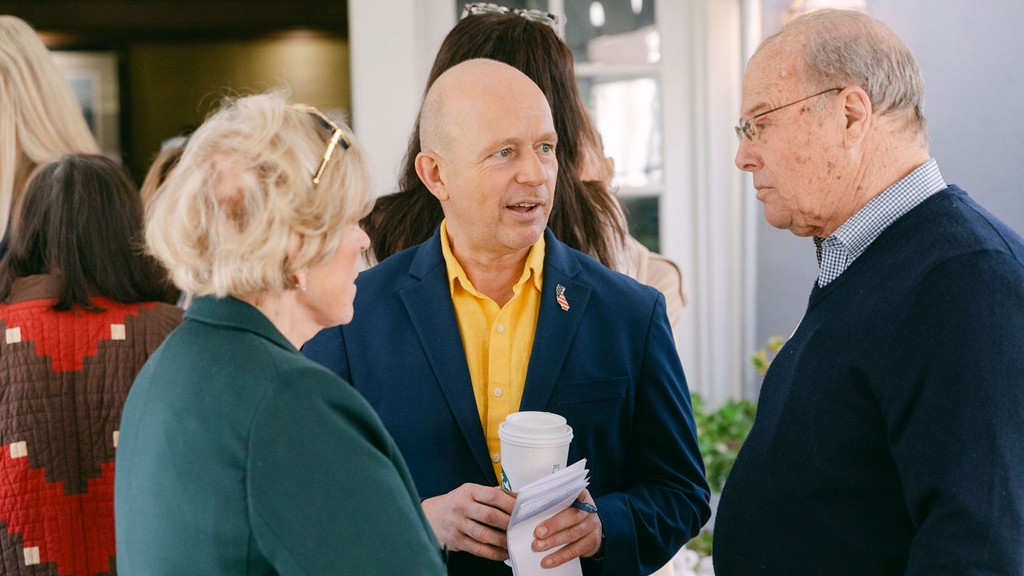
Riverside County Sheriff Chad Bianco echoes that sentiment on his site, pledging “we can and will restore the California dream for all.”
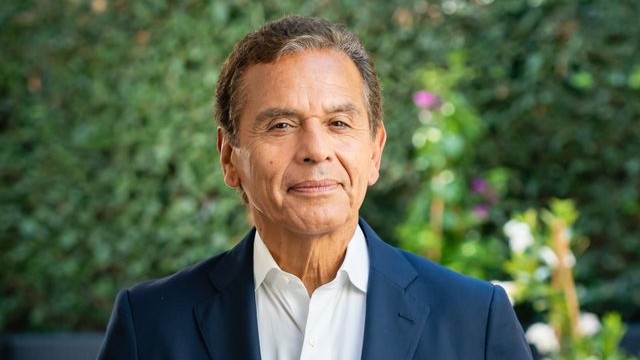
Former Los Angeles mayor Antonio Villaraigosa leans on his long record in public service, saying, “I don’t run from tough problems, I solve them.”
These early messages offer a glimpse of the race, but they also highlight the gap between campaigning and governing — once in office, even well-defined promises meet the limits of budgets, legislation and competing priorities.
More Races on the 2026 Ballot
Ascencion’s announcement on Dec. 10 also outlines a long list of offices where candidates can use signatures in lieu to reduce filing fees. These include congressional districts 24, 26 and 32, statewide offices such as lieutenant governor, secretary of state, attorney general, state treasurer, state controller, insurance commissioner, state board of equalization and multiple state Assembly seats. Judicial offices and county roles such as assessor, auditor-controller, clerk-recorder, treasurer-tax collector and county superintendent of schools are also up for grabs.
Together, these contests will determine who oversees budgets, development, public safety, education and the long-term planning decisions that shape daily life in Ventura County.
The Starting Line Is Here
Even if June feels far away, the deadlines come fast. Signatures in lieu run from Dec. 19 to Feb. 4, and the formal declaration and nomination period begins Feb. 9.
For anyone who has looked at their city, their county or their state and believed they could help lead it — this is the moment to step forward. The 2026 race is open. The early field is forming. And Ventura County’s future will be shaped not only by who becomes governor but by who chooses to serve right here at home.
In the end, the message is simple: leadership doesn’t just belong to the familiar names on the ballot. It belongs to anyone willing to do the work, navigate the deadlines and put their vision before voters.