
Cold Temps Got You Down? Be Grateful We’re Not in Buffalo: The Day Niagara Falls Froze Solid
 Daniel Jordan
(CLAIR | Simi Valley, CA) — Simi Valley residents woke up to chilly mornings this week. Temperatures dipped into the low 40s. Some of us even had to scrape frost off our windshields.
But before we complain about our “cold snap,” consider this: we live in one of the most temperate climates in America. We don’t shovel snow. We don’t chip ice off our driveways. And our water never stops flowing because the source froze solid.
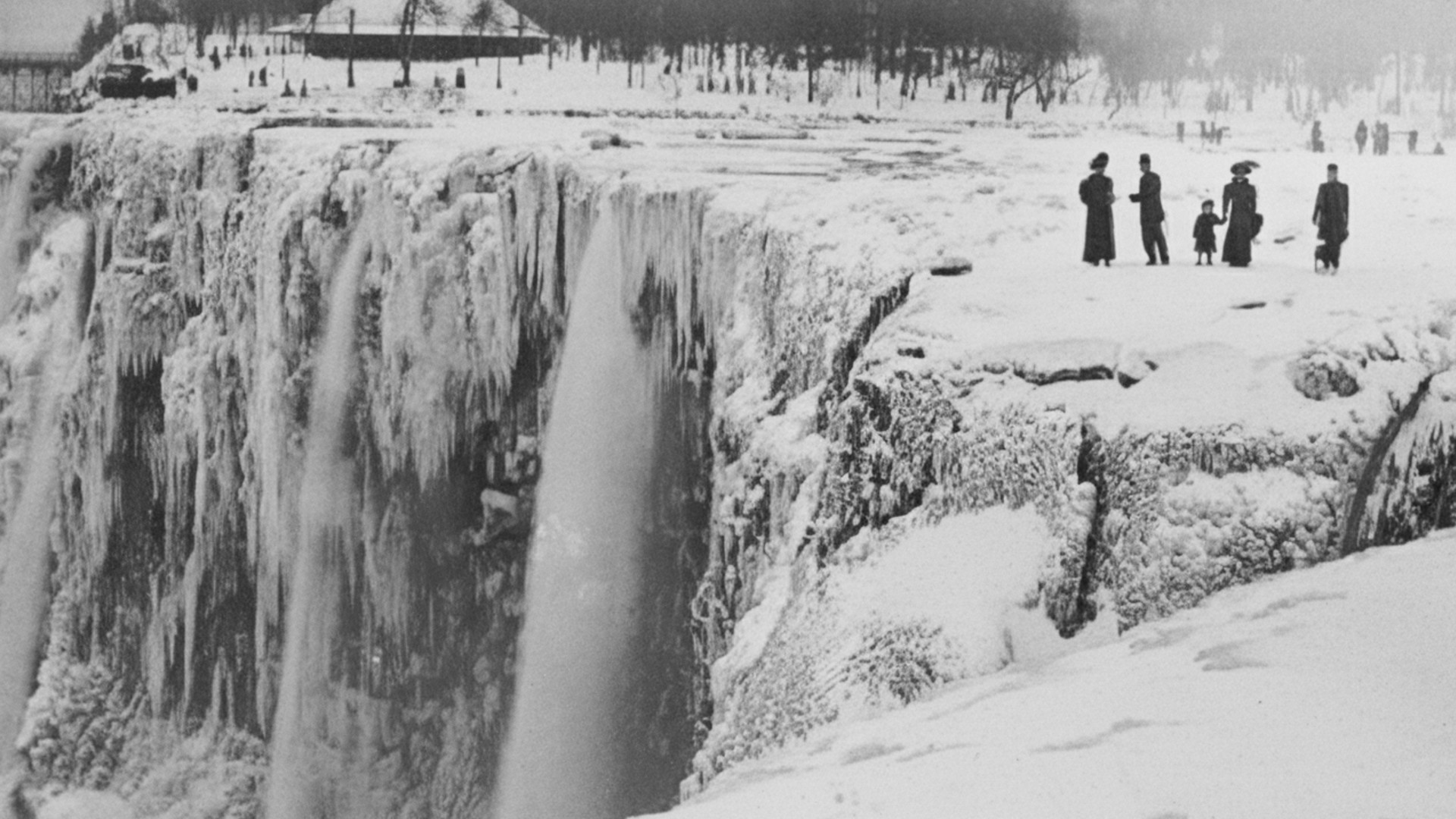
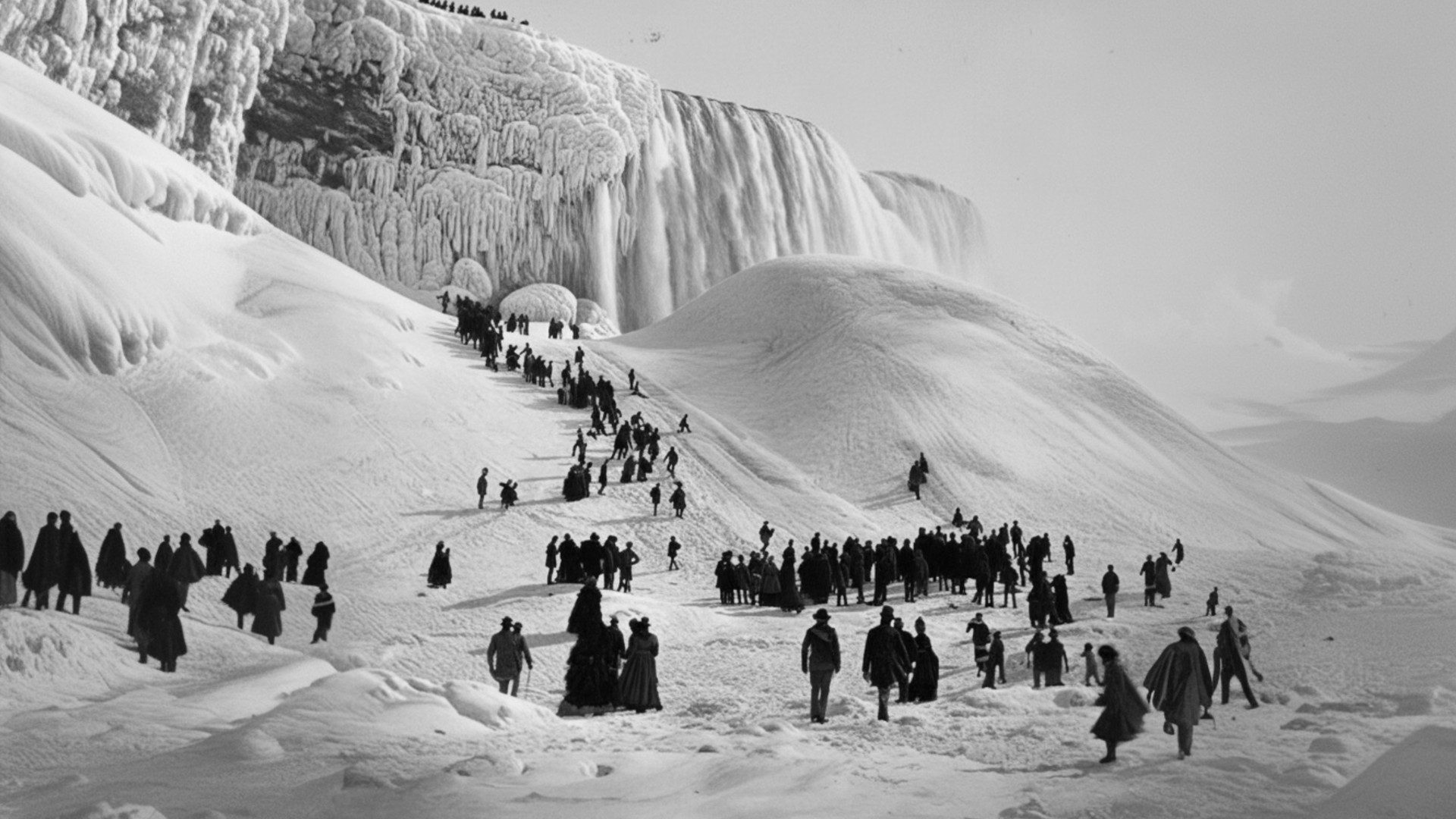
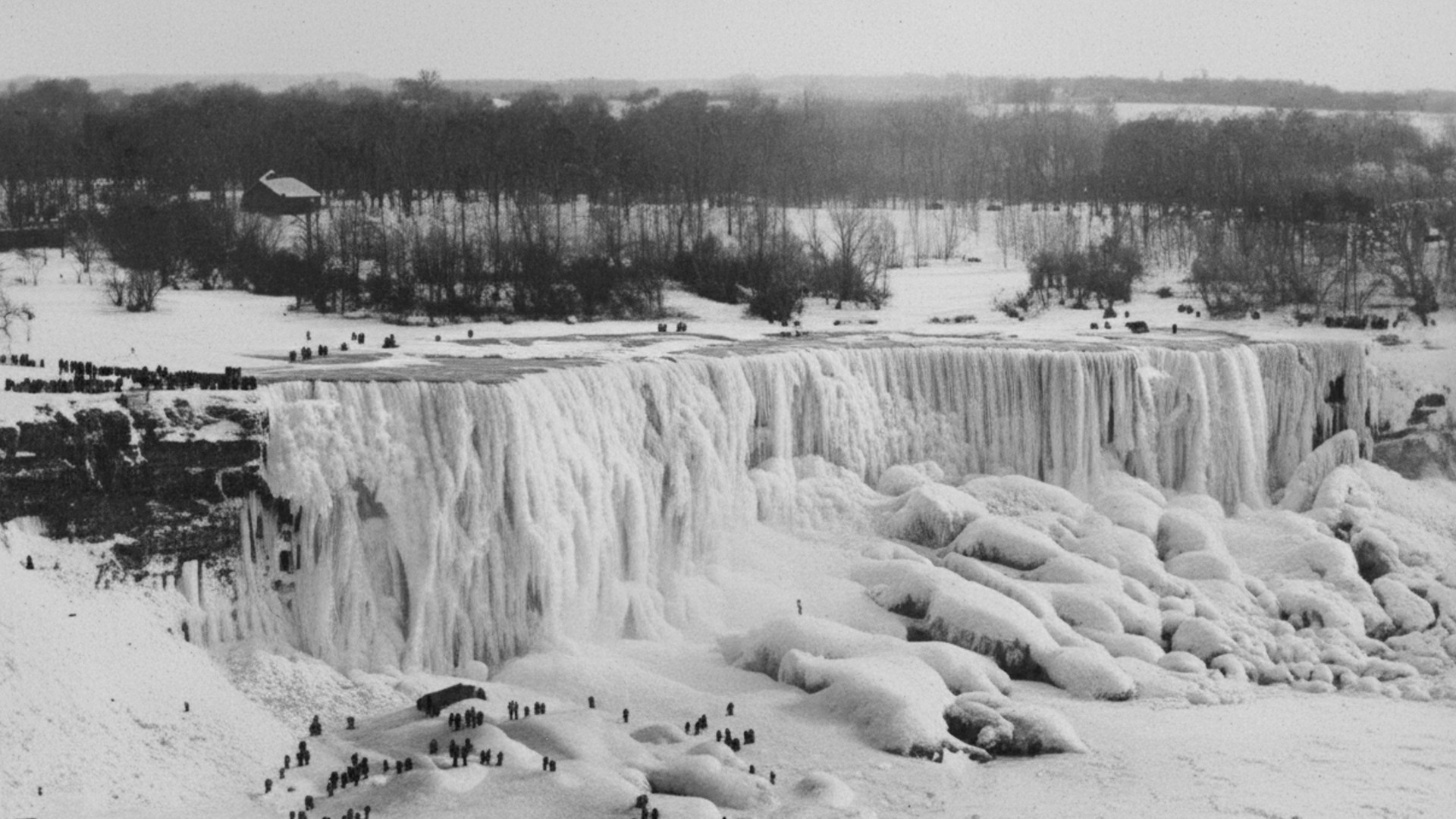
Not everyone is so lucky. Just ask the residents of Buffalo, New York, who woke up on March 29, 1848, to discover that Niagara Falls had stopped flowing entirely.
When Nature Held Its Breath
Just after midnight on that March morning, something impossible happened. The thunderous roar that had echoed through the Niagara gorge for thousands of years fell silent. Mills along the river ground to a halt. Workers rushed to wake their bosses at 5 a.m. with apocalyptic news: the water was gone.
For more than 30 hours, one of the world’s most powerful waterfalls became a trickle. Locals could walk across the rocky riverbed where 750,000 gallons had surged every second. Fish flopped and died in shallow pools. The factories that depended on the river’s power went dark.
People thought the world was ending. Churches held emergency prayer services on March 30, begging for divine intervention to restore the falls. Many residents believed they were witnessing the beginning of the apocalypse.
But the cause wasn’t supernatural. It was ice.
Nature’s Ice Dam
The winter of 1848 had been harsh but unremarkable for upstate New York. When spring arrived, several days of strong southwest winds pushed massive ice floes from Lake Erie toward the mouth of the Niagara River. Millions of tons of ice couldn’t fit through the river’s opening. The ice piled up, creating a natural dam that completely blocked the channel.
The jam was so complete that the river dried up from Buffalo all the way to the cataracts. Contemporary accounts describe the eerie sight of Niagara reduced to “nothing but a mere mill dam.” One newspaper reporter wrote: “In the memory of the oldest inhabitants, never was there so little water running over Niagara’s awful precipice.”
Brave Souls and Boulder Blasters
While some prayed and others panicked, the adventurous saw opportunity. Hundreds of people ventured onto the exposed riverbed to witness something they knew might never happen again. Some rode horses across the dry channel. Others searched for artifacts and relics exposed by the receding water.
The owners of the Maid of the Mist tour boats put their suddenly idle workers to productive use. The crew descended into the riverbed with dynamite and blew up massive boulders that had been navigational hazards for years. It was demolition work that would have been impossible under normal conditions.
The Return
On the night of March 31, the temperature rose to 61°F and the wind shifted. Deep rumblings echoed from the river’s mouth. The ice dam was breaking.
What happened next was described as earth-shaking. A solid wall of water, building up behind the ice for more than a day, burst through the jam and roared down the river. Witnesses said the ground trembled. The water crashed over the falls’ edge with a force greater than normal, as if the river was making up for lost time.
By evening, Niagara was flowing again. The crisis had passed, but the memory would last forever.
Engineering Saves the Day
For more than a century, the ice jam remained a possibility. In January 1963, another massive ice buildup threatened hydroelectric stations on both sides of the border. The U.S. and Canada deployed icebreakers to smash through the ice. One 40-ton icebreaker got stuck on an ice floe and had to be lifted out by crane, loaded onto a flatbed truck, and reinstalled downstream.
That close call prompted action. In 1964, engineers installed an ice boom at the mouth of the Niagara River—22 spans of floating timbers mounted on steel pontoons and anchored to Lake Erie’s bed. The boom is deployed each December (or earlier if the lake temperature drops to 39°F) and prevents ice from jamming the river.
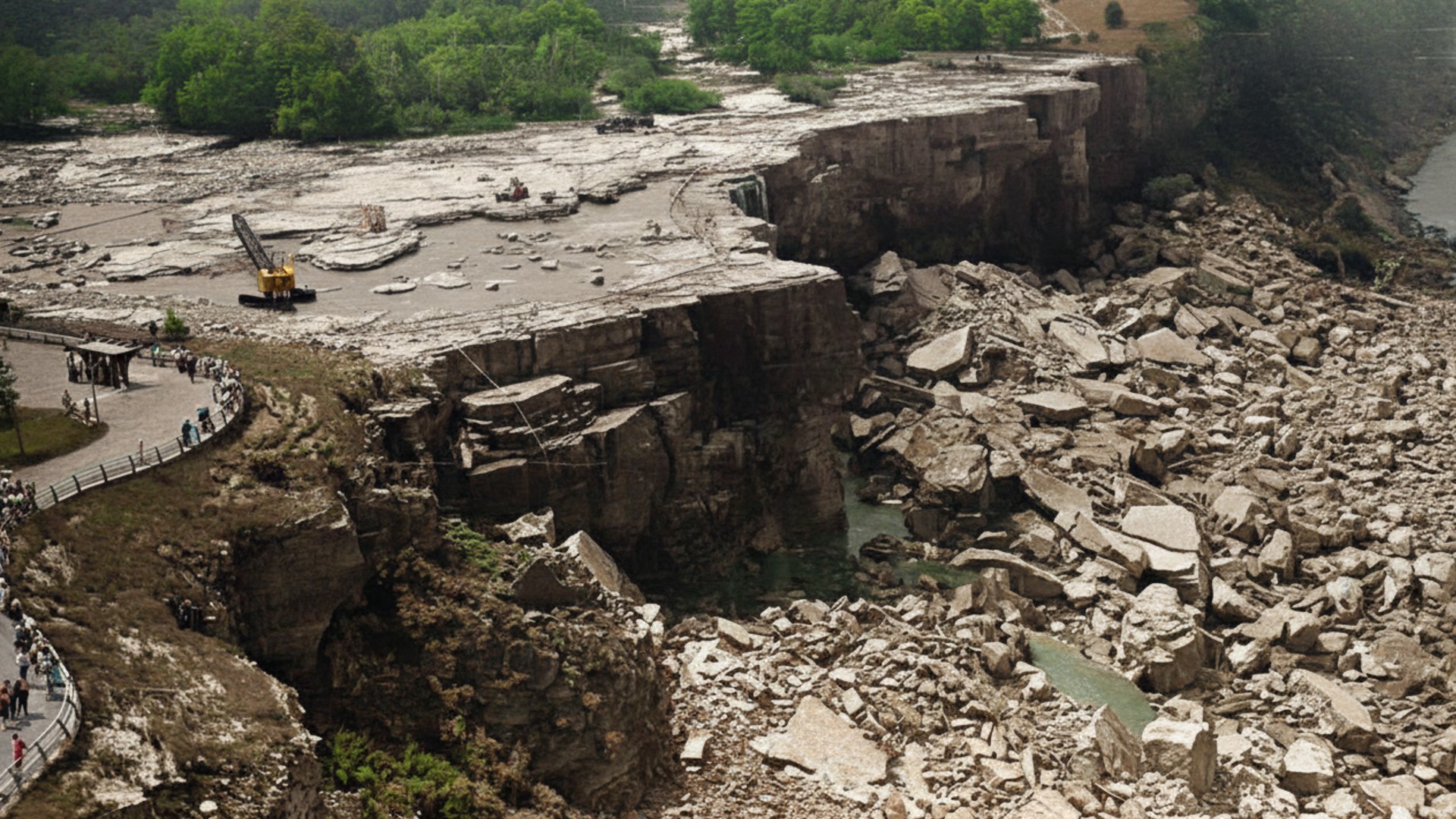
Thanks to this engineering solution, Niagara Falls will likely never run dry again naturally. The only exception was a planned one: in 1969, the U.S. Army Corps of Engineers deliberately stopped the American Falls for five months to study the rock face and remove unstable debris.
Hello Simi Valley
So the next time you’re grumbling about pulling on a light jacket for your morning walk, remember this: Simi Valley’s Mediterranean climate is a blessing. Our average winter low is 43°F. Buffalo’s is 19°F. We get 18 inches of rain a year. They get 95 inches of snow.
Our water comes from carefully managed systems fed by the Santa Susana watershed and California’s aqueducts—no risk of ice jams shutting down the flow. Our businesses don’t close because the rivers freeze. Our power stays on even when it gets “cold.”
We live in a place where winter means putting on a sweater, not praying for the ice to break so our town’s lifeblood can flow again. That 1848 event in Buffalo? It’s a reminder that geography matters. Climate matters. And Simi Valley residents hit the jackpot on both counts.
So bundle up for those 45-degree mornings if you must. Just be grateful you’re not watching Niagara Falls run dry.