It Sounds Crazy — Until You See It. L.A.’s New Air Taxis Are About to Take Off
 Daniel Jordan
“What If It Falls?” Los Angeles Braces For Flying Cars
(CLAIR | Simi Valley, CA) — The first time someone sees one, they don’t pull out a phone or cheer. They stare. A small aircraft, barely making a sound, drifts across the skyline — not a plane, not a helicopter, something in between. It looks too calm, too smooth, almost like a drone carrying people.
Then the questions start. What if it falls? What if something fails and it crashes into a building? What if we fill the sky the way we filled the freeways — with noise, motion, and accidents?
That mix of curiosity and unease sums up how Los Angeles feels right now. The city is getting ready for something it has never done before: letting electric aircraft carry people above its streets. They’re called eVTOLs, short for electric vertical takeoff and landing vehicles, and they’re being built to function like air taxis — quiet, zero-emission, and able to lift off from a parking lot or rooftop.
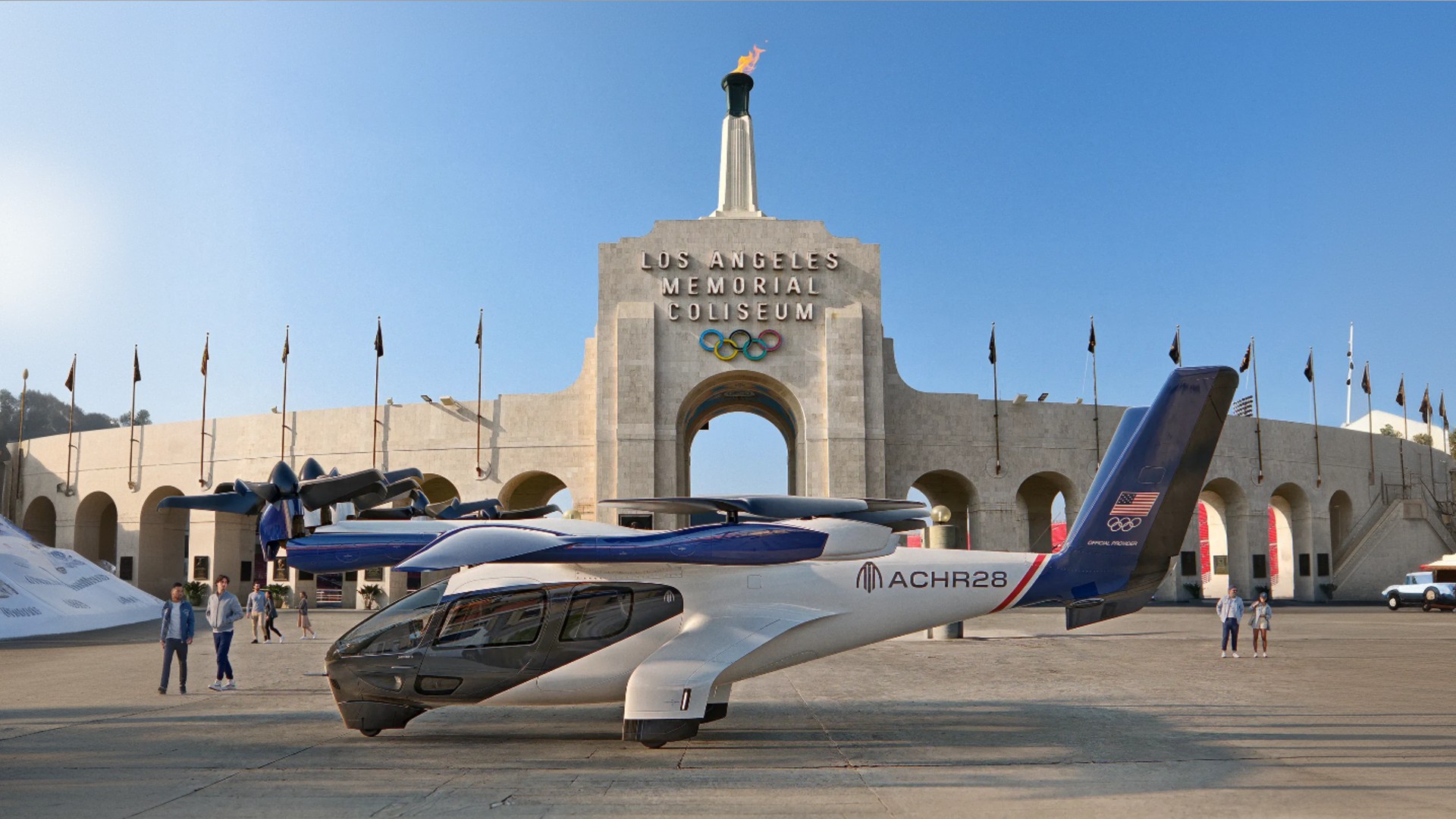
It sounds futuristic, but it’s happening. Two California companies, Archer Aviation and Joby Aviation, are already testing aircraft and working with the city to prepare for commercial service. Archer has been selected as the official air taxi provider for the 2028 Los Angeles Olympic and Paralympic Games, where its four-passenger aircraft, called Midnight, could shuttle people between LAX and downtown in about ten minutes.
The company has taken over Hawthorne Municipal Airport for operations and testing. Joby, another major player, is scouting rooftops and old parking structures across the region to convert into “vertiports” — small hubs where the aircraft can recharge and take off again.
For a city that built its identity on the freeway, this is a radical shift. Los Angeles has been dreaming of escaping traffic for decades. Now it might literally fly over it.
A City That Knows Progress Is Complicated
But even in a city that runs on reinvention, not everyone is ready to call this progress. Ask people on the street what they think, and you hear it all: excitement, doubt, even fear.
“I don’t want those things flying over my house,” one downtown resident said. “If one falls, who’s responsible?” Others are more open but skeptical. “I love the idea,” said a commuter from Sherman Oaks, “but I don’t trust the software. We can barely get self-driving cars right.”
These are fair questions. The technology is still young. The aircraft will need full FAA certification, and every vertiport and flight path must be approved. The city’s Department of Transportation is already working on an Urban Air Mobility Plan to figure out where these new routes can go, how loud they can be, and how to make them as safe as possible.
Flying taxis won’t just need pilots and batteries — they’ll need public trust.
The Case for Trying Anyway
Despite the concerns, the momentum is real. The aircraft have already completed test flights in California, and both Archer and Joby are deep into the federal approval process. They aren’t just chasing headlines; they’re hiring engineers, building infrastructure, and working with airports.
Advocates argue that Los Angeles can’t afford to stand still. Electric air taxis, they say, could help the region meet its climate goals by reducing car emissions and traffic congestion. A 90-minute drive from Santa Monica to Ontario could become a 20-minute flight with no tailpipe pollution. Over time, the routes could connect not just the city but nearby regions — Ventura County, Simi Valley, and the San Fernando Valley — creating a regional network that moves people without adding to gridlock.
City planners see potential for jobs too — in aviation maintenance, battery systems, and construction. The aerospace industry has deep roots in Southern California, and this new wave of electric flight could bring that legacy back in a cleaner, more modern form.
“This isn’t about replacing cars,” said one local transportation analyst. “It’s about giving people back time. That’s what Los Angeles has always wanted — a way to move faster, with less frustration. The air might finally give us that again.”
Between Fear and Flight
Every new technology brings resistance. People once feared elevators, doubted airplanes, and protested freeways. Progress always feels risky when it first takes shape.
Flying taxis may start as luxury rides for a few. But that’s how most technologies begin. If the system proves safe, reliable, and affordable, the market — and public comfort — will grow. And as it does, Los Angeles could become the model for how cities everywhere move beyond congestion.
Still, fear has a place in the story. It keeps engineers cautious and policymakers serious. It reminds the city that progress doesn’t mean racing ahead blindly; it means building trust along the way.
For now, the vision remains simple: a network of small, quiet aircraft that rise from city rooftops and land in minutes at another part of the region. It’s not science fiction anymore. It’s a real plan with real risks — and real potential.