 Daniel Jordan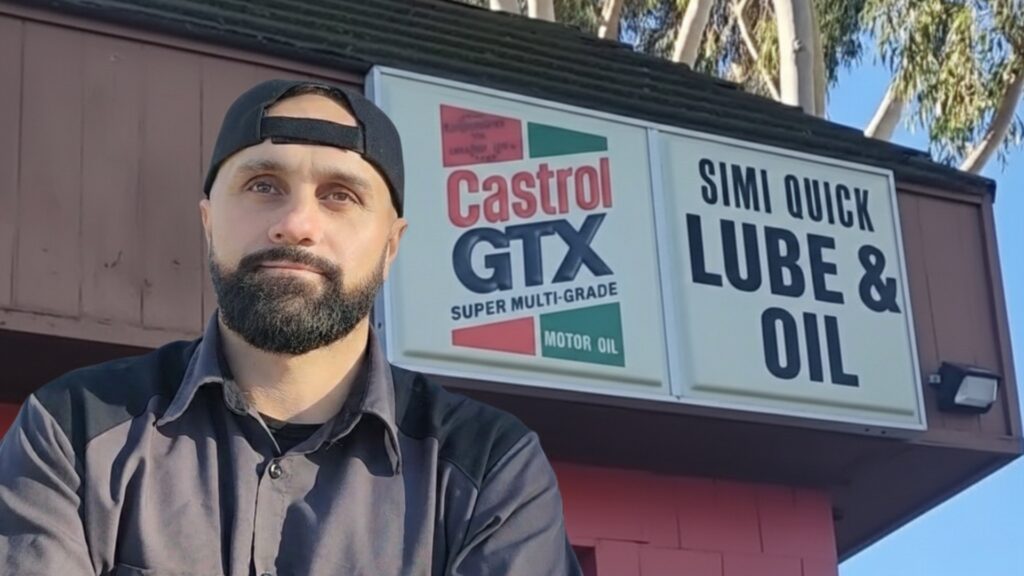
The 20-Minute Decision That Quietly Shapes Simi Valley’s Economy
(CLAIR | Simi Valley, CA) — When most people think of shopping local they picture a small clothing boutique or a family-owned restaurant in a quiet part of town. The idea feels natural for retail. For a cup of coffee. For a birthday gift.
But what about an oil change?
It sounds like an odd place to plant a flag for local business. Oil changes feel transactional. Routine. The kind of errand people want to finish fast and forget. And the big chains have spent decades making that case — familiar logos, standardized pricing, and the comfort of a corporate name behind the work.
However, walk into a locally owned quick lube in Simi Valley and something different happens. You meet the actual owner! He might be under a hood. He might be at the counter. But he is there. And that changes the transaction in ways most people never stop to consider.
In a national chain, the manager rotates. Pricing arrives from headquarters. Policies travel from corporate offices hundreds of miles away. The structure works. But it does not belong to this city. When something goes wrong, the accountability dissolves into a 1-800 number and a customer service script.
It’s about reputation and who can you talk to if there is a problem.
With one of the big chains, here is what that corporate name guarantees: A policy. A phone number. A complaint process that begins after you have already left disappointed.
A local owner does not have that escape. His reputation is not protected by a brand. It is built one car, one neighbor at a time, on streets he drives every day. In a community the size of Simi Valley, that reputation travels fast — in both directions. A job done right earns a loyal customer and a word-of-mouth referral. A job done wrong follows an owner to the grocery store, to his kid’s soccer game, to every interaction he has in this city.
That is not a burden. That is accountability. And it produces a different kind of service culture than any corporate guarantee ever could.
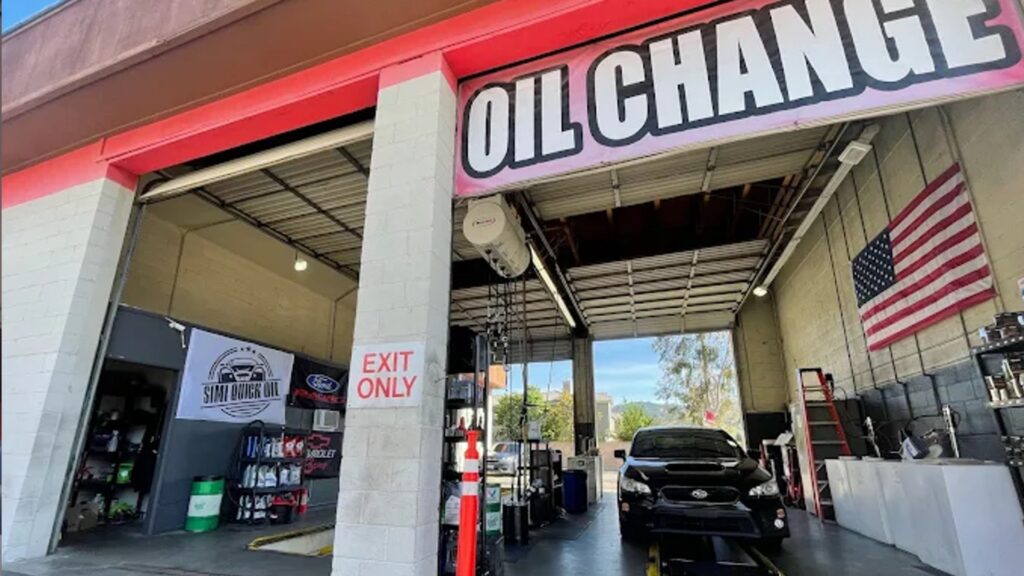
Shops like Simi Quick Oil operate inside that reality. The lease is local. The payroll is local. The owner’s livelihood depends on the trust of the same community he serves. When business is strong, that strength stays in Simi Valley — not in a quarterly report filed somewhere else.
That matters more than most people think.
Small automotive service shops typically employ a handful of technicians. Those jobs support families who live here, spend here, and send their kids to school here. When revenue grows, owners reinvest. They upgrade equipment. They expand service bays. They hire another mechanic. Growth becomes visible. It happens one tool at a time.
When chains invest at scale the independent shops invest with intention. They make decisions faster. They adjust when the market shifts. They build their service around real customers — not national averages pulled from markets nothing like Simi Valley.
Independent shops also compete on relationships in ways chains simply cannot replicate. They remember the truck with 200,000 miles. They know which family drives cross-country every summer. That memory builds loyalty. Loyalty stabilizes revenue. Stability allows reinvestment. The cycle keeps turning.
The broader economics reinforce the case. Locally owned businesses circulate more of each dollar within the community. Owners hire local accountants. They bank locally. They sponsor youth sports teams. They eat at restaurants on the same streets where they work. Those choices compound. They strengthen Simi Valley’s commercial base in ways that never show up in a corporate earnings report — but show up everywhere else.
None of this argues against national chains. They provide consistency and brand recognition that many residents value. But a city’s long-term strength depends on ownership density — more residents who own productive assets inside the city. Each independent shop adds to that foundation. Each successful local operator increases the community’s economic control over its own future.
Simi Quick Oil is one example of that model in action. Full service. Transparent pricing. Name-brand lubricants from Mobil 1, Valvoline, Castrol, Chevron, and Shell. Discounts for military members and seniors. A lowest-price guarantee backed by a local owner who depends on the community’s trust to keep the doors open. That is not a marketing strategy. That is how independent businesses survive — and why they matter.
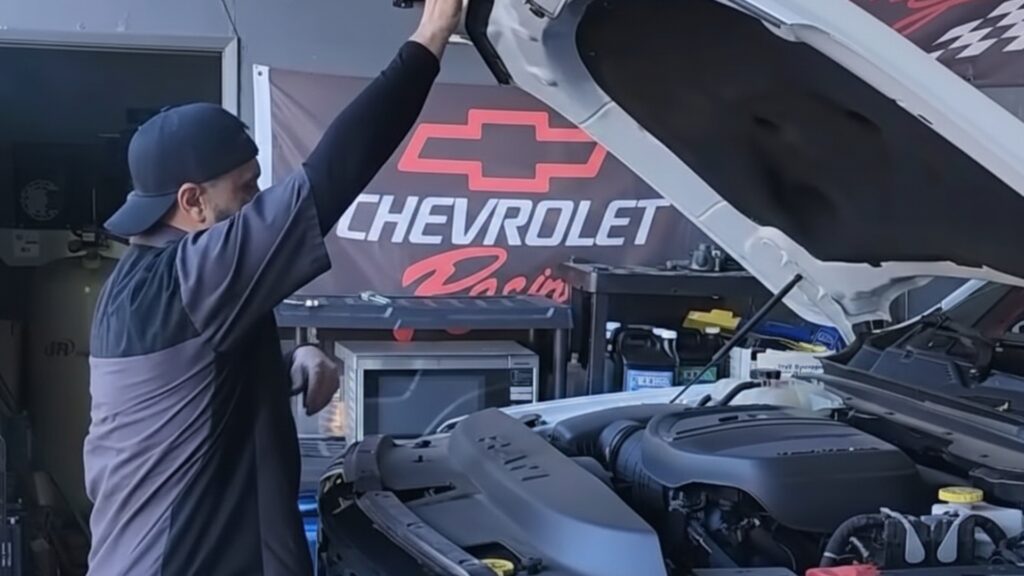
An oil change takes twenty minutes. The decision about where to get one takes about ten seconds. But that decision, made consistently by enough residents, shapes what kind of city Simi Valley becomes.
“Shop local” is easy to embrace when it means supporting a neighborhood bakery or a family-run hardware store. The real test is whether that same instinct carries over to the everyday, unglamorous transactions — the oil change, the tire rotation, the brake inspection. Those are the moments when a local owner’s reputation is either earned or lost. And in Simi Valley, that reputation is worth more than any corporate guarantee printed on a receipt.
Progress does not always arrive through large projects or ribbon cuttings. Sometimes it builds through durable small enterprises that open the bay door every morning and serve the same neighbors year after year. Quietly. Reliably. Without fanfare.
And that steady motion builds more than most people think.